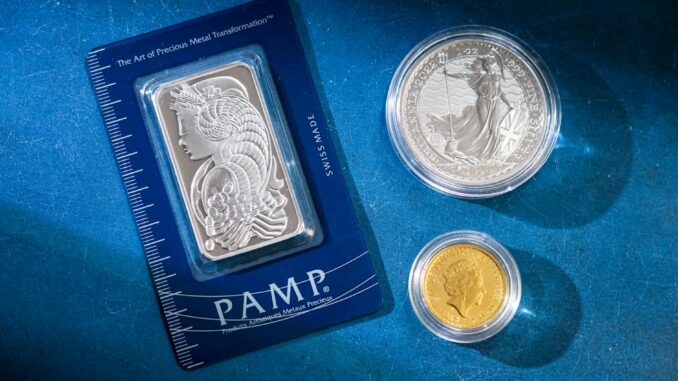
Photo by merwak. raw on Pexels
Market Overview
In a significant shift in global finance, gold has recently overtaken U.S. Treasuries as the most favored reserve asset among central banks worldwide. This development, reported on June 2, 2026, reflects changing attitudes toward risk and asset stability in an increasingly uncertain economic environment. The implications of this transition are broad, affecting everything from international monetary policy to everyday financial practices.
Historically, U.S. Treasuries have been considered the safest investment on the planet, largely due to the creditworthiness of the United States government. However, as central banks reassess their portfolios amidst rising inflation and geopolitical tensions, gold’s allure as a hedge against economic instability has surged. This marks a notable change in the preferences of monetary authorities around the globe, as they navigate a complex landscape of economic challenges.
What Is Driving This
The shift towards gold as the primary reserve asset can be attributed to several interrelated factors. First and foremost, the persistent inflationary pressures affecting many economies have prompted central banks to seek more stable assets. As inflation rates climb, the purchasing power of fiat currencies, including the U.S. dollar, tends to diminish. Gold, often described as a safe haven during turbulent times, provides a hedge against this erosion of value.
Moreover, geopolitical tensions, particularly in regions like Eastern Europe and Asia, have heightened concerns about the stability of financial markets. Central banks are increasingly wary of relying solely on U.S. debt instruments, which could be influenced by political decisions or economic downturns in the U.S. Thus, many are diversifying their reserves by incorporating gold into their portfolios. This strategic pivot reflects a broader desire for financial security in an unpredictable global environment.
Economic Context
The economic backdrop of this shift is characterized by a confluence of rising inflation, supply chain disruptions, and geopolitical instability. In the aftermath of the COVID-19 pandemic, many economies have experienced a surge in prices across various sectors, prompting central banks to adjust their monetary policies. For instance, the Federal Reserve has been actively engaging in interest rate hikes to combat inflation, which has led to increased volatility in the bond markets.
As central banks around the world grapple with these economic realities, the appeal of gold becomes clearer. Unlike paper currencies and bonds, gold has intrinsic value and is universally recognized. This quality positions it as a more secure asset during times of economic uncertainty, making it a logical choice for central banks looking to protect their reserves.
How This Affects Everyday People
The implications of gold’s ascendancy over U.S. Treasuries extend beyond the walls of central banks; they can affect everyday individuals as well. For consumers, a stronger demand for gold can lead to increases in jewelry prices, as well as higher costs for other gold-related products. Furthermore, as central banks buy more gold, this can lead to upward pressure on gold prices in the global market.
For investors, this shift may signal a re-evaluation of asset allocation strategies. Those who typically rely on U.S. Treasuries for stability might find themselves needing to diversify further into commodities like gold to mitigate risk. This evolution in asset preferences could also influence the broader stock market, as sectors tied to precious metals may see increased investment.
What Investors and Analysts Are Watching
As central banks continue to adjust their asset portfolios, both investors and analysts are closely monitoring several key indicators. One major area of focus is the price of gold itself, which has historically been volatile but is now seen as a critical barometer of economic health. Analysts are paying attention to how central banks’ purchases of gold impact its price and overall market dynamics.
Additionally, the actions of the Federal Reserve and other major central banks remain under scrutiny. Interest rate policies, inflation metrics, and economic growth projections will all play pivotal roles in shaping market sentiment. Investors are keenly aware that any shifts in these areas could either bolster or diminish the appeal of gold as a reserve asset.
What It Means
The transition from U.S. Treasuries to gold as the primary reserve asset for central banks signifies a transformative moment in global finance. It underscores a growing recognition of the limitations of fiat currencies, particularly in times of economic distress. As central banks increasingly turn to gold, the implications for monetary policy, inflation, and geopolitical stability could be profound.
In the coming months, it will be essential to watch how this trend evolves, particularly as countries navigate the ongoing challenges of inflation and economic recovery. The interplay between gold prices, central bank policies, and global economic conditions will be crucial in determining the future landscape of financial markets. Investors and consumers alike should remain informed as the dynamics of reserve assets continue to evolve.
Editorial Note: This article was produced with AI assistance and reviewed by the Celloraa editorial team for accuracy and clarity. It is intended for informational purposes only. Read our Editorial Policy.
Leave a Reply