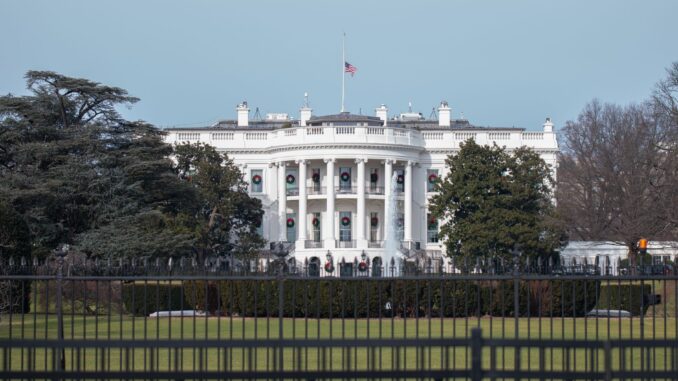
Photo by Sachith Ravishka Kodikara on Pexels
What Happened
In a significant political shift, the recently announced cessation of the $1.8 billion fund, originally established under the Trump administration to compensate individuals deemed to have been unfairly targeted for political reasons, has raised eyebrows across the political spectrum. This fund, often referred to as the “anti-weaponisation fund,” was intended to provide financial relief to those who alleged they were unjustly persecuted by political adversaries. The decision to end the fund marks a pivotal moment in the Republican Party’s ongoing struggle to redefine its narrative and respond to current national issues.
The fund’s termination was publicly acknowledged on June 3, 2026, signaling a departure from the previous administration’s strategies aimed at combating claims of political weaponization. Critics of the fund argued that it was more of a political tool than a genuine effort to address injustices, a sentiment that has only intensified as the political landscape continues to evolve. Supporters of the initiative, however, have expressed disappointment, viewing its end as a retreat from an important commitment to protect individuals from perceived political biases.
The Political and Policy Landscape
The dissolution of the anti-weaponisation fund illustrates the broader challenges facing the Republican Party as it navigates a landscape increasingly defined by partisanship and political division. Following the Trump era, the GOP is grappling with how to maintain its base while simultaneously appealing to a wider audience. The decision to terminate the fund may reflect a strategy aimed at consolidating support among conservative voters who are skeptical of perceived government overreach and political favoritism.
Moreover, the political implications extend beyond party dynamics. The end of this fund raises questions about how political grievances are addressed in the United States. In recent years, there has been a growing concern regarding the use of government resources and policies to target individuals based on their political affiliations. By eliminating this fund, the Republican Party appears to be signaling a desire to distance itself from past controversies while also potentially avoiding further scrutiny over the allocation of public funds.
How This Affects Americans
The impact of this decision on American citizens is multifaceted. For those who believed they were wrongfully targeted, the loss of financial support could mean significant hardship. The fund was seen by some as a mechanism to address grievances that are often overlooked in a polarized political climate. Without this type of support, individuals who feel victimized by political actions may find themselves without recourse, leading to increased feelings of disenfranchisement among certain demographics.
Additionally, the broader implications for public policy cannot be ignored. The termination of the fund may set a precedent for how future administrations approach allegations of political misconduct. If the prevailing sentiment is that such grievances should not be financially supported by the government, there could be a chilling effect on individuals’ willingness to come forward with claims of unjust treatment. This could inadvertently stifle political discourse and limit avenues for accountability.
Reactions and Responses
Reactions to the fund’s termination have been varied, with strong opinions emerging from both proponents and opponents of the initiative. Supporters of the Trump administration’s approach have expressed disappointment, arguing that the fund was a necessary safeguard for those facing political persecution. They contend that this move represents a retreat from a commitment to protect civil liberties and ensure justice for those who have been wronged.
On the other hand, critics of the fund have welcomed its dissolution, arguing that it was a misuse of public resources designed to serve a political agenda rather than genuine justice. Many observers highlight the need for a more systematic and impartial approach to addressing claims of political targeting—one that does not rely on discretionary funding that could be perceived as partisan. This ongoing debate underscores the complexities of navigating political grievances in a highly charged environment.
What Comes Next
As the Republican Party continues to navigate this evolving political landscape, the cessation of the anti-weaponisation fund is likely to prompt further debate regarding how political grievances are handled in the United States. Moving forward, it will be crucial to monitor how both parties respond to allegations of political targeting and whether new mechanisms will emerge to address these concerns within a framework that promotes fairness and transparency.
In the coming months, political analysts will be watching closely for signs of how this decision impacts the GOP’s efforts to consolidate support ahead of upcoming elections. Additionally, the implications for civil liberties and political accountability will remain at the forefront of national discussions, as citizens increasingly demand action on issues related to political persecution and justice. The end of the anti-weaponisation fund may just be the beginning of a broader conversation about the intersection of politics, justice, and the responsibility of government in addressing the grievances of its citizens.
Editorial Note: This article was produced with AI assistance and reviewed by the Celloraa editorial team for accuracy and clarity. It is intended for informational purposes only. Read our Editorial Policy.
Leave a Reply