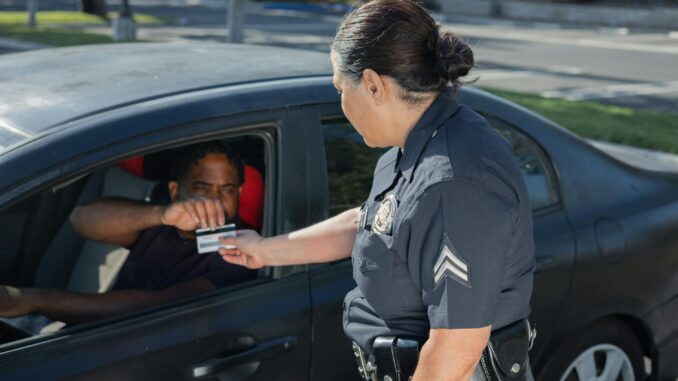
Photo by Kindel Media on Pexels
What Happened
Sean Reifel, a rookie police officer from an unspecified U.S. town, has become a topic of heated discussion after being cast in the popular reality television show, Love Island US. His selection for the series comes less than a year after he joined the local police force, leading to a backlash from community members and local leaders. The juxtaposition of his role as a public servant and a participant in a reality dating show raises questions about professionalism and public perception of law enforcement.
This situation has ignited a debate concerning the appropriateness of police officers engaging in such entertainment formats, particularly in an age where scrutiny of law enforcement is at an all-time high. Critics argue that such participation undermines the seriousness of police work and affects the trust between officers and the communities they serve.
The Political and Policy Landscape
The backdrop of Reifel’s decision to join Love Island US is set against a national conversation about policing in America. In recent years, the U.S. has seen a significant rise in movements advocating for police reform, transparency, and accountability. These discussions have been fueled by various incidents highlighting issues of police misconduct and systemic racism within law enforcement agencies.
Reifel’s participation in a reality show can be viewed through this lens, as it raises concerns about the values being promoted by those in positions of authority. Some policymakers and community advocates argue that officers should portray a level of decorum that reflects the seriousness of their duties. This incident could potentially lead to discussions at both local and national levels about setting guidelines or expectations for police conduct outside of their official duties.
How This Affects Americans
The implications of Reifel’s participation in Love Island US resonate beyond his community. For American citizens, especially those in active dialogue about police reform, such actions by law enforcement officers can reinforce existing stereotypes and biases. The public’s perception of police is crucial for community relations, and incidents like this can erode trust at a time when it is desperately needed.
Furthermore, this event may influence how police departments across the country address the personal lives of their officers. If more officers choose to pursue opportunities in entertainment, it could provoke a reevaluation of departmental policies regarding outside engagements. Ultimately, this raises questions about how police officers balance their personal identities with their professional responsibilities, especially in a climate where public faith in law enforcement is vital.
Reactions and Responses
The backlash against Reifel has been swift and vocal. Community members have expressed their discontent on social media platforms, discussing how a police officer participating in such a show may reflect poorly on the police force as a whole. Some local leaders have joined the conversation, emphasizing the need for police officers to be role models in their communities.
Supporters of Reifel, however, argue that participating in reality television should not automatically disqualify him from serving his community as a police officer. They contend that individuals are entitled to pursue their interests and aspirations, regardless of their professions. This divide highlights the complexities of modern policing, where officers are increasingly seen as both public servants and private citizens with personal lives.
What Comes Next
As the situation unfolds, it will be essential to monitor how Reifel’s participation in Love Island US affects not only his career but also the wider implications for police-community relations. There may be calls for local law enforcement agencies to clarify or revise their policies regarding the participation of officers in public entertainment. Additionally, public discussions may emerge regarding the expectations placed on law enforcement officers and how they can effectively engage with their communities while maintaining professionalism.
This incident could also serve as a catalyst for further dialogue about the representation of police in media and popular culture. As reality television continues to shape public perceptions, the intersection between entertainment and law enforcement will likely remain a contentious topic in American society. Observers will be keen to see how Reifel’s story evolves, particularly in terms of community engagement and the potential impact on future police policies.
Editorial Note: This article was produced with AI assistance and reviewed by the Celloraa editorial team for accuracy and clarity. It is intended for informational purposes only. Read our Editorial Policy.
Leave a Reply