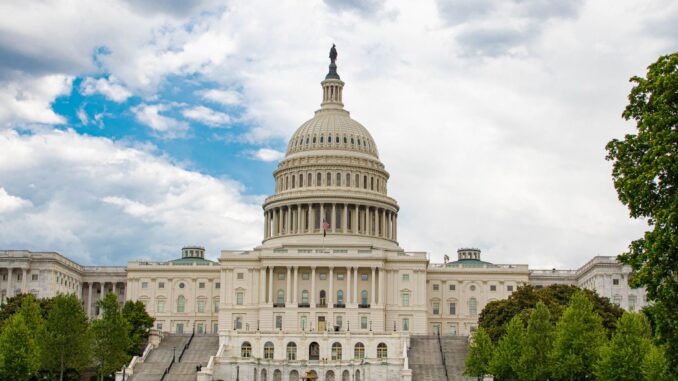
Photo by Paula Nardini on Pexels
What Happened
On June 10, 2026, Bill Gates, the co-founder of Microsoft, is set to testify before Congress regarding his past associations with Jeffrey Epstein, the late financier and convicted sex offender. This testimony comes in the wake of increased scrutiny over Gates’ relationships with Epstein and the broader implications of those ties. Gates has consistently denied any wrongdoing or knowledge of Epstein’s illegal activities, asserting that his interactions with Epstein were purely philanthropic in nature.
The focus of Gates’ testimony will be to address three critical questions that have emerged in recent discussions around his connections to Epstein. These inquiries seek to clarify the nature and extent of their relationship, especially in light of Epstein’s notorious background. The upcoming hearing is highly anticipated, not only due to Gates’ prominence as a tech mogul but also because it touches upon issues of accountability and transparency among influential figures in society.
The Political and Policy Landscape
The backdrop for Gates’ testimony involves a larger conversation about accountability in both the tech sector and among high-profile individuals who have faced allegations of misconduct. In recent years, Congress has increasingly focused on holding powerful figures responsible for their actions, particularly in cases involving sexual misconduct and exploitation. Gates’ testimony could serve as a litmus test for how seriously Congress is willing to tackle these issues, especially in the context of powerful men who often operate in elite circles.
Gates’ situation is emblematic of broader concerns regarding the influence of wealthy individuals on policy and governance. Advocacy groups have called for stricter regulations and greater transparency regarding the relationships and networks that these individuals maintain. Gates’ testimony could catalyze discussions about potential reforms in lobbying practices and philanthropic giving, particularly those that involve problematic associations.
How This Affects Americans
For the American public, Gates’ testimony raises significant questions about trust and accountability among those who wield considerable influence over technology, philanthropy, and public policy. As a prominent figure in the tech industry, Gates has played a significant role in shaping modern computing and global health initiatives through his philanthropic efforts. However, his association with Epstein poses a challenge to the credibility of his philanthropic work and raises concerns about the motivations behind such relationships.
The implications of this testimony extend to how citizens perceive powerful individuals in positions of authority. The outcome of the hearing could affect public confidence in philanthropic organizations and their leaders, particularly as Americans grapple with issues ranging from income inequality to the ethical responsibilities of the wealthy. If Gates is unable to clearly distance himself from Epstein’s activities, it could lead to a broader skepticism surrounding the intentions of other major philanthropic figures.
Reactions and Responses
The upcoming congressional hearing has already sparked a range of reactions from various stakeholders. Advocacy groups focused on child protection and women’s rights have welcomed the opportunity for Gates to clarify his relationship with Epstein, viewing it as a chance to highlight the need for accountability among powerful men. These organizations emphasize that transparency is crucial in ensuring that high-profile individuals are held to the same standards as the general population.
Conversely, supporters of Gates have defended him, emphasizing that he has repeatedly denied any wrongdoing and that his work in philanthropy has made significant positive contributions to society. Some argue that the scrutiny he faces is disproportionate, given that many public figures may have had interactions with Epstein due to his extensive connections across various sectors.
What Comes Next
As Gates prepares to testify, all eyes will be on Congress to see how they handle the complex issues surrounding his testimony. The questions posed to Gates may not only reveal insights into his relationship with Epstein but also highlight the challenges that lawmakers face in regulating the interactions between powerful individuals and those with problematic pasts.
In the aftermath of the hearing, it is essential for the public and policymakers to consider what this means for the future of accountability in both the tech industry and philanthropic sectors. Will Congress take further action to ensure that powerful figures are held accountable for their associations? And how will this influence public trust in philanthropic efforts? The answers to these questions could shape the discourse around ethics and transparency in American politics and civil society going forward.
Editorial Note: This article was produced with AI assistance and reviewed by the Celloraa editorial team for accuracy and clarity. It is intended for informational purposes only. Read our Editorial Policy.
Leave a Reply