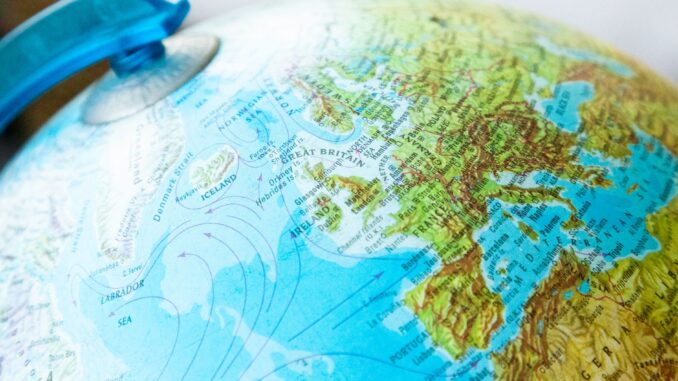
Photo by Luke Greenwood 💫 on Pexels
El Niño’s Arrival Promises Global Weather Challenges in 2026
The 2026 El Niño event is officially underway, a development that scientists warn could usher in a series of extreme weather events and heightened global temperatures. This announcement from U.S. scientists has set off alarms globally, as the phenomenon is known for its widespread climatic impacts. Understanding the stakes involves recognizing how El Niño disrupts weather patterns and affects economies across continents.
Unpacking the Mechanism: How El Niño Alters Global Weather
El Niño is a complex climatic phenomenon characterized by warming sea surface temperatures in the central and eastern Pacific Ocean. This anomaly disrupts atmospheric circulation and alters weather patterns worldwide. The phenomenon typically results in increased rainfall in the southern United States and Peru, while Southeast Asia and Australia often suffer from severe droughts. These shifts are driven by changes in the Walker Circulation, a large-scale system of wind patterns across the equatorial Pacific.
Understanding El Niño involves recognizing its ability to influence the jet streams, which are fast-moving air currents high in the atmosphere. These changes can result in unusual weather patterns, such as warmer winters in parts of North America and cooler, wetter conditions in other regions. The ramifications for agriculture, water resources, and natural ecosystems are profound, making accurate predictions and preparedness essential.
The Historical Context: Lessons from Past El Niño Events
Historically, significant El Niño events have left a mark on global weather and socio-economic conditions. The 1997-1998 El Niño, one of the strongest on record, caused widespread flooding, droughts, and fires, leading to considerable human and economic losses. The World Meteorological Organization noted that these impacts included food shortages, increased disease outbreaks, and billions of dollars in damages globally.
More recently, the 2015-2016 El Niño event followed a similar pattern, exacerbating droughts in Southern Africa and Central America, while contributing to record high global temperatures. These historical precedents underscore El Niño’s potential to disrupt food security, amplify health risks, and challenge infrastructure resilience. Policymakers and scientists use these past events to refine predictive models and response strategies.
Key Players and Their Competing Interests
Various stakeholders are keenly observing the development of the 2026 El Niño. Governments in vulnerable regions must balance immediate disaster preparedness with long-term climate adaptation strategies. For instance, countries like Indonesia and the Philippines are likely to brace for drought conditions, affecting rice and palm oil production, while Pacific islands prepare for intensified cyclones.
International agencies, such as the United Nations and the World Bank, play crucial roles in coordinating responses and funding adaptation measures. Meanwhile, climate scientists and meteorologists strive to refine models to provide more accurate forecasts, aiding in the timely dissemination of information. The agricultural sector, particularly in the developing world, faces the dual challenge of mitigating crop losses and ensuring food security.
Global and Regional Implications: A Call for Preparedness
The onset of El Niño in 2026 could exacerbate ongoing climatic shifts, posing significant challenges to global efforts to combat climate change. Increased temperatures may accelerate glacial melt and sea-level rise, further threatening coastal communities. Additionally, extreme weather could strain global supply chains already vulnerable from geopolitical tensions and the lingering effects of the COVID-19 pandemic.
Regionally, the impact of El Niño will vary. South American countries may experience flooding that disrupts agriculture and infrastructure. In contrast, parts of Africa and Asia could face water scarcity, affecting millions of livelihoods. The varying impacts necessitate tailored, region-specific strategies and international cooperation to mitigate and adapt to these challenges.
Looking Ahead: What Informed Observers Should Monitor
As the 2026 El Niño unfolds, informed observers should closely monitor global weather patterns, particularly the Pacific Ocean’s sea surface temperatures and atmospheric circulation changes. The efforts of international bodies in coordinating disaster response and adaptation strategies will be critical in mitigating El Niño’s impacts. Additionally, the intersection of El Niño with broader climate change trends will be a focal point for scientific research and policy discussions.
Continued advancements in climate modeling and forecasting technologies will play essential roles in improving preparedness and response. Observers should also watch for innovations in agricultural practices and water management that could buffer against El Niño-induced disruptions. Ultimately, the 2026 El Niño serves as a reminder of the intricate link between natural phenomena and human livelihoods, underscoring the need for resilient global systems.
Editorial Note: This article was produced with AI assistance and reviewed by the Celloraa editorial team for accuracy and clarity.
It is intended for informational purposes only.
Read our Editorial Policy.
Leave a Reply