
In a significant milestone for private space exploration, SpaceX, the aerospace manufacturer and space transportation company founded by Elon Musk, has initiated public trading from its Texas base. This event represents a pivotal moment in the broader trend of private companies moving into the public sphere, reshaping how space ventures are financed and executed.
The Rise of Private Space Ventures
The recent years have seen a remarkable surge in private investment in space exploration, driven by visionary entrepreneurs like Elon Musk. SpaceX’s decision to go public follows a trajectory that began with a bold gamble on reusability and cost reduction in space travel. When SpaceX launched its first rocket, the Falcon 1, Musk estimated the company’s chances of success to be less than 10%. Today, SpaceX not only boasts a robust portfolio of successful missions but also the largest IPO ever recorded, highlighting a growing confidence in private space enterprises.
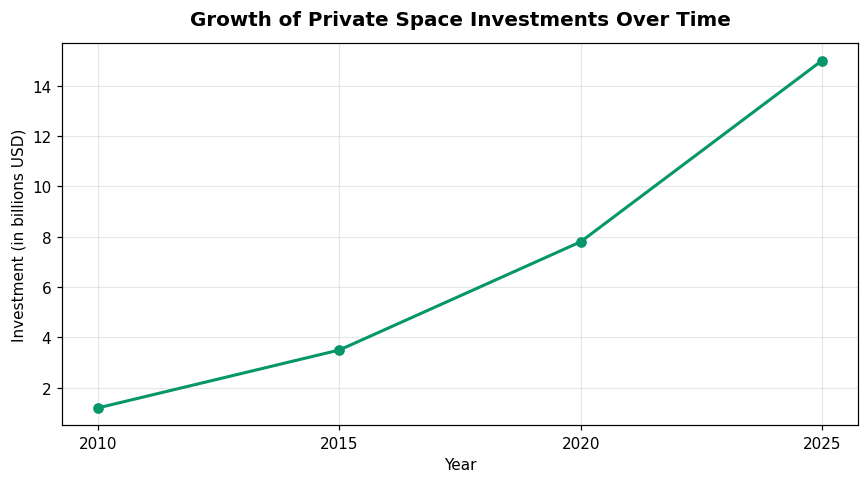
This IPO is not an isolated event but part of a broader movement where private companies are increasingly stepping into roles traditionally held by government agencies like NASA. The commercialization of space has opened new avenues for innovation, competition, and collaboration. As a result, the landscape of space travel is rapidly evolving, with private companies now competing for lucrative contracts and partnerships with national and international space agencies. NASA itself has been a key partner in this transition, often collaborating with private firms to advance its own missions.
Policy and Institutional Context
The policy environment surrounding space exploration has been evolving to accommodate this shift towards privatization. The U.S. government has been instrumental in fostering an ecosystem where private space companies can thrive. Policies such as the Commercial Space Launch Act and the Space Act Agreements have laid the groundwork for private companies like SpaceX to transition from ambitious startups to influential industry leaders.
Internationally, similar trends are emerging. Countries like Luxembourg and the United Arab Emirates are establishing legal frameworks to support space mining and exploration. This institutional support is crucial for private companies as they navigate complex regulatory environments and aim to achieve ambitious goals, from satellite deployment to manned missions to Mars.
Impact on Americans’ Daily Lives
While SpaceX’s IPO might seem distant from ordinary American life, its implications are far-reaching. The company’s advancements in satellite technology have already begun to influence global communication networks. With the Starlink project, SpaceX provides internet access to remote and underserved regions, aiming to bridge the digital divide and enhance connectivity worldwide.
Moreover, the success of SpaceX has sparked greater interest and investment in STEM education, inspiring a new generation to pursue careers in science and engineering. As private space companies continue to push the boundaries of technology, their innovations could lead to new industries and job opportunities, fundamentally altering the economic landscape.
Stakeholder Reactions and Perspectives
The reaction to SpaceX’s IPO spans a spectrum of stakeholders, each with their own perspectives. Investors have shown keen interest, viewing the IPO as a lucrative opportunity to participate in the burgeoning space economy. Analysts point to SpaceX’s track record of innovation and successful missions as indicators of potential growth, despite inherent risks in the space industry.
Industry competitors, including established aerospace giants like Boeing and Lockheed Martin, are closely monitoring SpaceX’s public debut. These companies face increased pressure to innovate and reduce costs to remain competitive. Meanwhile, policymakers and environmentalists express cautious optimism, recognizing the potential benefits of privatized space exploration while advocating for sustainable and responsible practices.
The Future of SpaceX and Private Space Exploration
As SpaceX embarks on its journey as a publicly traded company, it sets the stage for the next chapter in private space exploration. The success of this IPO could encourage other private space firms to follow suit, leading to a more diverse and competitive industry landscape. This increased competition could drive further advancements in technology and cost-efficiency, making space more accessible to a broader range of players.
Looking ahead, SpaceX’s public trading status may also accelerate its ambitious plans, such as establishing a human settlement on Mars and expanding its global satellite internet service. The company’s ability to raise capital through public markets will be crucial in achieving these long-term objectives, potentially transforming human space exploration from science fiction to reality.
Editorial Note: This article was produced with AI assistance and reviewed by the Celloraa editorial team for accuracy and clarity. It is intended for informational purposes only.
Read our Editorial Policy.
Leave a Reply