
Photo by DΛVΞ GΛRCIΛ on Pexels
The Financial Crossroads: To Retire or Continue Working?
The decision to retire early, especially with substantial savings, is a complex one that intertwines financial security with personal ambition. For our protagonist, a 50-year-old with $6.5 million in savings and a $200,000 annual salary, this decision is particularly nuanced. While the allure of focusing solely on trading activities is tempting, the stability provided by a steady income cannot be dismissed lightly. The central tension here lies between the comfort of continued earnings and the freedom that comes with early retirement.
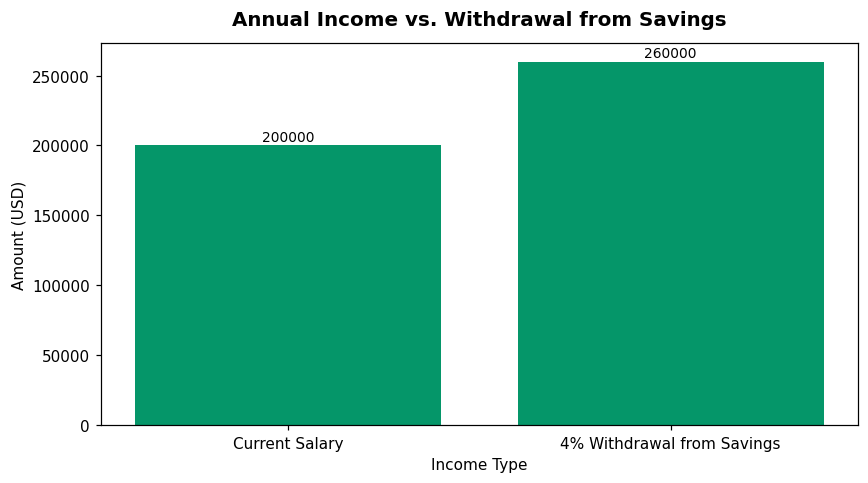
At the heart of this dilemma is the question of sufficiency: Is $6.5 million enough to sustain a comfortable lifestyle for possibly 30 or more years of retirement? Financial planners often use the 4% rule as a guideline, suggesting that withdrawing 4% of your retirement savings annually is sustainable. In this case, that equates to $260,000 per year, which is more than the current salary, but without the safety net of regular employment income.
Understanding the Real Drivers Behind the Decision
Beyond the numbers, personal motivations and market conditions play pivotal roles. The individual in question is not merely seeking leisure but is considering a shift to full-time trading. This decision hinges on the perceived opportunity within financial markets and the individual’s confidence in their trading acumen. The financial markets, known for their volatility, present both an opportunity and a risk. The potential for higher returns through trading exists, yet so does the possibility of significant losses.
Moreover, the psychological impact of leaving a structured work environment can be profound. Work provides more than just financial benefits; it offers social connections, a sense of purpose, and daily structure. Transitioning to a life centered around trading could lead to isolation and increased stress, particularly if market conditions become unfavorable.
Broader Economic Context: A Market in Flux
The broader economic environment is another crucial factor in this retirement decision. Currently, global financial markets are characterized by uncertainty, influenced by factors such as geopolitical tensions, inflationary pressures, and fluctuating interest rates. The Federal Reserve’s monetary policy, for instance, affects market dynamics significantly, influencing everything from stock prices to the cost of borrowing.
For a would-be retiree considering trading, these macroeconomic variables can dictate the feasibility and attractiveness of such a plan. High volatility may lead to greater trading opportunities, but it also increases risk, complicating the decision to rely on trading as a primary income source.
Concrete Effects on Ordinary People
For many, the tale of a wealthy individual contemplating early retirement might seem distant. However, it underscores a broader narrative about financial preparedness and risk tolerance that resonates across income levels. The decision to retire or continue working is universal, and while the figures involved here are larger, the underlying concerns are common: the adequacy of savings, the desire for a fulfilling retirement, and the risks of relying on investments.
For ordinary individuals, the lessons are clear: building a diversified portfolio, understanding one’s risk tolerance, and planning for long-term financial needs are essential. The case also highlights the importance of adaptability in financial planning, emphasizing the need to reassess plans as economic conditions change.
What Analysts Are Watching
Financial analysts closely monitor several indicators that could influence this individual’s decision. Key among these are interest rate trends and inflation rates, both of which directly impact investment returns and purchasing power. Additionally, analysts watch for signs of economic stability or instability, as these can dramatically affect market conditions.
They also consider the individual’s personal circumstances, such as health, family obligations, and lifestyle aspirations, which can profoundly affect retirement planning. Analysts often recommend evaluating both quantitative and qualitative factors to make an informed decision.
Ultimately, the decision to retire early with $6.5 million saved is deeply personal and multifaceted. It involves weighing financial security against personal aspirations and understanding the broader economic landscape. As markets evolve and personal circumstances change, continuous reassessment remains crucial. The real challenge lies in balancing the allure of freedom with the practicalities of financial security.
Editorial Note: This article was produced with AI assistance and reviewed by the Celloraa editorial team for accuracy and clarity. It is intended for informational purposes only.
Read our Editorial Policy.
Leave a Reply