
Photo by Quang Nguyen Vinh on Pexels
Plummeting Oil Prices and Market Sentiment
In a year marked by market volatility and an uncertain economic landscape, oil prices have taken a notable tumble, drawing attention from traders and economists alike. As of mid-June 2026, crude oil prices have dropped by over 15% from their January highs. This downturn has been attributed to a confluence of factors, including softening demand from major economies, increased production from key oil-producing nations, and ongoing geopolitical tensions that have led to market jitters.
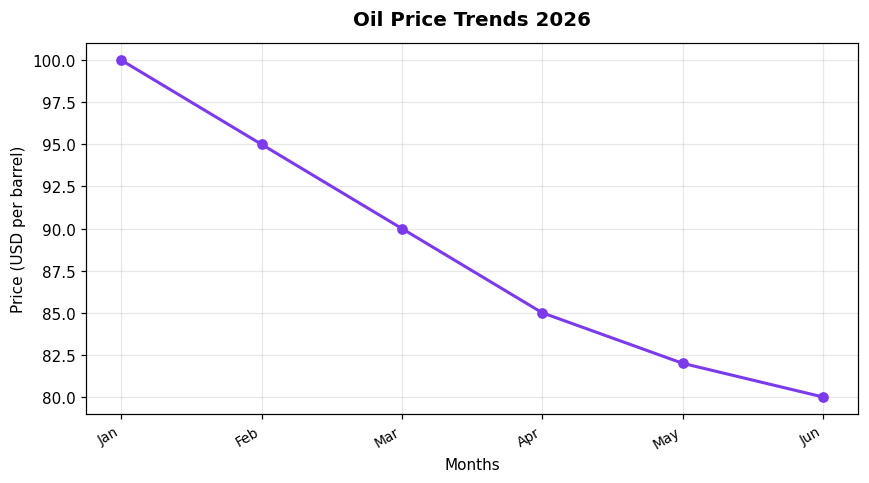
For many investors, the current dynamics signal a period to tread cautiously. However, not all share this bearish sentiment. Kevin Muir, a seasoned institutional trader with a reputation for contrarian bets, is making headlines with his bold call to buy energy stocks amidst the backdrop of plunging oil prices. His perspective challenges the prevailing market wisdom and presents a fascinating case study of risk assessment and market timing.
The Contrarian Bet: Kevin Muir’s Strategy
Kevin Muir’s decision to go long on energy stocks is rooted in his analysis of both macroeconomic trends and sector-specific dynamics. Muir believes that the current sell-off is overdone, driven more by short-term sentiment than by long-term fundamentals. He points out that while demand may appear weak now, the transition to renewable energy sources, which some argue will diminish oil’s relevance, is happening at a slower pace than anticipated.
Muir also notes that oil companies have become more efficient, with many having reduced their breakeven costs significantly since the last major downturn in 2020. This operational efficiency means that even with lower oil prices, many firms remain profitable. Additionally, Muir factors in geopolitical developments, such as potential supply disruptions or policy shifts, which could swiftly reverse the current pricing trend.
Second-Order Effects: Beyond the Headlines
While the immediate impact of falling oil prices is most visible in the energy sector, the ripple effects extend much further. For consumers, lower oil prices typically translate to reduced costs at the pump, freeing up disposable income for other expenditures. This can potentially stimulate sectors such as retail and travel, as consumers feel more confident in their spending.
Conversely, countries heavily reliant on oil exports face budgetary constraints, potentially leading to economic slowdowns. Nations like Russia and Saudi Arabia, which depend significantly on oil revenues, may need to adjust their fiscal policies, potentially impacting global economic stability. Furthermore, energy companies cutting back on exploration and development projects could lead to job losses, affecting local economies dependent on these industries.
Broader Economic Context and Implications
The current oil price decline occurs amidst a complex global economic backdrop. Central banks worldwide are grappling with inflationary pressures, while geopolitical tensions, particularly in Eastern Europe and the Middle East, add layers of uncertainty. These factors contribute to a cautious investment climate, where traders are often caught between the pull of risk and the promise of potential gains.
In this environment, Muir’s bet highlights a broader debate about the resilience of traditional energy sources in the face of evolving economic and environmental priorities. With governments pushing for green energy transitions, the oil sector’s future remains a contentious topic. Nevertheless, Muir’s analysis suggests that oil companies, by leveraging technology and streamlining operations, could remain competitive players on the global stage.
Impacts on Ordinary People: A Mixed Bag
For the average consumer, falling oil prices can be a double-edged sword. On one hand, lower fuel prices reduce transportation costs, which can ease the burden of inflation on household budgets. This is particularly beneficial for lower-income families, who spend a larger portion of their income on energy-related expenses.
However, the benefits are not universally felt. In regions where local economies are tied to the energy sector, job losses and reduced investment can have significant negative impacts. As companies cut costs to adjust to new price realities, layoffs and reduced wages can increase economic hardship, particularly in oil-dependent communities.
What Analysts Are Watching: Future Scenarios
As markets continue to fluctuate, analysts are closely monitoring a range of indicators to forecast future price movements. Key among these are developments in OPEC policy, shifts in global energy demand, and technological advancements in energy production and consumption. Additionally, geopolitical developments, such as the resolution or escalation of regional conflicts, could dramatically alter the supply-demand balance.
Muir’s strategy, while risky, underscores an essential aspect of market dynamics: the potential for rapid shifts based on new information or changing conditions. As the world navigates the complex interplay of economic, technological, and geopolitical forces, investors will need to remain agile, prepared to adjust strategies as new data emerges.
In the coming months, the oil market’s trajectory will serve as a barometer for broader economic trends, reflecting both the resilience and vulnerabilities of the global financial system.
Editorial Note: This article was produced with AI assistance and reviewed by the Celloraa editorial team for accuracy and clarity.
It is intended for informational purposes only.
Read our Editorial Policy.
Leave a Reply