
Photo by Andrea Piacquadio on Pexels
In the heart of China’s bustling economic landscape, Shanghai Disneyland stands as a testament to the enduring allure of fairy tales and fantasy. As the park marks its tenth anniversary, it has not only become a beloved destination for millions but also a pivotal player in Disney’s global strategy, particularly as China navigates complex economic challenges.
Shanghai Disneyland’s Strategic Significance
When Bob Iger, the former CEO of The Walt Disney Company, first envisioned a Disney park in Shanghai, it was more than just an expansion of the brand. It represented a strategic foothold in one of the world’s largest and most dynamic markets. Since its opening in 2016, Shanghai Disneyland has attracted over 100 million visitors, a milestone reached in 2025 that underscores its significant role within Disney’s portfolio.
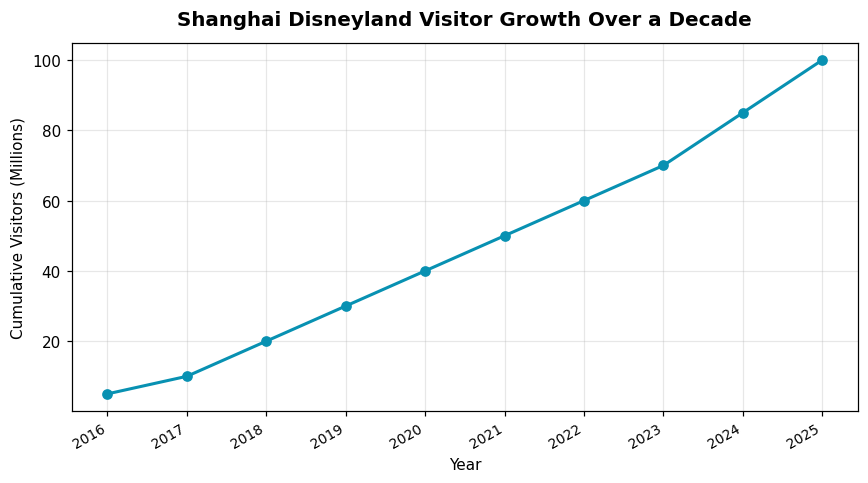
Strategically located in Pudong, a district known for its rapid development and connectivity, the park was designed to cater not only to Shanghai’s residents but also to the broader Chinese population and international tourists. With a mix of classic Disney attractions and culturally tailored experiences, such as the Enchanted Storybook Castle, Shanghai Disneyland has successfully bridged Western entertainment with Eastern sensibilities.
The park’s ability to draw millions of visitors each year has been integral to Disney’s international strategy. It symbolizes a successful blend of global entertainment standards with local cultural elements, providing a model for future expansions in diverse markets.
Market Dynamics and Industry Context
The broader market context in China has evolved considerably since Shanghai Disneyland’s inception. The country’s economic growth has slowed in recent years, with GDP growth rates decreasing from the double digits seen in the early 2000s to more modest figures. This economic pullback has affected consumer spending and, by extension, the entertainment industry.
Despite these challenges, Shanghai Disneyland has maintained robust attendance figures, a testament to the enduring appeal of its brand and the strategic decisions made to keep the park relevant. The park’s success amidst a slowing economy highlights the importance of adaptability and innovation in the face of market fluctuations.
Moreover, the entertainment sector in China is undergoing significant changes, with increasing competition from local theme parks and entertainment venues. Companies like Wanda Group have been investing heavily in creating attractions that appeal to Chinese consumers, emphasizing the need for Disney to continuously innovate and tailor its offerings to maintain its competitive edge.
Winners and Losers in the Disney Expansion
The success of Shanghai Disneyland has had ripple effects across various stakeholders. Disney, as the primary beneficiary, has solidified its brand presence in China, opening new opportunities for merchandise sales, media content distribution, and future park developments.
Local businesses and the tourism sector in Shanghai have also benefited. The influx of visitors has spurred growth in hospitality, retail, and transportation, contributing significantly to the local economy. This symbiotic relationship between the park and its surrounding community exemplifies how large-scale entertainment projects can drive regional development.
However, not all have gained equally. Smaller entertainment venues and local theme parks have faced increased competition, struggling to match the draw of Disney’s expansive and immersive experiences. This competitive pressure has led to a consolidation in the market, where only the most innovative and well-funded players can thrive.
Implications for the Global Theme Park Industry
The evolution of Shanghai Disneyland offers valuable insights into the global theme park industry. As markets mature and become more competitive, the ability to adapt to local cultures and economic conditions becomes crucial. Disney’s success in Shanghai illustrates the effectiveness of a localized approach in global expansion strategies.
The park’s integration of technology, such as mobile apps for queue management and interactive experiences, sets a precedent for the industry. As digital transformation continues to reshape consumer expectations, theme parks worldwide must embrace these innovations to enhance visitor experiences and operational efficiency.
Additionally, the focus on sustainable practices at Shanghai Disneyland, from energy-efficient operations to eco-friendly construction, reflects a growing trend in the industry. As environmental concerns become increasingly prominent, sustainability will play a key role in shaping the future of theme parks.
Looking Ahead: The Future of Disney in China
As Shanghai Disneyland celebrates its tenth anniversary, the broader implications for Disney’s future in China and beyond are significant. The park’s success highlights the potential for further expansion in Asia, where emerging markets offer new growth opportunities despite economic uncertainties.
Disney’s ability to navigate regulatory landscapes, cultural nuances, and economic shifts will determine its continued success in the region. The lessons learned from Shanghai Disneyland’s first decade will undoubtedly inform future projects, including potential expansions in other Chinese cities and neighboring countries.
Ultimately, the story of Shanghai Disneyland is one of adaptation, innovation, and resilience. As Disney looks to the future, its commitment to blending global entertainment excellence with local cultural insights will be crucial in maintaining its position as a leader in the global theme park industry.
Editorial Note: This article was produced with AI assistance
and reviewed by the Celloraa editorial team for accuracy and clarity.
It is intended for informational purposes only.
Read our Editorial Policy.
Leave a Reply