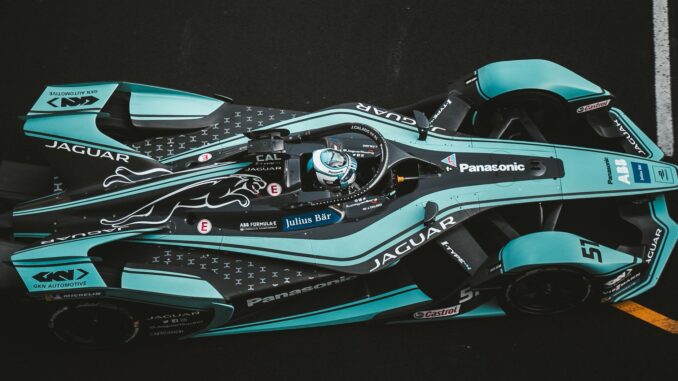
Photo by Alex wolf mx on Pexels
As Formula E unveils its inaugural GEN4 calendar, a tension brews within the motorsport world between the preservation of cutting-edge electric racing and the romantic allure of traditional racing venues. The 2027 season promises to rejuvenate the electric series with a lineup that includes globally recognized tracks such as Brands Hatch, Circuit of the Americas (COTA), and Zandvoort. This strategic shift is not merely a nod to nostalgia but a calculated move to broaden the appeal of Formula E by merging its futuristic ethos with the storied past of motorsport.
Reimagining Electric Racing: The Significance of Real Tracks
The inclusion of iconic circuits in the new calendar marks a significant departure for Formula E, which has traditionally favored urban street tracks. This decision speaks volumes about the series’ ambitions to elevate its status within the broader motorsport ecosystem. The urban circuits, while providing thrilling cityscape backdrops, have often been criticized for their limited overtaking opportunities and narrow layouts. By moving to established racing venues, Formula E aims to enhance the competitive spectacle and technical complexity of its races.
For the casual observer, the switch to traditional circuits might seem like an aesthetic change, but it represents a deep strategic pivot. Real tracks are designed with long straights and sweeping corners that test the limits of a vehicle’s aerodynamics, speed, and driver skill. This transition could also bridge the gap between electric and traditional motorsport fans, enticing a broader audience who appreciate the heritage and technical challenges posed by these classic tracks.
Who Stands to Gain: Stakeholders and Fans
The beneficiaries of this calendar revamp are diverse. First and foremost, fans of both Formula E and traditional racing circuits stand to gain a richer viewing experience. The historical significance of tracks like Brands Hatch, which has hosted countless memorable races, adds an emotional and nostalgic layer to the sport. This could attract a new demographic of fans who cherish motorsport history.
Meanwhile, drivers and teams are likely to welcome the change. Established tracks provide a consistent and challenging platform to showcase technical prowess and strategic acumen, essential for driver development and team strategies. Moreover, these circuits offer better facilities and infrastructure compared to temporary city tracks, potentially leading to improved logistics and race-day experiences for teams and spectators alike.
Industry Dynamics: A Competitive Landscape
Within the motorsport industry, Formula E’s decision to incorporate real tracks is a clear signal of its intent to position itself as a serious contender alongside traditional motorsport series like Formula 1. The electric series has made significant strides in technology and popularity since its inception, and competing at revered venues can further legitimize its standing.
Competitors in the motorsport realm, such as traditional racing series, may view this development with mixed feelings. On one hand, Formula E’s adoption of real tracks could be seen as a direct challenge to their dominance. On the other hand, it could foster a collaborative spirit to push technological advancements in eco-friendly racing. Already, Formula 1 has begun integrating hybrid technology into its races, and Formula E’s moves could accelerate this trend across the industry.
Industry experts, such as those at the FIA, will be closely watching how this strategic shift impacts sponsorship, viewership, and technological innovation. The success of the GEN4 calendar could set a precedent for future electric series, emphasizing the importance of balancing tradition with innovation.
Privacy, Ethics, and Economic Implications
Switching to real tracks also brings with it significant privacy and ethical considerations. Traditional circuits, often located on private lands, may offer enhanced control over data collection and crowd management compared to public city streets. This can be advantageous in an era where privacy concerns are paramount. Ensuring data security for both participants and spectators will be critical as digital and streaming technologies continue to evolve.
From an economic perspective, the move could lead to increased local investment and tourism for the regions hosting these races. Traditional tracks often have established relationships with local businesses and governments, which can be leveraged to boost economic activity. The influx of international fans and media can further contribute to local economies, reinforcing the financial viability of hosting a Formula E event.
Looking Ahead: The Future of Formula E
As Formula E embarks on this new chapter with its GEN4 calendar, the series stands at a crossroads of potential growth and transformation. The strategic shift to real tracks is more than a mere logistical decision; it is a statement of intent about the future trajectory of electric racing. By aligning itself with the traditions of motorsport, Formula E is poised to strengthen its brand and broaden its appeal.
The success of this transition will likely depend on the series’ ability to maintain its unique identity while embracing the heritage of traditional circuits. Should it succeed, Formula E could become a formidable player in the motorsport arena, influencing the future of racing towards sustainability and innovation. As the 2027 season approaches, all eyes will be on how these iconic tracks host the electric races and how this strategic decision shapes the perception and reality of Formula E in the competitive landscape.
Editorial Note: This article was produced with AI assistance and reviewed by the Celloraa editorial team for accuracy and clarity. It is intended for informational purposes only.
Read our Editorial Policy.
Leave a Reply