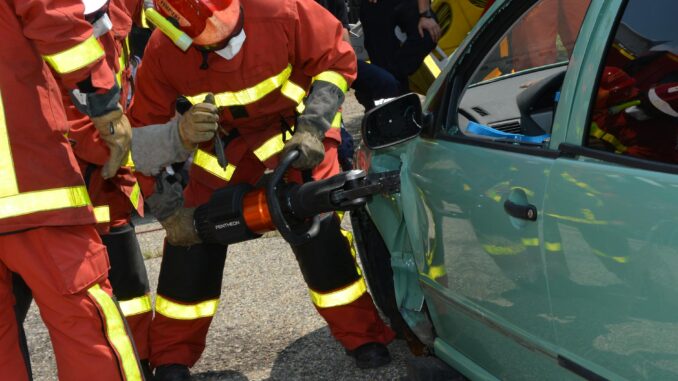
Photo by Ulrick Trappschuh on Pexels
What Happened
On May 31, 2026, a tragic incident unfolded in Virginia when a tour bus, driven by Jing S. Dong, collided with multiple vehicles, leading to the deaths of five individuals. Local law enforcement reported that Dong was operating the vehicle in a “criminally negligent manner,” which resulted in this catastrophic event. The details surrounding the crash are still being investigated, but preliminary reports indicate that the bus struck several cars in a chaotic scene, prompting immediate emergency response and road closures.
The crash has raised significant concerns about road safety, particularly regarding commercial vehicles such as tour buses. Authorities are now scrutinizing the driver’s background, vehicle maintenance records, and the conditions leading up to the accident. In the wake of the incident, Dong was charged with involuntary manslaughter, a serious charge that underscores the legal ramifications of negligence in operating a vehicle.
The Political and Policy Landscape
This incident occurs against a backdrop of ongoing discussions about transportation safety regulations in the United States. With the increasing number of tour buses on the roads, particularly during peak travel seasons, policymakers are under pressure to ensure that stringent safety measures are in place. The National Highway Traffic Safety Administration (NHTSA) has been advocating for enhanced regulations that would require more rigorous training for commercial drivers and improved vehicle inspection protocols.
Furthermore, this crash could spark renewed debates among lawmakers about the need for stricter penalties for negligent driving, especially in cases resulting in fatalities. As states grapple with these issues, this incident may serve as a catalyst for legislative changes aimed at preventing similar tragedies in the future. Stakeholders, including safety advocates and transportation agencies, are likely to push for reforms that could reshape how commercial driving is regulated across the country.
How This Affects Americans
The implications of this crash extend beyond the immediate tragedy, affecting the broader American public’s perception of transportation safety. Incidents involving commercial vehicles can lead to heightened apprehensions among travelers, particularly those relying on tour buses for vacations or business trips. The feeling of vulnerability on the roads may deter some individuals from using such services, impacting tourism and local economies reliant on visitor spending.
Moreover, this case highlights the ongoing need for robust driver training programs. As the demand for commercial transportation grows, ensuring that drivers are well-prepared and knowledgeable about safety protocols is essential. This accident may prompt discussions about the adequacy of current training standards and whether the industry is doing enough to mitigate risks associated with commercial driving.
Reactions and Responses
The community’s response to the crash has been one of shock and mourning. Families of the victims are understandably devastated, and there have been calls for accountability and justice. Memorials have begun to appear in the area where the crash occurred, serving as a somber reminder of the lives lost. Community leaders are expressing their condolences while also urging for a thorough investigation to ensure that such an incident does not happen again.
Public sentiment regarding the safety of commercial transportation is also shifting. Many individuals are taking to social media to voice their concerns about how such negligence could occur and what measures can be implemented to prevent future accidents. Advocacy groups have begun mobilizing, calling for increased oversight of commercial vehicle operators and more stringent safety measures to protect passengers and other road users.
What Comes Next
As the legal proceedings against Jing S. Dong progress, the case will likely draw significant media attention. The outcome could set a precedent for how similar cases are handled in the future. Additionally, the ongoing investigation may lead to further revelations about the circumstances that contributed to the crash, including whether there were any mechanical failures or lapses in adherence to safety regulations by the bus company.
In the coming months, the transportation community will be closely watching for any shifts in legislation or policy changes that may arise as a direct result of this incident. Advocates for road safety will continue to lobby for reforms, while lawmakers will need to balance the interests of the tourism sector with the imperative of ensuring public safety. The repercussions of this tragedy will likely resonate beyond Virginia, as other states assess their own safety regulations concerning commercial vehicles.
Editorial Note: This article was produced with AI assistance and reviewed by the Celloraa editorial team for accuracy and clarity. It is intended for informational purposes only. Read our Editorial Policy.
Leave a Reply