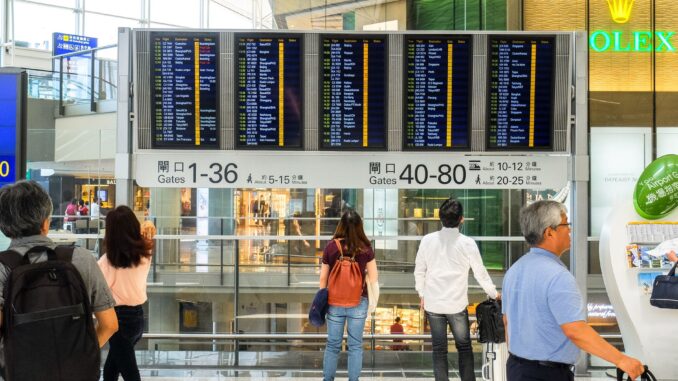
Photo by AirTeo | Air Travel on Pexels
Background & Context
The recent escalation of military actions between the United States and Iran is rooted in decades of geopolitical tension marked by a complex interplay of historical grievances, regional power struggles, and international diplomacy. Following the 1979 Iranian Revolution, relations between the two nations soured, culminating in a protracted cycle of hostility characterized by sanctions, proxy wars, and accusations of terrorism. The 2015 Joint Comprehensive Plan of Action (JCPOA), commonly known as the Iran nuclear deal, provided a temporary thaw in relations, yet its subsequent abandonment by the U.S. in 2018 reignited hostilities.
In the past few years, Iran has expanded its military capabilities, utilizing drone technology to assert its influence across the Middle East. This has included support for various militant groups in Iraq, Syria, and Yemen, as well as direct threats to U.S. interests in the region. Tensions reached a new peak as the U.S. maintained a significant military presence in the Gulf, citing the need to counter Iranian aggression and safeguard allies in the region.
Key Developments
On June 3, 2026, reports emerged from Kuwaiti authorities indicating that civilian buildings, including the country’s international airport, were targeted by drones believed to be operated by Iranian forces. Tragically, the attack resulted in the death of at least one individual and raised immediate concerns about the security of air travel and civilian infrastructure in the region. This incident marks a significant escalation in the ongoing conflict, as it directly threatens the safety of civilians and disrupts international travel.
In response to the drone strikes, the United States launched a series of retaliatory airstrikes aimed at Iranian military installations. U.S. officials stated that these strikes were a necessary measure to protect American personnel and interests in the region. This tit-for-tat military action underscores a dangerous escalation in the conflict, with both sides seemingly entrenched in a cycle of violence that could spiral out of control.
Global Implications
The implications of the recent U.S.-Iran military confrontations are vast and multifaceted, affecting not just the immediate region but also global geopolitics. The incident could lead to a destabilization of the Gulf region, an area crucial for international energy supplies. Any disruption in this region could have ripple effects on global oil prices, potentially leading to economic instability in countries reliant on oil imports.
Moreover, the drone attack and subsequent U.S. airstrikes may draw in other key regional players, such as Saudi Arabia and Israel, who have long viewed Iran as a strategic threat. Increased military involvement from these countries could escalate tensions further, potentially leading to a broader conflict. Additionally, the U.S. stance may also affect its relations with traditional allies in the region, who may be caught in the middle of this escalating aggression.
What Experts Are Saying
Geopolitical analysts warn that the cycle of retaliation between the U.S. and Iran could have dire consequences not only for the Middle East but for global peace and stability. Dr. Farah Kahn, a Middle East expert at the International Relations Institute, stated, “This incident exemplifies the precarious balance of power in the region. Each side’s military actions are not just about immediate threats; they reflect deeper strategic objectives that could lead to a larger confrontation.”
Furthermore, experts suggest that diplomatic avenues must be explored to de-escalate the situation. Many believe that the U.S. and Iran should engage in dialogue, despite the animosity that has characterized their relationship over the years. Dr. Amir Rahmani, a political scientist specializing in U.S.-Iran relations, posited, “In the realm of international relations, dialogue is often the first casualty of conflict. However, without it, we risk escalating tensions into a full-blown war that neither side desires.”
What This Means for Readers
The recent events serve as a stark reminder of the fragility of peace in a region plagued by conflict. For readers, it is essential to understand the broader implications of these military actions—not just for the immediate stakeholders but for international stability as a whole. As tensions rise, the possibility of civilian casualties increases, and the global community must remain vigilant against the risks of broader military engagement.
In the coming days and weeks, observers should watch closely for potential diplomatic initiatives aimed at de-escalation, as well as any shifts in military posture from both the U.S. and Iran. Additionally, the reactions from other countries in the region, particularly those who may feel threatened by these developments, will be crucial in shaping the trajectory of this conflict.
Editorial Note: This article was produced with AI assistance and reviewed by the Celloraa editorial team for accuracy and clarity. It is intended for informational purposes only. Read our Editorial Policy.
Leave a Reply