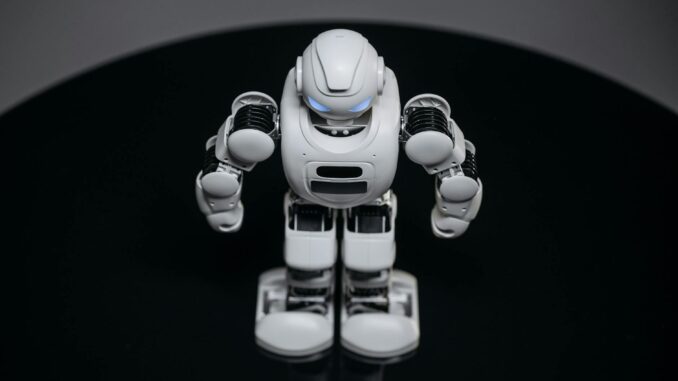
Photo by Pavel Danilyuk on Pexels
What Was Announced or Discovered
On June 4, 2026, a critical examination of humanoid robots and their viral demonstrations on social media was published, raising important questions about the public’s perception of these advanced machines. As robotic technology continues to evolve, videos showcasing humanoid robots performing a variety of tasks have quickly captured the attention of millions online. However, the article warns that these demonstrations can sometimes misrepresent the true capabilities and limitations of the technology, leading to a skewed understanding of what humanoid robots can actually achieve.
The excitement surrounding humanoid robots is palpable. Many people are intrigued by the idea of machines that can walk, talk, and interact with humans in seemingly lifelike ways. Yet, the viral nature of these robot showcases can distort expectations and overshadow the more practical aspects of robotic technology. The article emphasizes the need for a more nuanced understanding of these machines to better appreciate their real-world applications and limitations.
How It Works
Humanoid robots are designed to replicate human movements and behaviors, often using advanced technologies such as artificial intelligence, machine learning, and robotics. These robots are equipped with sensors, cameras, and algorithms that enable them to navigate environments, recognize voices, and respond to commands. The goal is to create machines that can assist in various fields, including healthcare, manufacturing, and customer service.
Despite the impressive demonstrations often seen online, it’s crucial to understand that these robots operate within specific parameters. The technology behind humanoid robots is still developing, and while they can perform certain tasks with remarkable efficiency, they are not yet capable of fully autonomous decision-making or complex human-like interactions. Many viral videos feature carefully staged scenarios that may not accurately reflect the daily challenges these robots face in real-world situations.
Who Is Affected
The implications of humanoid robots going viral extend beyond just technology enthusiasts; they affect a wide range of stakeholders. For consumers, the excitement generated by these robots can lead to unrealistic expectations about their capabilities in everyday life. People may assume that humanoid robots are fully functional and ready for widespread use, which could lead to disappointment and skepticism when the reality does not match the hype.
Industries that are looking to integrate humanoid robots into their operations may also be affected. Companies might overestimate the readiness of this technology, investing in robots based on viral perceptions rather than grounded assessments of their capabilities. This could lead to financial losses and hinder progress in the field if organizations prematurely adopt solutions that do not meet their needs or expectations.
Industry Reactions
Reactions from the robotics industry to the viral phenomenon of humanoid robots have been mixed. On one hand, many developers and researchers appreciate the increased public interest and engagement that comes from viral content. Awareness of humanoid robots can drive funding, research, and collaboration opportunities. On the other hand, there is a palpable concern among experts that sensationalized representations can mislead investors and the public about the state of robotics technology.
Industry leaders are calling for more responsible marketing and public communication regarding humanoid robots. They advocate for transparency about the limitations of current technology and the challenges that still lie ahead. Some researchers are pushing for initiatives that educate the public on the actual applications and performance of humanoid robots, hoping to bridge the gap between perception and reality.
Privacy and Ethical Considerations
The rise of humanoid robots raises significant privacy and ethical considerations. As these machines become more integrated into daily life, they will inevitably collect data from their interactions with humans. There are concerns about how this data will be used, stored, and shared. The potential for misuse or unauthorized access to sensitive information is a serious issue that both developers and consumers must address.
Moreover, ethical questions regarding the treatment of humanoid robots come into play. As these machines become more lifelike, society may need to grapple with how to interact with them. Will humanoid robots be afforded rights? How will humans distinguish between treating these machines as tools versus companions? These questions require thoughtful discussion and policy development to ensure a harmonious integration of humanoid robots into society.
What This Means for the Future
The future of humanoid robots is both exciting and uncertain. As technology continues to advance, we can expect to see improvements in the functionality and versatility of these machines. However, it is crucial that the narrative surrounding them remains grounded in reality. Heightened public expectations can lead to a backlash against the technology if it fails to deliver as promised.
Looking ahead, it will be important for the robotics industry to foster informed discussions about the capabilities and limitations of humanoid robots. Initiatives aimed at educating the public, along with responsible marketing practices, can help shape a more accurate understanding of what humanoid robots can achieve. The path forward will require collaboration between technologists, ethicists, and the general public to ensure that humanoid robots enhance our lives without compromising our values or privacy.
Editorial Note: This article was produced with AI assistance and reviewed by the Celloraa editorial team for accuracy and clarity. It is intended for informational purposes only. Read our Editorial Policy.
Leave a Reply