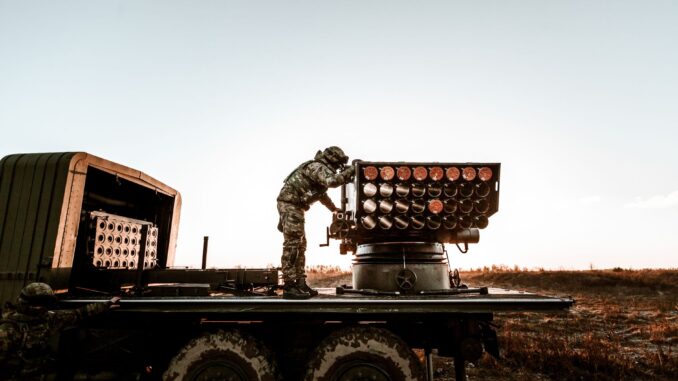
Photo by Art Guzman on Pexels
Background & Context
The conflict between Ukraine and Russia has escalated dramatically since its inception in 2014, following Russia’s annexation of Crimea and the subsequent support of separatist movements in Eastern Ukraine. This confrontation has evolved into a full-scale war, marked by significant military engagements, loss of life, and widespread humanitarian crises. The ongoing hostilities have drawn in various international actors, with the United States and European nations primarily supporting Ukraine through military aid, economic sanctions against Russia, and diplomatic efforts aimed at isolating Moscow on the global stage.
As of June 2026, the war has continued to ravage Ukraine, exacerbating tensions not only between the two nations but also among global powers. While the United States has maintained a focus on Ukraine, recent geopolitical shifts have emerged as the US’s attention has increasingly turned towards Iran, particularly in light of rising tensions in the Middle East. This shift presents a unique backdrop to Ukraine’s ongoing struggle, as President Volodymyr Zelensky emphasizes the need for direct engagement with Russian President Vladimir Putin to resolve the conflict.
Key Developments
In an open letter published on June 5, 2026, President Zelensky formally proposed face-to-face talks with President Putin, suggesting that only through direct dialogue can the longstanding conflict between Ukraine and Russia be addressed. This proclamation underscores a significant shift in Ukraine’s approach—moving from reliance on international mediation to advocating for direct negotiations with Russia itself. Zelensky’s appeal highlights the urgency for a resolution, as the war continues to inflict severe economic and social strains on Ukraine.
The timing of this proposal is critical; as the US pivots its focus towards Iran amid ongoing geopolitical tensions in that region, Ukraine risks being sidelined in the international arena. Zelensky’s letter seems to be an effort to reclaim the narrative and secure Ukraine’s place in the global dialogue, emphasizing that the resolution of the war cannot be sidelined even as other regions demand attention.
Global Implications
The significance of Zelensky’s call for direct talks with Putin extends far beyond the borders of Ukraine and Russia. It poses a challenge to the prevailing international approach, which has largely centered around economic sanctions and military support for Ukraine. Should these direct negotiations yield progress, it could signal a shift in how conflicts are managed globally, potentially leading to increased diplomatic engagements in other troubled regions.
Moreover, the response from key global players will be pivotal. The European Union, particularly countries like Germany and France, has been heavily invested in mediating the conflict. Their reaction to Zelensky’s proposal will likely reveal whether there is a broader consensus on the necessity of direct dialogue. Additionally, the United States, while currently focusing on tensions with Iran, must balance its strategic interests in Eastern Europe, as any perceived weakening of support for Ukraine could embolden Russia and its allies.
What Experts Are Saying
Experts in international relations and conflict resolution have provided varied perspectives on Zelensky’s appeal for direct talks. Some argue that this approach may be a necessary step toward de-escalation, suggesting that without direct communication, misunderstandings and miscalculations could prolong the war and exacerbate humanitarian crises. They contend that both leaders must engage in dialogue to find common ground, even if it involves compromising on difficult issues.
Others, however, caution against the potential pitfalls of direct engagement. They argue that Putin may use such talks to manipulate the narrative or buy time while consolidating military gains. The skepticism surrounding Russia’s intentions underscores the complexity of the situation, as past dialogues have often resulted in little more than temporary pauses in hostilities. Experts emphasize the need for robust assurances from international stakeholders to ensure that any dialogue is grounded in genuine intentions for peace.
What This Means for Readers
The call for direct negotiations between Zelensky and Putin signifies a crucial juncture in the ongoing conflict and offers readers a lens through which to understand the evolving landscape of international relations. As the global focus shifts, it is essential for individuals to remain informed about how these developments may impact not only Ukraine but also broader geopolitical dynamics. The outcome of Zelensky’s proposition could reshape alliances, influence international policy, and alter the course of future conflicts.
As this situation unfolds, observers should watch for responses from international leaders, potential reactions from the Russian administration, and the implications for US foreign policy. Increased dialogue could either pave the way for a long-awaited resolution or reveal deeper divides that complicate peace efforts. In any case, the international community will be closely monitoring the situation, given its far-reaching consequences.
Editorial Note: This article was produced with AI assistance and reviewed by the Celloraa editorial team for accuracy and clarity. It is intended for informational purposes only. Read our Editorial Policy.
Leave a Reply