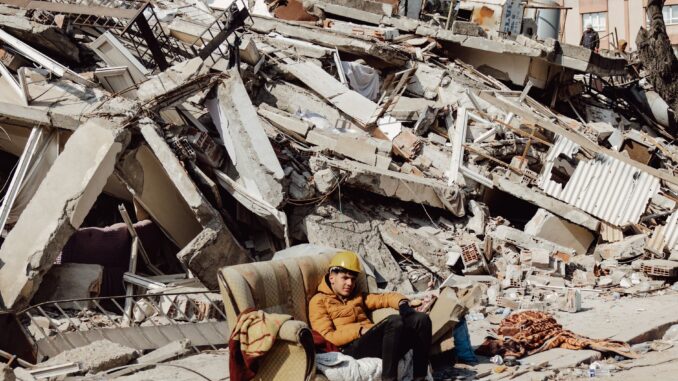
Photo by Faruk Tokluoğlu on Pexels
The Geophysical Landscape of the Philippines
The Philippines, a nation of over 7,000 islands, is uniquely positioned on the Pacific Ring of Fire, a volatile area with frequent seismic and volcanic activity. This tectonic setting is a double-edged sword, contributing to the country’s rich biodiversity and fertile lands, while also posing significant risks. Annually, the Philippines experiences thousands of earthquakes, most of which are minor. However, the magnitude-7.8 earthquake that struck on June 8, 2026, stands out as one of the most powerful in recent history, underscoring the persistent threat faced by this region.
Impact and Immediate Response
The earthquake’s epicenter in the southern Philippines, an area particularly vulnerable to natural disasters, has resulted in tragic loss of life and extensive damage. With at least 19 fatalities reported, the human toll is a somber reminder of the region’s vulnerability. The Philippine government, alongside local and international agencies, has swiftly mobilized emergency responders. Their efforts are focused on search and rescue operations, providing immediate relief to affected communities.
The earthquake also triggered a series of tsunami alerts, impacting coastal areas of neighboring nations such as Indonesia and Japan. While the tsunami waves were relatively small, the alerts emphasize the interconnected nature of seismic events across the Pacific Rim. For more on how global events can ripple through economies, you may refer to our article on World Cup Losses and National Stock Markets.
Infrastructure Challenges and Resilience
The earthquake has severely damaged infrastructure, complicating rescue and recovery efforts. The destruction of homes and transportation networks underscores the urgent need for improved resilience in the face of natural disasters. Despite previous efforts to enhance earthquake preparedness, this event highlights gaps in infrastructure and emergency response capabilities. According to experts from the United States Geological Survey (USGS), continuous investment in resilient infrastructure is vital for minimizing future risks.
As the immediate focus remains on rescue efforts, discussions are already underway about long-term rebuilding strategies. The challenge lies not only in restoring what was lost but also in building back better, incorporating lessons learned to mitigate future risks.
Regional and Global Implications
The earthquake’s impact extends beyond national borders, influencing regional geopolitics and international relations. The Philippines, a crucial player in Southeast Asian security dynamics, may see shifts in international aid and disaster response collaborations. This disaster could prompt a reevaluation of regional cooperation frameworks, as countries like Japan and Indonesia reassess their disaster preparedness strategies. Collaborative efforts could lead to strengthened ties and more effective regional disaster management protocols.
Furthermore, the geopolitical implications are significant, as natural disasters can alter the balance of power and influence in the region. The response from international communities will not only aid immediate recovery but may also shape long-term diplomatic relations.
Expert Insights and Future Preparedness
Seismologists and disaster response experts emphasize that while the Philippines has made notable progress in earthquake preparedness, this event is a call to action for continuous improvement. The need for robust infrastructure and comprehensive disaster planning cannot be overstated. Experts advocate for integrating modern technology and scientific advancements in early warning systems to enhance readiness and response.
Geopolitical analysts also highlight the broader implications of such events on international aid and governance. While immediate humanitarian assistance is critical, there is a delicate balance between aid and fostering self-reliance in disaster-prone regions. The long-term focus should be on sustainable development and resilience building.
Conclusion: A Call to Global Awareness
This earthquake is a poignant reminder of the unpredictable nature of our planet and the vulnerabilities of regions like the Philippines. It underscores the importance of global awareness and preparedness. Readers are encouraged to remain informed about disaster management practices and consider the broader implications of such events on global stability.
As recovery efforts progress, the world will watch closely to see how the Philippines navigates this crisis. The responses from neighboring countries and international organizations will be crucial in shaping a resilient recovery path. For updates on international responses, stay informed with Celloraa News.
Editorial Note: This article was produced with AI assistance and reviewed by the Celloraa editorial team for accuracy and clarity. It is intended for informational purposes only. Read our Editorial Policy.
Leave a Reply