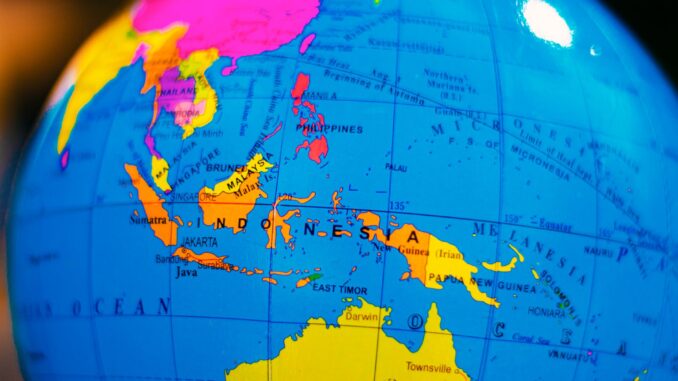
Photo by Nothing Ahead on Pexels
Unexpected Catastrophe: The True Cost of Extreme Weather
When most people think of climate change, they envision slow, incremental shifts in temperature, melting ice caps, and rising sea levels. Few consider the immediate and devastating impact on specific species, particularly rare and endangered ones. A recent study has highlighted this harsh reality, revealing that just four days of extreme rainfall have killed 7% of the world’s rarest orangutans, the Pongo pygmaeus, residing in Borneo. This staggering loss underscores the increasingly volatile climate’s acute threat to biodiversity.
The Bornean orangutan, already teetering on the brink of extinction, now faces an accelerated risk due to climate change-induced weather extremes. The report elucidates how these apes, unable to cope with rapid environmental changes, suffer from habitat destruction and food scarcity during prolonged adverse weather conditions. This incident serves as a stark reminder of the broader implications of climate change, where sudden and intense weather patterns can lead to immediate and irreversible biodiversity loss.
Stakeholders and Their Competing Interests
The battle to preserve the Bornean orangutan involves a complex web of stakeholders, each with differing priorities. Conservationists and environmental organizations are at the forefront, tirelessly advocating for stricter conservation policies and increased funding to protect these endangered primates. They argue that without immediate and robust intervention, the orangutans could face extinction within decades.
On the opposite side are economic interests, including logging companies and palm oil producers, whose activities directly contribute to habitat loss. These industries argue for their economic importance, citing job creation and national revenue. However, their operations lead to deforestation and land conversion, further exacerbating the orangutans’ plight. The tension between conservation and economic growth exemplifies the broader challenge of balancing environmental sustainability with development needs.
Local communities also play a crucial role. Many inhabitants of Borneo rely on the land for their livelihoods, which can sometimes conflict with conservation efforts. Solutions that integrate community needs with conservation goals are essential for long-term success. Increasingly, initiatives are being developed to involve local communities in conservation efforts, providing alternative livelihoods that do not harm orangutan habitats.
Historical Context and Precedent
The plight of the Bornean orangutan is not a new story. Historically, these primates have faced relentless threats from deforestation and human encroachment. Since the late 20th century, extensive logging and agricultural expansion have dramatically reduced their natural habitats. Previous conservation efforts have had mixed success, often hampered by insufficient funding and political will.
Past international collaborations have shown that concerted efforts can yield positive results. The 2007 Kinabatangan Orangutan Conservation Project in Malaysia, for example, demonstrated that strategic habitat reconnection can benefit both orangutans and local communities. However, such projects require sustained commitment and resources, often lacking in regions with competing economic priorities.
The recent extreme weather event serves as a grim reminder of the heightened risks that climate change poses. Historically, conservation has focused on longer-term threats like habitat loss. Now, the immediacy of climate-induced catastrophes demands a reevaluation of strategies to include rapid response mechanisms.
Global and Regional Implications
The implications of losing such a significant portion of the Bornean orangutan population extend beyond Borneo. Orangutans are keystone species, playing a critical role in their ecosystem by aiding in seed dispersal and maintaining the health of the forest. Their decline could trigger cascading effects, leading to broader ecological imbalances.
Regionally, the loss of orangutans also impacts tourism, which is vital to local economies. Wildlife tourism has been a sustainable alternative to destructive industries, providing a source of income while promoting conservation. The continued decline of orangutan populations could diminish this economic avenue, further complicating efforts to balance development with conservation.
Globally, the situation in Borneo highlights the urgent need for international cooperation on climate action. It reinforces the argument for integrating biodiversity conservation into climate policies, as the two are inextricably linked. Organizations like the World Wildlife Fund have long advocated for such an approach, emphasizing that preserving ecosystems is essential to the broader fight against climate change.
Future Outlook: What Observers Should Watch
The more significant development here is the acknowledgment that climate change is not a distant threat but a present and accelerating force causing immediate harm. Informed observers should watch how this narrative shifts international conservation strategies, particularly in biodiversity hotspots like Borneo.
Key areas to monitor include policy changes at the governmental level in Indonesia and Malaysia, where much of the Bornean orangutan’s habitat lies. The effectiveness of international funding and support for conservation projects will also be critical. Moreover, the integration of local communities into these efforts will likely determine their ultimate success or failure.
Finally, the role of climate policy in shaping conservation efforts will be crucial. As climate change continues to alter ecosystems worldwide, the need for comprehensive and adaptive conservation strategies becomes ever more pressing. Observers should look for shifts in how conservationists and policymakers address these intertwined challenges.
Editorial Note: This article was produced with AI assistance and reviewed by the Celloraa editorial team for accuracy and clarity. It is intended for informational purposes only.
Read our Editorial Policy.
Leave a Reply