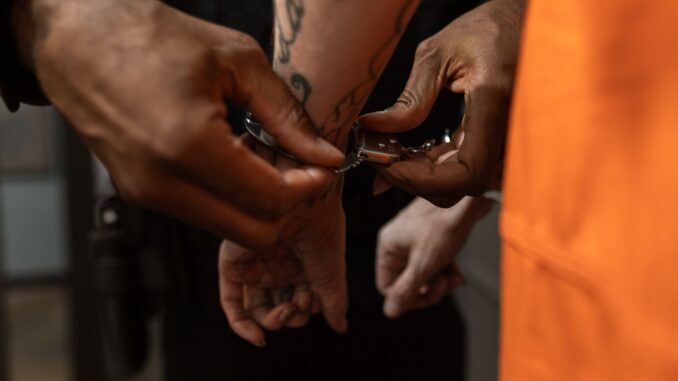
Photo by RDNE Stock project on Pexels
In recent years, the integration of artificial intelligence into law enforcement has sparked both enthusiasm and caution. As AI tools become more prevalent in police work, a Florida man’s lawsuit has cast a spotlight on the potential pitfalls of relying on these technologies. He claims his arrest was based on a faulty facial recognition match, underscoring broader concerns about the accuracy and ethical implications of AI in policing.
Facial Recognition: A Double-Edged Sword in Policing
The use of facial recognition technology by law enforcement agencies is a trend that has seen rapid adoption, driven by promises of increased efficiency and accuracy. However, the case of the Florida man suing the police over his arrest, which stemmed from a ‘93% match’ by a facial recognition system, highlights the technology’s shortcomings. Critics argue that these systems can often produce false positives, especially among minority groups, due to inherent biases in the data sets used to train them.
Facial recognition systems work by comparing the facial features captured in an image against a database of known faces. While the technology has improved over time, it is not infallible. Issues arise when matches are treated as definitive evidence rather than investigatory leads. In this case, the lawsuit alleges that police relied too heavily on the AI match without conducting a thorough investigation into other evidence that could have exonerated the individual.
Historical Context: Lessons from the Past
This situation is reminiscent of past controversies involving technology in law enforcement, such as the introduction of DNA testing in the 1980s. While DNA evidence has become a gold standard in forensic science, its early years were fraught with challenges, including mishandling and misinterpretation of results. Similarly, breathalyzer tests for alcohol impairment faced scrutiny over reliability and the potential for operator error.
Key Events in the Florida Facial Recognition Lawsuit
| Date | Event |
|---|---|
| June 2026 | Lawsuit filed by Florida man |
| 2020s | Widespread adoption of facial recognition by police |
| 1980s | Introduction of DNA testing in law enforcement |
| 2023 | Major tech companies pause facial recognition sales |
These historical precedents reveal that new technologies, while promising, require rigorous validation and oversight to ensure they are used correctly and fairly. The current lawsuit serves as a reminder of the need for comprehensive frameworks governing the use of AI in law enforcement to prevent miscarriages of justice.
Impact on Individuals and Communities
The implications of this lawsuit extend beyond the individual involved. Communities, particularly those of color, often bear the brunt of flawed AI systems due to systemic biases. Reports and studies have shown that facial recognition systems are less accurate for people with darker skin tones, increasing the risk of wrongful accusations.
This case brings to light the potential human cost of over-reliance on AI technologies without sufficient checks and balances. For the individuals wrongly targeted, the consequences can be severe, ranging from reputational damage to emotional distress and financial burdens.
Industry and Competitor Responses
As the debate over AI in law enforcement heats up, technology companies are under pressure to improve the accuracy and fairness of their systems. Some have responded by refining their algorithms and increasing transparency about their data sets. Others have chosen to halt the sale of facial recognition technology to police departments until comprehensive regulations are established.
Competitors in the AI space are also watching closely, as the outcomes of such lawsuits could influence public perception and regulatory action. Companies that develop facial recognition software must navigate a complex landscape of ethical considerations and potential legal liabilities.
Privacy, Ethics, and Economic Implications
The privacy and ethical implications of facial recognition technology are significant. The potential for mass surveillance and the erosion of civil liberties are ever-present concerns. Privacy advocates argue for stricter controls and greater transparency in the deployment of these technologies to safeguard individual rights.
Economically, the stakes are high for companies invested in AI technology. The industry is poised for growth, but public trust is crucial for its sustainable development. Legal challenges like the one in Florida could spur regulatory changes that reshape the market landscape.
Looking Ahead: The Future of AI in Law Enforcement
As we move forward, the integration of AI in law enforcement will likely continue to evolve in response to legal, ethical, and societal pressures. The Florida lawsuit serves as a crucial juncture, highlighting the need for balanced approaches that prioritize both technological advancement and human rights.
Future developments in AI must address the current limitations and biases of facial recognition systems. Policymakers and tech companies alike will need to collaborate on creating standards that ensure fairness, accuracy, and accountability. This case could be a catalyst for broader reforms that define the responsible use of AI in policing for years to come.
Editorial Note: This article was produced with AI assistance and reviewed by the Celloraa editorial team for accuracy and clarity. It is intended for informational purposes only.
Read our Editorial Policy.
Leave a Reply