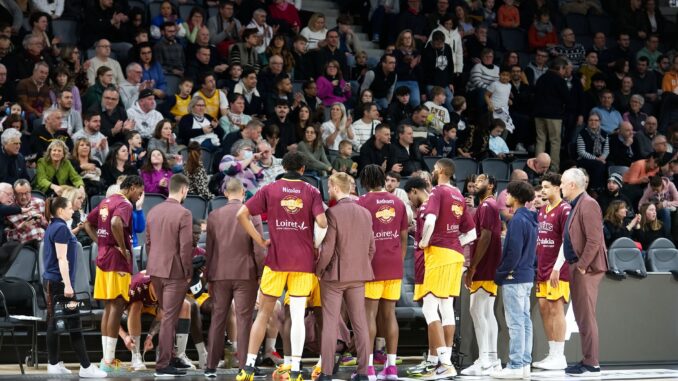
Photo by RODOLPHE ASENSI on Pexels
In an unexpected yet decisive move, the New York Police Department (NYPD) has announced a ban on spontaneous fan gatherings around Madison Square Garden (MSG) during Game 4 of the NBA Finals. This decision, spurred by security concerns, has left New York Knicks owner James Dolan, as well as a legion of Knicks fans, in dismay. With the team making its first NBA Finals appearance since 1999, the tension between public safety and fan enthusiasm is palpable.
Security Concerns Versus Fan Passion
The NYPD’s decision to prevent spontaneous gatherings around MSG is rooted in public safety, a justification that often clashes with the fervor of sports fans. Historically, significant sports events in New York have drawn large crowds, with fans turning out in droves to celebrate their teams. The Knicks’ current run in the NBA Finals has reignited this fervor, with fans eager to show their support collectively. However, the NYPD’s security plan aims to mitigate potential incidents that could arise from large, uncontrolled crowds.
James Dolan, known for his controversial leadership of the Knicks, has voiced his frustration over the ban, arguing that it dampens the excitement and communal spirit that sports are supposed to foster. In a city where basketball is more than just a game, the inability to gather at the iconic MSG—often deemed the ‘Mecca of Basketball’—feels like a loss of cultural expression for many New Yorkers.
Impact on Local Businesses and Community
Beyond the immediate fan experience, the ban has significant second-order effects on the local economy and community culture. Businesses surrounding MSG, including bars, restaurants, and merchandise vendors, often rely on the influx of fans during major events. The absence of these spontaneous gatherings could lead to a noticeable dip in revenue, affecting livelihoods in an already competitive urban marketplace.
Furthermore, for many fans, gathering outside MSG during games is a tradition that transcends mere spectating. It’s a communal experience that bonds people across diverse backgrounds, united by their love for the Knicks. The NYPD’s decision, while understandable from a security standpoint, risks eroding a piece of the city’s cultural fabric at a time when such communal interactions are most valuable.
Historical Context and Precedents
The NYPD’s cautious approach is not without precedent. Similar measures have been enacted during past large-scale events in New York, particularly those with a potential for large, enthusiastic crowds. The 2009 Yankees World Series win, for example, saw heightened security measures, though they did not include outright bans on gatherings. The decision to enforce such a measure now reflects an evolving landscape of urban safety concerns, influenced by recent global events and the increasing unpredictability of large-scale public gatherings.
Yet, this approach contrasts sharply with how other cities have handled similar situations. Cities like Los Angeles and Chicago, which have also faced large sports-related gatherings, have opted to manage these events through strategic deployment of law enforcement rather than outright bans. This dichotomy in approaches highlights the ongoing debate about the best way to balance public safety with the vibrancy and spontaneity that city events bring.
What This Means for the Knicks and Their Fans
For the Knicks, the NYPD’s move introduces a new dynamic in their quest for the championship. The team thrives on the energy of its fan base, and the restriction on gatherings may affect the palpable game-day atmosphere that players and fans alike cherish. The Knicks organization, along with Dolan, might need to explore alternative ways to engage with their fan base, such as virtual watch parties or coordinated online celebrations.
For fans, the restriction reshapes the narrative of what it means to support their team during this pivotal moment. The ban could serve as a catalyst for Knicks supporters to innovate in how they express their loyalty, perhaps fostering new traditions that blend digital engagement with physical enthusiasm. This shift could redefine how fan culture evolves in an increasingly digital world, where virtual communities are as vibrant as their physical counterparts.
Looking Ahead: Balancing Safety and Celebration
As the Knicks continue their finals campaign, the challenge lies in finding a balance between ensuring public safety and allowing fans to celebrate their team’s achievements. The ongoing conversation between city officials, the Knicks organization, and the broader New York community will be crucial in navigating this tension. Future decisions may set a precedent for how cities handle large public gatherings in the context of major sporting events, potentially influencing policies nationwide.
Ultimately, the NYPD’s decision highlights the complex interplay between security and celebration in urban environments. As cities like New York grapple with these issues, the necessity of innovative solutions that accommodate both safety and the human desire for communal experiences becomes increasingly clear. The Knicks’ finals run, whether successful or not, will undoubtedly leave a lasting impact on how such events are managed in the future.
Editorial Note: This article was produced with AI assistance and reviewed by the Celloraa editorial team for accuracy and clarity. It is intended for informational purposes only. Read our Editorial Policy.
Leave a Reply