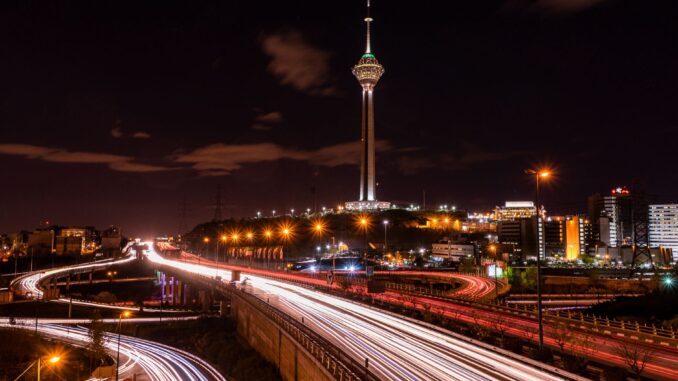
Photo by Majid Masajedi on Pexels
The prospect of an imminent peace deal between Iran and the United States once seemed as distant as the shores separating the two nations. Yet, the human stakes involved in such a potential reconciliation couldn’t be higher. For Iranians, it could mean the easing of sanctions that have crippled their economy, while Americans could see a reduction in the geopolitical tensions that have defined much of the past decade.
Decoding the Path to Diplomacy
The journey toward a deal has been arduous, marked by decades of enmity and mistrust. Recent developments, however, suggest a shift in the geopolitical landscape. Both Iranian and Pakistani officials have indicated that an agreement has never been closer, a sentiment echoed by former US President Donald Trump. The catalyst for this potential breakthrough appears to be a convergence of strategic interests, not just between the US and Iran but also involving key regional players like Pakistan.
Pakistan’s involvement underscores its historic role as a mediator in Middle Eastern conflicts. Islamabad’s diplomatic overtures reflect its desire to stabilize its borders and enhance its international standing. Meanwhile, Iran seeks relief from economic sanctions that have strangled its economy, while the US aims to reduce its military footprint in the Middle East, redirecting focus toward perceived threats from China and Russia.
Historical Echoes: Drawing Comparisons
The current negotiations echo the 2015 Joint Comprehensive Plan of Action (JCPOA), commonly known as the Iran nuclear deal. The JCPOA represented a landmark in US-Iran relations, lifting sanctions in exchange for Iran curtailing its nuclear program. However, the Trump administration’s withdrawal from the deal in 2018 reignited hostilities, demonstrating the fragility of diplomatic accords.
Another parallel can be drawn with the Camp David Accords of 1978, where US mediation led to a peace treaty between Egypt and Israel. The accords highlighted the potential for US diplomacy to reshape regional dynamics, a possibility now mirrored in the Iran-US context. Observers note that the current negotiations might replicate the intricate balancing act required to align disparate interests.
Key Players and Their Strategic Interests
The negotiations involve a tapestry of stakeholders, each with distinct agendas. Iran, under President Ebrahim Raisi, is motivated by economic imperatives and the desire to assert regional influence. The US seeks to recalibrate its Middle Eastern strategy, reducing direct military engagements in favor of diplomatic and economic influence.
Pakistan’s role as a facilitator is driven by its strategic interests, including maintaining stability in neighboring Iran and enhancing its own geopolitical relevance. Meanwhile, regional powers like Saudi Arabia and Israel watch closely, wary of shifts that might alter the Middle Eastern balance of power. Their concerns center on the potential empowerment of Iran, a longtime rival.
Global and Regional Implications
A successful agreement could herald a new era of Middle Eastern stability, reducing the likelihood of military confrontations and fostering economic cooperation. It may also influence global energy markets, as Iranian oil re-enters the international arena, potentially affecting prices and supply chains.
Regionally, a deal could recalibrate alliances and rivalries, prompting Gulf states to reassess their diplomatic strategies. For the US, it represents an opportunity to pivot toward Asia, focusing resources on emerging geopolitical challenges. However, the potential for destabilizing factors remains, particularly if internal political dynamics in Iran or the US shift, jeopardizing the agreement’s implementation.
What to Watch Next: The Fragile Road Ahead
Informed observers should pay attention to several critical factors as negotiations progress. The domestic political climates in both Iran and the US will play pivotal roles, influencing the sustainability of any agreement reached. Additionally, the reactions of regional powers like Saudi Arabia and Israel will be crucial in shaping the broader Middle Eastern response.
The most significant development to monitor is whether any formal accord includes mechanisms for addressing non-nuclear issues, such as Iran’s ballistic missile program or its regional proxy engagements. An agreement that encompasses these elements could pave the way for a more comprehensive and lasting peace.
As the world watches this delicate dance of diplomacy, the stakes remain high. The outcome will not only affect the lives of millions in Iran and the US but also reshape the geopolitical contours of the Middle East and beyond.
Editorial Note: This article was produced with AI assistance and reviewed by the Celloraa editorial team for accuracy and clarity.
It is intended for informational purposes only.
Read our Editorial Policy.
Leave a Reply