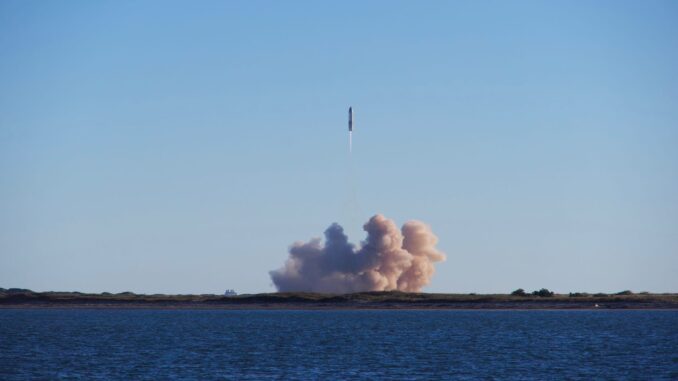
Photo by Forest Katsch on Pexels
SpaceX, the pioneering private aerospace manufacturer founded by Elon Musk, has officially entered the public market with its Initial Public Offering (IPO). This landmark event not only signifies a new chapter for SpaceX but also sets a precedent for the entire private space sector. The implications are vast, affecting investors, competitors, and the broader market landscape.
SpaceX’s Market Entry: Why It Matters
The most consequential development in SpaceX’s IPO is its valuation, rumored to be in the range of several hundred billion dollars. Such a valuation underscores the market’s confidence in SpaceX’s leadership in commercial spaceflight and satellite deployment. This IPO is not just a financial milestone but a strategic move that enhances SpaceX’s ability to fund ambitious projects like Mars colonization and the Starlink satellite network.
Going public equips SpaceX with increased capital to accelerate its plans, potentially outpacing competitors who remain privately funded. The public listing also provides SpaceX with a more transparent platform to engage with investors who are increasingly interested in sustainable and future-oriented ventures. This transparency could drive further investments and partnerships, reinforcing SpaceX’s market dominance.
Ripple Effects Across the Aerospace Industry
SpaceX’s public debut is likely to have significant ripple effects across the aerospace industry. For one, it sets a benchmark for other private space companies contemplating similar moves. Rivals like Blue Origin and Virgin Galactic must now reassess their strategies to remain competitive in a market where public funding can dramatically accelerate growth and innovation.
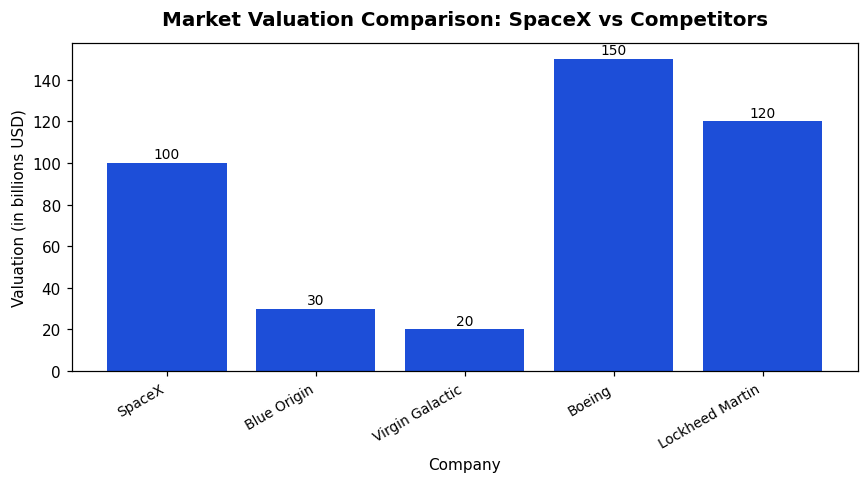
Moreover, the IPO could spur a wave of renewed investor interest in aerospace stocks, particularly those involved in satellite technology and commercial space travel. The newfound liquidity and public scrutiny might also lead to more collaborative ventures within the industry, as companies seek to leverage each other’s strengths in an increasingly competitive landscape.
Winners and Losers: Who Stands to Gain or Lose?
Among the clear winners are SpaceX’s early investors and employees, who stand to benefit from their equity stakes becoming liquid. The IPO may also bolster the broader tech and aerospace sectors, attracting more capital and talent to these industries. However, traditional aerospace giants like Boeing and Lockheed Martin might find themselves at a disadvantage, as they contend with a rapidly evolving market driven by agile, innovative players like SpaceX.
On the downside, smaller startups in the space sector could face heightened competition for funding and talent. As investors flock to SpaceX, these startups might struggle to attract the necessary capital to scale their operations. Additionally, the public listing places SpaceX under the microscope of market analysts and investors, increasing pressure to deliver consistent results.
What This Signals for the Space Sector
SpaceX’s IPO signals a maturation of the private space industry, highlighting a shift towards commercialization and sustainability. The move could pave the way for more public-private partnerships, as governments recognize the benefits of collaborating with financially robust private entities like SpaceX.
This development also underscores the increasing importance of space in global economic and strategic considerations. As companies like SpaceX push the boundaries of what’s possible, space is becoming a critical frontier for technological advancement and geopolitical influence.
Forward-Looking Perspectives
Looking ahead, SpaceX’s IPO could catalyze further innovations in the space sector, driving down costs and making space more accessible. It sets a precedent for how private companies can leverage public markets to achieve ambitious goals while maintaining a focus on innovation and sustainability. As SpaceX continues to evolve, its impact will likely extend beyond the aerospace industry, influencing sectors like telecommunications, defense, and climate monitoring.
For investors and industry stakeholders, the challenge will be to navigate this rapidly changing landscape, seizing opportunities while mitigating risks. The future of space exploration and commercialization hinges on the ability of companies like SpaceX to balance innovation with financial and operational discipline.
Editorial Note: This article was produced with AI assistance and reviewed by the Celloraa editorial team for accuracy and clarity. It is intended for informational purposes only.
Read our Editorial Policy.
Leave a Reply