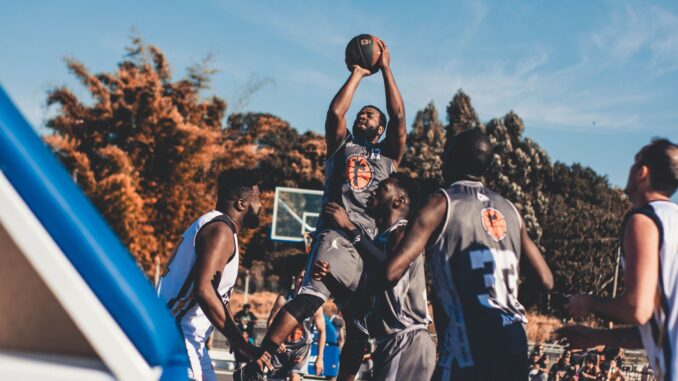
Photo by Wallace Chuck on Pexels
The euphoria of a historic New York Knicks NBA title win transformed into chaos on the streets of Manhattan late Saturday night, drawing attention to the complex interplay between civic celebration and public safety. As fans reveled in the Knicks’ victory over the San Antonio Spurs, the joyous atmosphere soured with reports of violence and vandalism, leading to at least 63 arrests. Among the incidents, a teenager was shot, and several buses were set ablaze, underscoring the darker side of communal sports celebrations.
The Night of Celebration Turns Violent
The Knicks’ triumph in the NBA Finals, their first title since 1973, was expected to be a momentous occasion for New York City. Fans poured into the streets, chanting and cheering in a city-wide festival of joy. However, as the night deepened, the celebratory mood gave way to unruly behavior. Reports emerged of crowds overturning vehicles, setting buses on fire, and clashing with law enforcement. The most alarming incident involved a teenager who was shot amidst the melee, illustrating the tangible risks when festivities devolve into disorder.
The New York Police Department (NYPD), which had anticipated large gatherings, was caught off guard by the scale and intensity of the unrest. Mayor Eric Adams, speaking at a press conference on Sunday, condemned the violence, emphasizing the need for both celebration and responsibility. “The Knicks’ victory is a moment for all New Yorkers to cherish, but it should never come at the cost of public safety,” Adams remarked.
Historical Parallels: Lessons from Past Sports Celebrations
This incident is reminiscent of past instances where sports victories have led to public disorder, raising questions about the management of such large-scale events. Comparisons have been drawn to the 1993 Chicago Bulls championship riots, where celebrations similarly spiraled into violence, resulting in significant property damage and numerous arrests. In both cases, the combination of high emotions, alcohol, and large crowds created a volatile environment.
Historians and sociologists often point to these events as examples of the thin line between celebration and chaos. The challenge for cities lies in balancing the spontaneous joy of sports victories with proactive measures to prevent violence and maintain order. New York City’s latest experience highlights the need for comprehensive strategies that include community engagement, effective policing, and clear communication with the public.
Impact on New Yorkers: Navigating the Fallout
The aftermath of the unrest has left many New Yorkers feeling uneasy, with concerns about safety and community cohesion at the forefront. For residents of areas like Times Square and surrounding neighborhoods, the damage to public infrastructure and the sense of insecurity are palpable. The torched buses and damaged property serve as stark reminders of the night’s events, affecting daily commutes and city services.
Local businesses, already grappling with economic challenges, face additional hurdles as they repair damage and recalibrate for potential disruptions. The incidents also raise broader questions about civic pride and the responsibilities of sports fans. Community leaders and city officials are urging New Yorkers to reflect on the events and consider how to channel passion for their teams into positive, constructive expressions.
Stakeholder Reactions: Diverse Perspectives Emerge
The reaction to the night’s events spans a wide spectrum. Knicks fans, while celebrating the team’s success, express frustration at how a few individuals tarnished the city’s reputation. “This was supposed to be a night of joy and unity,” said one fan, reflecting a widespread sentiment among the team’s supporters.
City officials, meanwhile, are facing criticism for their handling of the situation. Some community advocates argue that the city should have been better prepared, given the potential for large, rowdy crowds. Conversely, law enforcement officials stress the unpredictability of such events, noting the challenges of managing spontaneous gatherings.
Nationally, the incidents have sparked discussions about the responsibilities of sports teams and cities in managing celebrations. The NBA and other major sports leagues are increasingly aware of their role in promoting responsible fan behavior, emphasizing the importance of community partnerships in fostering safe environments.
Moving Forward: Strategies for Safer Celebrations
As New York City assesses the aftermath, the focus shifts to preventing similar incidents in the future. Experts advocate for a holistic approach that includes better planning and community engagement. This involves not only increased police presence but also collaboration with local leaders and organizations to foster a sense of shared responsibility among fans.
Looking ahead, the city may consider implementing designated celebration zones, where fans can congregate safely, and expanding public education campaigns about the impact of destructive behavior. These measures aim to create a balance where the joy of sports victories can be celebrated without compromising public safety.
Ultimately, the events following the Knicks’ victory serve as a reminder of the complex dynamics at play in urban celebrations. As cities like New York continue to host major sporting events, the challenge will be to harness the positive energy of these moments while safeguarding the welfare of the community.
Editorial Note: This article was produced with AI assistance and reviewed by the Celloraa editorial team for accuracy and clarity. It is intended for informational purposes only.
Read our Editorial Policy.
Leave a Reply