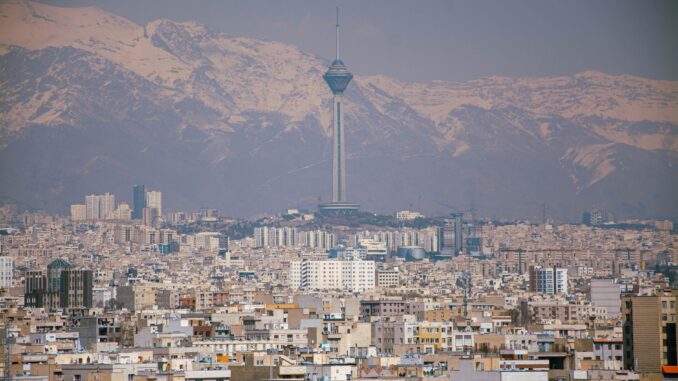
Photo by Mehdi Salehi on Pexels
Geopolitical Tensions and Fragile Peace in the Middle East
The Middle East has long been a theater of complex geopolitical tensions, with alliances and hostilities shifting like desert sands. In this volatile landscape, the recent truce between the United States and Iran offers a rare moment of cautious optimism. Designed to alleviate hostilities between Israel and Hezbollah, this truce is a crucial element in the broader pattern of regional dynamics, where peace and conflict are in constant flux. The agreement, however, is not an isolated event but part of a larger tapestry of diplomatic efforts aimed at achieving stability in this tumultuous region.
Lebanon finds itself at the heart of these developments. The country’s struggle with political fragmentation and economic crisis is emblematic of the broader Middle Eastern quest for peace and stability. The question that looms large is whether this truce represents a genuine step towards lasting peace or merely a temporary pause in a cycle of recurring conflict.
The Diplomatic Path to the US-Iran Truce
The journey to this truce was marked by a series of strategic diplomatic efforts and regional recalibrations. The United States, driven by a new administration’s desire to reengage diplomatically with Iran, laid the foundation for negotiations aimed at reducing regional tensions. This approach was met with mixed reactions, ranging from optimism among those hopeful for peace to skepticism among those well-versed in the fraught history of US-Iran relations.
Key to these efforts were backchannel communications and indirect talks, often facilitated by European intermediaries. These discussions addressed not only the immediate hostilities involving Hezbollah and Israel but also broader issues such as Iran’s nuclear ambitions and its involvement in regional proxy conflicts. Consequently, the truce is not just a bilateral agreement but a part of a more comprehensive strategy to foster stability in the Middle East.
For further insights into the complexities of military diplomacy, readers may explore the Pentagon’s AI-driven reporting, which highlights shifts in military bureaucracy and strategic engagements.
Historical Context: Learning from Past Peace Agreements
To gauge the potential longevity of this truce, it is instructive to examine historical precedents. The Taif Agreement of 1989, which brought an end to the Lebanese Civil War, serves as a pertinent example. Like the current truce, the Taif Agreement was achieved through international mediation and regional pressure. Its success, however, hinged on sustained international support and internal political reforms—factors that remain uncertain in today’s context.
Another instructive case is the 2015 Iran nuclear deal, formally known as the Joint Comprehensive Plan of Action (JCPOA). Initially celebrated as a milestone for regional stability, the agreement ultimately faltered due to shifting political landscapes and a lack of sustained commitment from involved parties. These historical precedents underscore the fragility of such agreements in the volatile Middle Eastern context.
Understanding these past agreements is crucial for assessing current diplomatic efforts. For instance, the BBC’s coverage of the JCPOA provides valuable context on the intricate dynamics of international negotiations with Iran.
Key Stakeholders and Their Divergent Interests
The truce involves a complex interplay of interests from various regional and international actors. For Iran, reducing tensions with the West offers respite from economic sanctions and an opportunity to adjust its regional strategy without the immediate threat of conflict. Hezbollah, Iran’s proxy in Lebanon, stands to benefit from decreased hostilities with Israel, allowing it to strengthen its political influence within Lebanon.
On the other hand, Israel approaches the truce with cautious skepticism, wary of Hezbollah’s intentions and Iran’s nuclear ambitions. The United States, meanwhile, seeks to stabilize a key geopolitical region, fostering an environment conducive to broader diplomatic engagements. These competing interests create a dynamic that will significantly influence the truce’s durability.
For a deeper understanding of regional dynamics and their implications, consider exploring Rivian’s industry context, which, while focused on a different sector, provides insight into how economic and political shifts can impact strategic decisions globally.
Implications for Lebanon and the Global Arena
The implications of the truce extend beyond Lebanon’s borders, affecting both regional and global landscapes. For Lebanon, a reduction in hostilities could offer a much-needed reprieve from its ongoing economic and political crises. However, the underlying tensions and unresolved issues remain potential flashpoints for future conflicts.
Globally, the truce serves as a test of diplomatic strategies that prioritize engagement over isolation. It highlights the shifting geopolitical landscape, where traditional alliances are being reevaluated, and new partnerships are emerging. The outcome of this truce could set a precedent for how similar conflicts are approached in the future.
The truce’s impact on Lebanon’s internal politics is particularly worth monitoring. Factions aligned with Hezbollah may seek to leverage the truce to their advantage, impacting the country’s political dynamics. Additionally, the international community’s role in supporting Lebanon’s economic recovery will be pivotal in determining whether this fragile peace can transform into lasting stability.
Future Developments to Monitor
In the coming months, observers will need to keep a close eye on several key areas. The implementation and adherence to the truce terms will be critical, as will the responses from other regional actors such as Saudi Arabia and Turkey. Additionally, any revival of negotiations over Iran’s nuclear program could significantly impact the truce’s sustainability.
The broader geopolitical ramifications of this truce cannot be understated. It has the potential to influence not only regional dynamics but also global diplomatic strategies. The international community’s engagement in the Middle East will be a determining factor in the success or failure of this fragile peace.
For those interested in the intersection of geopolitics and economic strategies, the financial dilemmas of inherited property article provides an intriguing perspective on how economic considerations can influence decision-making processes.
Editorial Note: This article was produced with AI assistance and reviewed by the Celloraa editorial team for accuracy and clarity. It is intended for informational purposes only.
Read our Editorial Policy.
Leave a Reply