
Photo by Quang Nguyen Vinh on Pexels
As gasoline prices dip below the $4 mark, albeit by the narrowest margin, the relief is palpable for families grappling with the relentless squeeze of inflation. For many, the price at the pump is more than just a number — it’s an indicator of economic strain or respite. This shift, however minor, carries significant weight in the everyday calculus of household budgets, particularly for middle and lower-income families who allocate a larger portion of their earnings to fuel.
Price Movement: A Fractional but Symbolic Shift
The latest data shows gasoline prices have edged just under the $4 threshold, a development anticipated by market watchers but significant due to its psychological impact. The national average now sits at $3.999 per gallon, a minuscule drop that nonetheless marks a critical psychological barrier for consumers who have grown weary of prolonged high prices. This minuscule shift underscores the volatile balance between supply dynamics and consumer demand.
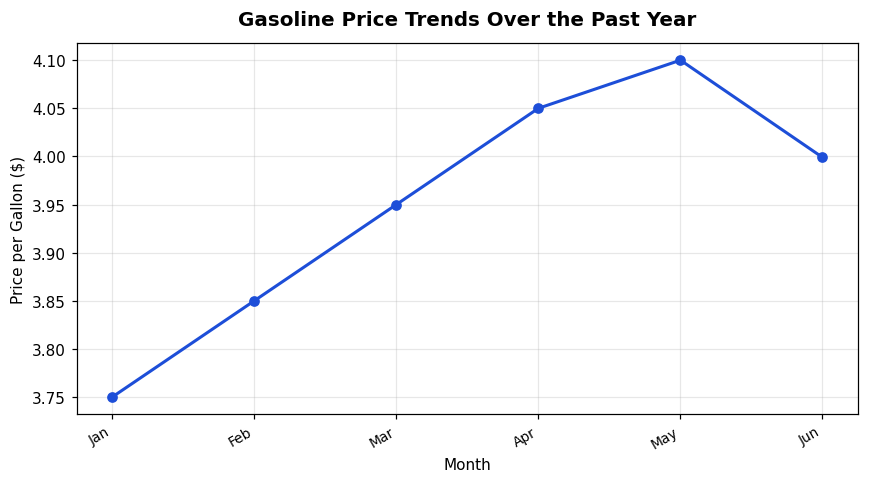
While the change is slight, it signals underlying shifts in the market. The steady pressure from elevated crude oil prices and geopolitical tensions had kept fuel costs stubbornly high. However, a combination of increased domestic production and strategic reserves being released has eased supply constraints temporarily, allowing this modest reduction.
Drivers and Catalysts: Market Dynamics at Play
Understanding the forces behind this price adjustment requires a look at both domestic policies and international circumstances. The recent increase in domestic oil production has been pivotal, facilitated by technological advancements and policy shifts encouraging exploration. Additionally, the release of strategic petroleum reserves has temporarily bolstered supply, providing a buffer against international disruptions.
Globally, tensions in oil-producing regions have seen a slight de-escalation, easing fears of severe supply disruptions. Moreover, OPEC’s recent decision to maintain production levels has contributed to stabilizing prices. However, these factors are fragile; any significant geopolitical event could swiftly reverse this trend.
Broader Economic Context: Inflation, Wages, and Spending
This price decrease comes at a time when inflation remains a dominant economic challenge. While the Consumer Price Index has shown signs of moderating, the cost of living continues to rise, affecting household spending power. Fuel prices, a significant component of transportation costs, directly impact the cost of goods and services, which in turn influences inflationary pressures.
For consumers, the dip in gasoline prices may translate into marginally lower transportation costs, potentially freeing up funds for other expenditures. However, with wage growth struggling to keep pace with inflation, the overall economic relief may be limited. The interplay between fuel prices, consumer confidence, and spending habits remains a complex and dynamic equation.
Impact on Consumers: Real-World Effects
For the average American driver, the drop in gasoline prices, although slight, can lead to a tangible difference in monthly expenses. For example, a household with two vehicles that consume 20 gallons each per week could save approximately $8 per month — not a windfall, but a welcome change nonetheless.
Beyond direct savings, the secondary benefits include potential reductions in the cost of goods, as transportation savings trickle down through supply chains. However, these effects might take time to manifest and are contingent upon sustained lower fuel prices. In the current economic climate, even small changes in expenditure patterns can have ripple effects, influencing broader economic trends.
Analysts’ Outlook: What Lies Ahead
Market analysts are closely monitoring several factors that could influence future gasoline prices. Chief among these is the trajectory of global oil production and geopolitical stability in key oil-producing regions. Domestically, the effectiveness of ongoing policy measures aimed at stabilizing energy markets will be critical.
Additionally, as the world continues to transition towards renewable energy sources, the traditional oil market faces longer-term structural changes. Any significant advancements or regulatory shifts in this area could have profound impacts on future fuel prices. In the short term, analysts caution that while the dip below $4 is a positive signal, it remains vulnerable to market fluctuations.
Ultimately, while the current price reduction is a step in the right direction, its sustainability will depend on a delicate balance of market forces and policy interventions. Consumers, meanwhile, will continue to watch the pump with keen interest, hoping for further relief.
Editorial Note: This article was produced with AI assistance and reviewed by the Celloraa editorial team for accuracy and clarity.
It is intended for informational purposes only.
Read our Editorial Policy.
Leave a Reply