
Photo by Reinis Brūzītis on Pexels
The National Basketball Association (NBA) is set to make a landmark decision by naming the winning bidders for 12 permanent European teams within the next 60 to 90 days. This move, announced by Deputy Commissioner Mark Tatum, marks a significant shift from the previously held assumption that expanding into Europe was a distant prospect. For years, the NBA’s international strategy focused more on exhibition games and digital outreach rather than establishing permanent teams across the Atlantic. Tatum’s announcement, however, signals a decisive pivot towards embedding the NBA’s presence firmly within the European sports market.
Shattering Assumptions: NBA’s European Ambitions
Until recently, the idea of the NBA planting its roots in Europe seemed speculative at best. Analysts and fans alike viewed Europe as a challenging market due to its existing stronghold of soccer, historically making it a tough battleground for basketball. The NBA had been perceived as cautious, opting for incremental engagement through exhibition games and leveraging digital platforms to grow its fan base without committing to the logistical complexities of establishing teams overseas.
This announcement redefines those assumptions, suggesting that the league has found viable solutions to these challenges. The decision to introduce 12 teams is ambitious, reflecting confidence in not only the market potential but also in overcoming operational hurdles such as travel logistics, time zone differences, and local market integration. This bold step indicates that the NBA sees Europe not just as a market for growth, but as an essential component of its future global strategy.
Market and Industry Context: A Competitive Sports Landscape
Europe’s sports market is predominantly dominated by soccer, with leagues like the English Premier League (EPL) and UEFA Champions League commanding vast audiences and revenues. The NBA’s move into this market is a strategic entry into an already competitive and crowded sports landscape. However, basketball has been steadily growing in popularity across Europe, particularly in countries like Spain, France, and Greece, which have strong domestic leagues and have produced top-tier talent for the NBA.
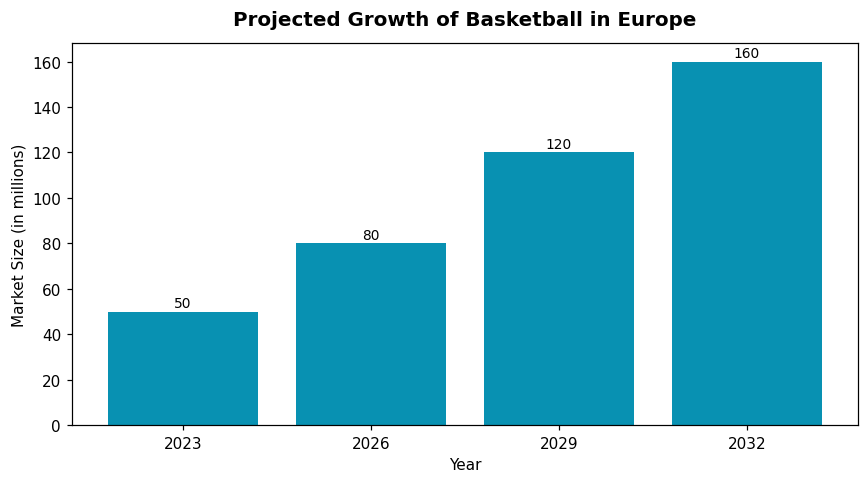
The league’s expansion strategy likely aims to tap into this existing interest and nurture it into a broader fan base. By establishing permanent teams, the NBA can cultivate local rivalries and fan loyalty, essential components for long-term success. This move also aligns with global trends of increasing sports consumption and the rise of digital platforms, which make following international sports easier for fans across the globe.
Winners and Losers: Stakeholders in the European Expansion
As with any major market shift, there are clear winners and losers in the NBA’s European expansion. On one hand, European basketball players and aspiring athletes stand to gain significantly. The presence of NBA teams offers more opportunities for homegrown talent to shine on a global stage without the need to relocate to the United States. This could lead to a surge in the quality of basketball training and infrastructure across the continent.
On the flip side, existing European basketball leagues and teams might face increased competition for talent and audience attention. The influx of NBA teams could pull both fans and players away from traditional local clubs, potentially straining their financial stability. However, this could also incentivize these leagues to innovate and improve their offerings to remain competitive, ultimately benefiting the sport in the region.
Signaling a New Era for Global Sports
The NBA’s decision to expand into Europe is emblematic of broader shifts in the sports industry towards globalization. This move not only diversifies the NBA’s revenue streams but also sets a precedent for other American sports leagues considering international expansion. The success or failure of this venture will likely be watched closely by the likes of the NFL and MLB, who may consider similar moves depending on the NBA’s outcomes.
Furthermore, this expansion reflects the growing importance of sports as a cultural and economic force globally. As more sports leagues look beyond their traditional borders, the dynamics of fan engagement and market competition are set to evolve. The NBA’s European teams could serve as a model for how to successfully integrate American sports into foreign markets, balancing local culture with global brand identity.
An Analytical Perspective: Challenges and Opportunities
The NBA’s European expansion is not without its challenges. Establishing a successful presence involves navigating complex regulatory environments, cultural differences, and logistical hurdles such as travel schedules and broadcasting rights. The league will need to invest heavily in marketing and community engagement to build a loyal fan base and compete with established sports entities.
However, the opportunities are equally significant. By positioning itself in Europe, the NBA can leverage its brand to attract sponsorships and partnerships with European companies, enhancing its commercial value. Additionally, this move could boost the NBA’s global media rights, providing a substantial revenue stream as viewership increases.
In conclusion, the NBA’s expansion into Europe represents a transformative moment for the league and the sports industry as a whole. By establishing a permanent foothold in Europe, the NBA is not only broadening its horizons but also redefining the boundaries of international sports engagement. The coming months will be pivotal in determining the long-term impact of this ambitious venture, as the league navigates new markets and sets the stage for a new era of global basketball.
Editorial Note: This article was produced with AI assistance and reviewed by the Celloraa editorial team for accuracy and clarity. It is intended for informational purposes only.
Read our Editorial Policy.
Leave a Reply