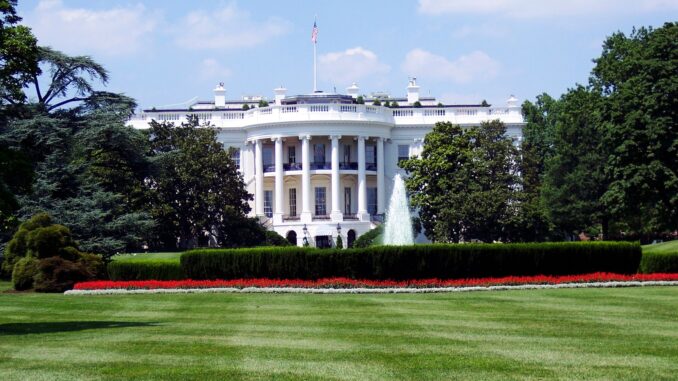
Photo by Aaron Kittredge on Pexels
Complex Legacy: Balancing Celebration and Critique
The opening of the Obama Presidential Center in Chicago marks a momentous occasion, drawing attention to both its celebratory essence and the controversies it has sparked. Set to open its doors to the public this weekend, the Center is designed to honor the 44th President of the United States, Barack Obama, with a museum and community amenities. However, the project’s journey has been fraught with tension, as the development intertwines with broader debates about gentrification, community revitalization, and historical preservation.
While many see the center as a ‘living celebration of community,’ others worry about its potential to accelerate gentrification in Chicago’s South Side, historically an economically challenged area. The Center promises to bring jobs and tourism, yet critics argue it could lead to increased property values and displacement of long-time residents. This dichotomy underscores the complexity of urban development projects, especially those linked to high-profile figures.
The Vision Behind the Obama Presidential Center
The Obama Presidential Center aims to serve as more than just a museum; it is envisioned as a hub of civic engagement and community empowerment. Located in Jackson Park, the Center includes a library, museum, classrooms, and a plaza designed to host public events. This reflects Obama’s commitment to fostering leadership and inspiring future generations.
The Center’s mission is to provide a space where people from diverse backgrounds can gather to exchange ideas and work towards common goals. According to the Obama Foundation, the center is designed to be a catalyst for positive change, promoting educational initiatives and community engagement activities. The center’s architecture, with its open and inviting spaces, is intended to reflect transparency and accessibility.
Impact on the Local Community: Hope and Concerns
For the residents of Chicago’s South Side, the Obama Center represents both hope and a source of anxiety. Proponents argue that the Center will bring much-needed investment and revitalization to the area, potentially creating thousands of jobs and boosting local businesses through increased foot traffic and tourism. The Chicago Tribune notes that the development is expected to attract hundreds of thousands of visitors each year, injecting vitality into the local economy.
Conversely, some community activists express concerns about the potential for displacement. The fear is that new developments will increase property taxes and rental prices, making it unaffordable for long-time residents. These concerns are not unfounded, as similar projects in other cities have sometimes led to gentrification and displacement, despite initial promises of community benefit.
Stakeholder Reactions: A Spectrum of Perspectives
The Obama Center has elicited a wide range of reactions from stakeholders across the spectrum. Political leaders, including Chicago’s Mayor, have lauded the center as a transformative project that will enhance the city’s cultural landscape and economy. They highlight the center’s potential to serve as a beacon of hope and progress, much like President Obama’s legacy itself.
Meanwhile, local residents and activists remain divided. Some community groups have welcomed the investment and job opportunities promised by the center, while others demand more concrete measures to protect current residents from potential economic displacement. The Protect Our Parks coalition has been particularly vocal, arguing that the project’s benefits should not come at the expense of the community’s historical and environmental assets.
Future Prospects: Navigating the Path Forward
As the Obama Presidential Center opens its doors, its future impact on the Chicago community will be closely monitored. The challenge lies in ensuring that the benefits of the center are equitably distributed among the local population. To address concerns, the Obama Foundation has committed to engaging with community leaders and residents to develop strategies that minimize displacement and enhance affordable housing options.
Looking ahead, the center’s success will depend on its ability to balance its dual roles as a national attraction and a local community resource. Continuous dialogue between stakeholders and adaptive policies will be crucial. The center has the potential to set a precedent for how presidential libraries can function as active, community-oriented institutions rather than static repositories of history.
As the nation watches, the Obama Presidential Center stands as a testament to the enduring impact of President Obama’s legacy, reflecting the complex interplay between political vision, community aspirations, and the realities of urban development.
Editorial Note: This article was produced with AI assistance and reviewed by the Celloraa editorial team for accuracy and clarity. It is intended for informational purposes only.
Read our Editorial Policy.
Leave a Reply