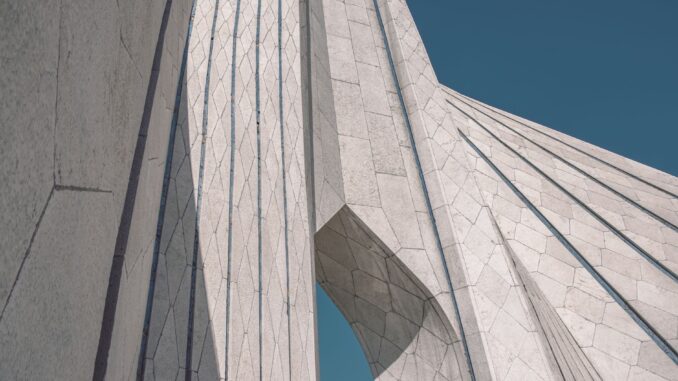
Photo by Mahdi Bafande on Pexels
The recent decision by the United States to lift its naval blockade on Iran has sparked a fervent debate over the motivations and implications of this move, particularly as Iran’s Supreme Leader, Ayatollah Ali Khamenei, criticized the agreement as a product of American desperation. This event represents a complex intersection of geopolitical strategies, historical tensions, and regional power plays that have shaped the Middle East for decades.
Conflicting Interests: US and Iran at a Crossroads
The crux of the current tension lies in the contrasting interests of the United States and Iran. For the US, lifting the blockade signals an attempt to de-escalate tensions and potentially open new avenues for diplomacy. However, the Iranian leadership perceives this move as a sign of weakness, with Ayatollah Khamenei openly declaring that former President Donald Trump entered the agreement out of desperation. The divergence in interpretation underlines the broader geopolitical chess game where both nations aim to assert their influence.
Historically, the US has maintained a strong naval presence in the Persian Gulf, often serving as a deterrent against what it perceives as Iranian aggression. This blockade, in particular, was part of a strategy to apply ‘maximum pressure’ on Iran, aiming to curtail its nuclear ambitions and limit its regional influence. The lifting of such a blockade, therefore, not only challenges the established status quo but also raises questions about the future of US foreign policy in the Middle East.
Historical Context: Echoes of Past Diplomacy
To understand the significance of this development, it is essential to consider the historical context. The US and Iran have been at odds since the 1979 Iranian Revolution, which drastically shifted the power dynamics in the region. Over the years, various US administrations have employed different strategies to manage relations with Iran, from direct confrontation to cautious engagement.
One notable precedent is the Joint Comprehensive Plan of Action (JCPOA) agreed upon in 2015, which was perceived as a diplomatic breakthrough. Yet, the subsequent US withdrawal from the deal in 2018 under the Trump administration marked a return to more adversarial tactics. The current situation echoes the strategic pivot that occurred during the JCPOA negotiations, where diplomatic overtures were met with skepticism from hardliners on both sides.
The Major Players: Regional Implications and Global Reactions
Beyond the US and Iran, other regional and global actors are closely watching these developments. Countries like Saudi Arabia and Israel, often adversaries of Iran, are likely to view the lifting of the blockade with concern, fearing that it could embolden Iran’s regional ambitions. These nations have historically relied on US military support to counterbalance Iranian influence, and any perceived reduction in US commitment could prompt them to reassess their strategic alliances.
On a global scale, powers such as Russia and China may see this as an opportunity to deepen their ties with Iran, potentially shifting the balance of power in the region. Russia has long been a supporter of Iran, particularly in Syria, while China has developed significant economic ties through its Belt and Road Initiative. These relationships could be further strengthened if Iran perceives a waning US influence.
Mechanisms of Change: The Underlying Dynamics
To the casual observer, the lifting of a naval blockade might seem like a straightforward diplomatic gesture. However, the underlying mechanics are far more intricate. Naval blockades are not merely military maneuvers; they are tools of economic and political pressure. By lifting the blockade, the US may be attempting to alleviate economic strain on Iran, thereby fostering a more conducive environment for negotiations.
Furthermore, this decision could be a strategic calculation aimed at reshaping the US’s role in the Middle East. Amid shifting global priorities, particularly with the rise of China and the ongoing conflict in Ukraine, the US might be seeking to recalibrate its focus and resources. This move could be part of a broader strategy to engage in multilateral diplomacy, reducing direct confrontations while leveraging alliances to maintain influence.
Looking Ahead: What Informed Observers Should Watch
The unfolding situation calls for close observation of several key factors. First, the reaction of Iran’s regional neighbors will be crucial. Any significant shift in their military or diplomatic postures could signal broader regional realignments. Additionally, the response from international bodies such as the United Nations or the European Union might indicate potential avenues for broader diplomatic engagement.
Observers should also monitor the internal dynamics within Iran, particularly the influence of hardliners who have consistently opposed rapprochement with the West. Domestically, the lifting of the blockade could either empower moderates advocating for economic relief or strengthen hardliners who view the move as a victory against Western pressure.
Ultimately, the more significant development here is not merely the lifting of the blockade itself but what this decision signifies about the future of US-Iran relations and the broader geopolitical landscape. As the situation evolves, it will be essential to assess how this action fits into the larger strategic objectives of the US and its allies, as well as its impact on regional stability.
Editorial Note: This article was produced with AI assistance and reviewed by the Celloraa editorial team for accuracy and clarity. It is intended for informational purposes only.
Read our Editorial Policy.
Leave a Reply