
Photo by Alex Dos Santos on Pexels
Shifting Priorities in Hiring: Experience Over Grades
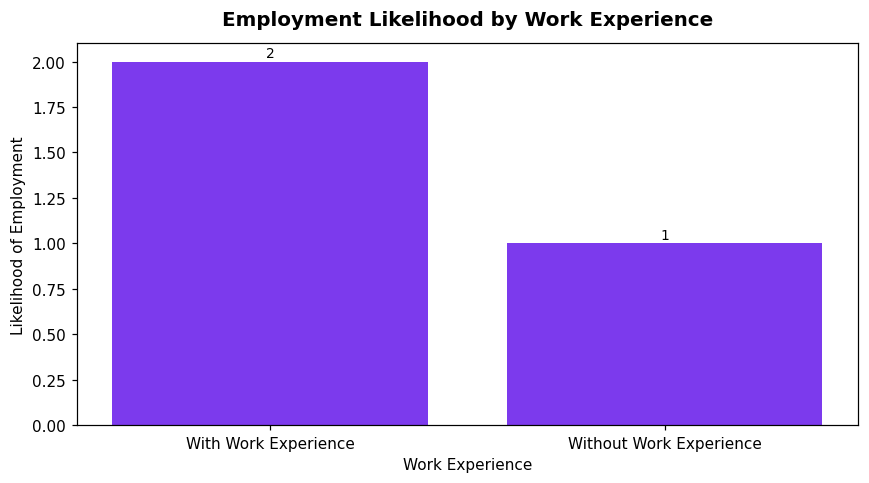
The evolving job market landscape is increasingly valuing practical work experience over academic excellence, a trend underscored by recent data showing that college students with any work experience are twice as likely to find employment soon after graduation. This shift reflects broader changes in hiring practices, where employers prioritize skills and experience that translate directly into workplace competence. The emphasis on a perfect 4.0 GPA appears to be waning as companies seek candidates who have demonstrated their ability to thrive in real-world environments.
Historically, academic achievements were seen as a primary indicator of a candidate’s potential. However, the modern economy, driven by rapid technological advancements and shifting industry needs, demands agility and practical skills. Employers are increasingly looking for candidates who not only understand theoretical concepts but can also apply them effectively in diverse professional settings. This pivot has significant implications for how students approach their college education and extracurricular activities.
Learning from the Past: The Rise of Skill-Based Hiring
This trend is reminiscent of the post-2008 financial crisis era when employers began to scrutinize new graduates more closely, focusing on practical skills amidst economic uncertainty. During that period, the value of internships and co-op programs surged as students sought to distinguish themselves in a crowded job market. The current shift can be seen as a continuation of this pattern, with a renewed focus on experiential learning.
Similar trends were observed in the tech industry during the early 2000s dot-com bubble burst. Companies that survived the downturn prioritized candidates with hands-on tech experience over purely academic credentials. This historical precedent suggests that during times of economic transition, the emphasis on practical experience intensifies as companies seek to mitigate risk by hiring well-rounded candidates.
The Economic Context: Why Experience Matters More Now
The current labor market is characterized by low unemployment and a high demand for skilled workers, particularly in sectors like technology, healthcare, and renewable energy. This demand has led employers to reassess traditional hiring criteria. The ability to adapt quickly and perform effectively in a dynamic environment is more crucial than ever, making tangible work experience a valuable asset.
Furthermore, the gig economy’s rise has contributed to this shift. As more companies adopt flexible work arrangements, they require employees who can manage varied tasks and responsibilities without extensive onboarding. This need for adaptability underscores the importance of having a diverse skill set, which is often developed through direct work experience rather than academic achievement alone.
Impact on Students: Navigating New Career Preparation Strategies
For college students, this trend necessitates a strategic reevaluation of their career preparation approaches. While maintaining a strong academic record remains important, students are increasingly encouraged to pursue internships, part-time jobs, and other practical experiences to enhance their résumés. Institutions are also responding by expanding cooperative education programs and strengthening industry partnerships to provide students with more opportunities to gain work experience before graduating.
The impact of these changes is profound. Students are learning to balance academic obligations with professional development, which can be challenging but ultimately rewarding. This approach not only prepares them for the job market but also equips them with the resilience and resourcefulness needed to succeed in today’s economy.
What Analysts and Employers Are Watching
As this trend continues, analysts are keeping a close eye on how educational institutions adapt their curricula to meet the evolving needs of the job market. There is a growing expectation for schools to integrate experiential learning into their programs, ensuring that graduates possess both the theoretical knowledge and practical skills required by employers.
Employers, on the other hand, are monitoring how these changes affect workforce quality. They are particularly interested in how experiential learning translates into employee performance and retention. The success of this approach is likely to influence future hiring practices, potentially leading to further shifts away from traditional emphasis on academic achievements.
The broader implications of this trend are substantial. As the job market continues to evolve, the value of work experience is poised to increase further, potentially redefining educational priorities and career preparation strategies. For students, adapting to these changes will be crucial in positioning themselves for success in a competitive and dynamic job market.
Editorial Note: This article was produced with AI assistance
and reviewed by the Celloraa editorial team for accuracy and clarity.
It is intended for informational purposes only.
Read our Editorial Policy.
Leave a Reply