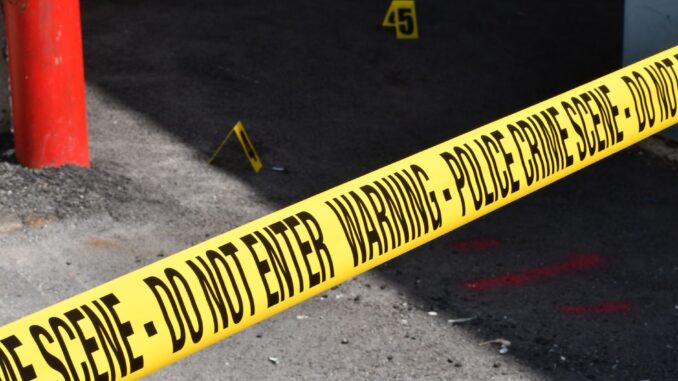
Photo by Siobhan Howerton on Pexels
In a tragic turn of events, a shooting incident in Montreal has upended a long-standing sense of safety and stability within the city’s law enforcement community. For the first time in 24 years, a Montreal police officer was killed in the line of duty, a stark reminder that even cities with relatively low crime rates are not immune to sudden bursts of violence. The incident also resulted in the deaths of a civilian and the suspect, marking a day of mourning and reflection for the city.
The Incident: What Happened?
The shooting occurred on June 23, 2026, in a typically quiet neighborhood of Montreal, disrupting the usual calm with a sequence of tragic events. According to police reports, officers were responding to a call about a domestic disturbance. Upon arrival, they were confronted by a suspect who opened fire, leading to a deadly exchange. The suspect, whose motives remain unclear, fatally shot an officer and a civilian before being shot by the police.
This incident has not only claimed lives but has also shattered a two-decade-long period without an officer fatality in the line of duty. Such occurrences remind us that law enforcement officers face unpredictable risks every day, even in cities considered safe. The death of an officer deeply impacts the morale and operational dynamics of police forces, affecting how they approach future incidents.
Policy and Institutional Context
Montreal’s police force, like many across Canada, operates under a framework that emphasizes community policing and minimal force. The city’s approach has historically focused on de-escalation and building community relationships to prevent violence. This method has been largely successful, contributing to Montreal’s reputation as one of the safer major cities in North America.
However, this tragic event raises questions about the adequacy of current strategies in dealing with sudden, violent threats. It also highlights the complexities involved in balancing community-oriented policing with the need to protect officers and citizens from harm. The police force may need to re-evaluate its training programs, emergency response protocols, and community engagement strategies in light of this incident.
Concrete Effects on Daily Lives
The ramifications of the shooting extend beyond the immediate loss of life, affecting the broader community and the daily lives of Montreal residents. For many, the incident has heightened anxiety about safety and security, particularly regarding the potential for similar events in their neighborhoods. Schools and local businesses in the area have reported increased concern from parents and customers, prompting discussions about safety measures.
Moreover, the incident may influence public perception of police effectiveness and community trust. While Montreal has prided itself on a strong relationship between its police force and the public, this event could strain that bond, prompting calls for increased transparency and dialogue between law enforcement and residents.
Diverse Reactions from Stakeholders
Reactions to the shooting have varied widely among different stakeholder groups. Law enforcement officials have expressed grief and solidarity, highlighting the sacrifices officers make to protect their communities. Montreal’s police chief has called for a period of mourning and reflection, emphasizing the need for support from both the community and policymakers.
Community leaders and advocacy groups are calling for a thorough investigation into the incident, seeking to understand the circumstances that led to the escalation. Some groups have used the incident to advocate for broader police reforms, arguing that systemic changes are necessary to prevent future tragedies. Meanwhile, city officials are focused on providing resources to support affected families and communities while ensuring a transparent review process.
Looking Ahead: What Comes Next?
The aftermath of the Montreal shooting will likely prompt a series of investigations and policy discussions aimed at preventing similar occurrences. The police department is expected to conduct an internal review to assess their response and identify areas for improvement. This may include revisiting training programs, especially those related to handling high-risk situations and mental health crises.
On a broader scale, the incident could influence national conversations about policing and public safety. Canadian policymakers may consider revising laws and regulations to better support both law enforcement and community safety. The tragedy could serve as a catalyst for change, prompting a reevaluation of public safety policies not only in Montreal but across Canada.
Ultimately, the challenge lies in addressing the root causes of such violence while maintaining public trust and ensuring the safety of both officers and civilians. As the city mourns, there is an opportunity to foster dialogue and implement measures that enhance community resilience and cohesion.
Editorial Note: This article was produced with AI assistance and reviewed by the Celloraa editorial team for accuracy and clarity. It is intended for informational purposes only.
Read our Editorial Policy.
Leave a Reply