
Photo by Nicolas Foster on Pexels
In a surprising turn of events, Microsoft, a stalwart of stability and growth in the tech sector, is experiencing a historic stock downturn this June. This shift defies the expectations of many investors who have long viewed the company as a bastion of free cash flow and prudent fiscal management. For years, Microsoft has been seen as a safe bet, with its stock largely appreciating thanks to strong fundamentals and consistent performance. However, recent strategic decisions have rattled that perception, leading to a significant decline in investor confidence and stock value.
Investor Shock: From Stability to Uncertainty
Traditionally, Microsoft has been lauded for its robust free-cash-flow profile, offering investors a sense of security in a volatile market. This reputation is now under scrutiny as the company embarks on a bold but costly capital-intensity cycle. The unexpected shift towards heavy spending has left investors uneasy, asking them to essentially underwrite these new, riskier ventures. This shift is not merely a financial adjustment; it represents a fundamental change in how Microsoft is positioning itself for the future. The company is aggressively investing in various sectors, from cloud computing to artificial intelligence, requiring significant capital outlay.
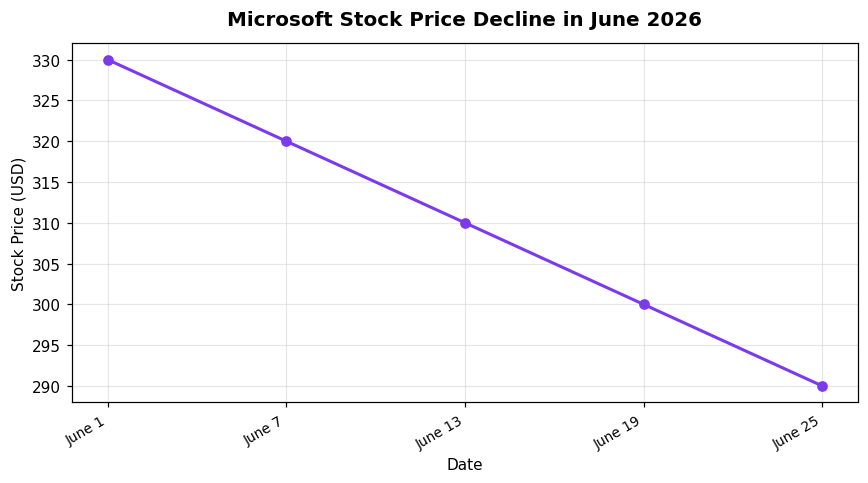
This pivot has been met with skepticism by the market, primarily because such spending is expected to impact Microsoft’s free cash flow in the short term. Investors accustomed to steady returns are now faced with the prospect of delayed gratification, which has led to a sell-off. As of late June, Microsoft’s stock price has dropped significantly, marking one of the steepest declines in its recent history. This downturn is particularly notable given the company’s previous resilience to market fluctuations.
Historical Parallels: Learning from Past Market Reactions
To understand the current investor response, it’s helpful to look back at similar historical situations. One notable precedent is IBM in the early 1990s. Much like Microsoft today, IBM was a technological giant that decided to undergo a transformative shift, investing heavily in new technologies. At the time, IBM’s move was to pivot from hardware to services and software, a transition that initially spooked investors unprepared for such a dramatic strategic realignment. The market reaction was initially negative, with IBM’s stock suffering as a result. However, in the long run, the shift proved successful, revitalizing IBM’s business model and leading to substantial growth.
Another relevant example is Apple’s strategic pivot in the early 2000s, focusing on consumer electronics with significant investment in product development and supply chain enhancements. This decision initially led to skepticism among investors who were used to Apple’s focus on computers. However, Apple’s willingness to invest heavily in these new areas eventually paid off, transforming the company into one of the most valuable in the world.
These examples suggest that while market reactions to significant strategic shifts can be severe in the short term, they do not necessarily predict long-term outcomes. For Microsoft, the challenge lies in effectively communicating its vision and demonstrating progress to reassure investors that the current spending spree is a calculated risk aimed at securing future growth.
Broader Economic Context: Navigating a Complex Landscape
Microsoft’s decision to ramp up spending comes at a time of broader economic uncertainty. The global economy is grappling with various challenges, including inflationary pressures, geopolitical tensions, and post-pandemic recovery efforts. These factors contribute to an environment where investors are particularly sensitive to perceived risks and uncertainties.
The tech industry, in particular, is facing increased scrutiny as governments worldwide call for greater regulation and oversight. This regulatory landscape adds another layer of complexity for companies like Microsoft, which must balance growth ambitions with compliance and risk management. Additionally, the company’s competitors are also making significant investments, intensifying the race for technological supremacy in cloud computing and AI.
Microsoft’s strategic spending, therefore, needs to be understood within this larger framework where innovation is critical, but so is the ability to adapt to regulatory and economic shifts. The company’s leadership must navigate these waters carefully to ensure that its investments translate into tangible benefits, both for the company and its shareholders.
Concrete Effects on Ordinary People: Beyond the Stock Market
While the immediate impact of Microsoft’s stock downturn is most keenly felt by investors, the ripple effects extend beyond the financial markets. Microsoft’s spending spree is likely to have significant implications for its workforce and consumers. On the one hand, increased investment in technology could lead to job creation in sectors like AI development, cloud services, and cybersecurity. These areas are poised for growth, and Microsoft’s expansion efforts might provide new opportunities for skilled professionals.
However, the focus on new technologies and markets may also result in shifts within the company, possibly impacting existing roles and departments as resources are reallocated. Consumers might see changes in Microsoft’s product offerings, with potential innovations enhancing services like Azure and Office 365. These developments could improve user experience but might also come with increased costs as Microsoft seeks to cover its capital expenditures.
Ultimately, the company’s strategic choices will have a long-term impact on how ordinary people interact with Microsoft’s products and services, influencing everything from workplace productivity tools to personal computing experiences.
What Analysts Are Watching: Key Indicators and Future Developments
As Microsoft navigates this challenging period, analysts are closely monitoring several key indicators that could signal the company’s trajectory. These include the pace and scope of its technological advancements, market share gains in cloud computing, and the effectiveness of its AI initiatives. Additionally, Microsoft’s ability to manage operational costs while pursuing growth will be crucial in determining its financial health.
Investors and analysts alike are also paying attention to Microsoft’s communication strategies. Transparency and clarity in outlining the rationale behind its spending and the expected outcomes will be vital in rebuilding market confidence. Furthermore, any strategic partnerships or acquisitions could significantly impact investor sentiment and stock performance.
In the coming months, Microsoft’s quarterly earnings reports will provide critical insights into whether its investments are beginning to yield the desired returns. These reports will be scrutinized for evidence of progress and potential adjustments to the company’s strategic plans.
Looking forward, Microsoft’s journey through this capital-intensive phase will be a telling case study in how a tech giant can leverage innovation while managing investor expectations. The more significant development here is whether Microsoft’s bold strategy will redefine the company’s future success and influence broader market trends.
Editorial Note: This article was produced with AI assistance and reviewed by the Celloraa editorial team for accuracy and clarity. It is intended for informational purposes only. Read our Editorial Policy.
Leave a Reply