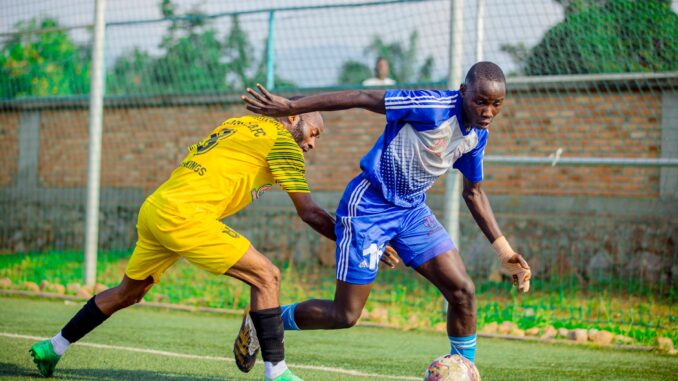
Photo by Chris wade NTEZICIMPA on Pexels
The US Men’s National Team was already deep in contingency planning. Coaches had drawn up attacking patterns without their leading scorer; locker-room messages were being recalibrated to inspire a squad that might have to face Belgium without its most clinical finisher. Then, on Sunday afternoon, the call came from Zurich. FIFA’s disciplinary committee had suspended the red card shown to Folarin Balogun in the group-stage match against Bosnia-Herzegovina. The striker, who feared his tournament was effectively over, is now cleared to lead the line in the round of 16.
The decision, announced on July 5, 2026, reverses a suspension that would have sidelined Balogun for one of the most consequential knockout matches in US soccer history. For the millions of American fans who had spent the weekend refreshing social feeds in search of an appeal update, the news landed like a stoppage-time equalizer. But beneath the relief lies a more layered story—one of disciplinary protocol, tactical recalibration on both sides, and the sort of second-order consequences that rarely make it into match previews.
The Disciplinary Reversal: How FIFA Reached Its Verdict
The red card Balogun received during the USMNT’s final group-stage match against Bosnia-Herzegovina had initially appeared straightforward: a late challenge, a flash of color from the referee, and a player walking off with his head in his hands. FIFA’s disciplinary code allows for the review of cards issued in error—whether because of mistaken identity, a clear misapplication of the laws, or video evidence that overturns the referee’s judgment. In this case, the committee reviewed footage and determined that the contact did not meet the threshold for serious foul play or violent conduct.
While FIFA did not release the full reasoning, the suspension effectively means Balogun enters the Belgium match with a clean slate—no carryover yellow-card accumulation, no suspended ban awaiting a future infraction. For the USMNT, this is the best possible outcome: they retain their attacking fulcrum without having to burn a substitution or change formation out of necessity. The decision also underscores FIFA’s willingness to intervene when technology provides clarity, a trend that could reshape how teams approach borderline tackles in future tournaments.
Beyond the Starting XI: The Second-Order Effects Most Coverage Misses
Most analysis will focus on Balogun’s return to the lineup—rightly so, as he has been the team’s primary goal threat. But the suspension’s reversal creates ripple effects that extend far deeper than one player’s name on the team sheet. First, there is the morale component. A teammate facing a critical ban can fracture a squad’s focus; players begin operating with an edge of caution, subconsciously protecting a colleague who might not be there next game. Now the US camp can train with full commitment, knowing their most dangerous forward will lead the charge.
Second, the coaching staff had likely built two separate game plans: one with Balogun, one without. The “without” version probably involved a different primary attacker—perhaps a false nine or a more defensive-minded setup designed to counter Belgium’s creativity. Scrapping that alternate plan at the last minute sounds liberating, but it also means mental energy spent on the revised approach could have been better allocated had the ruling come earlier. The US staff will need to ensure the squad doesn’t suffer from whiplash as they revert to Plan A.
Third, and perhaps most overlooked, is the effect on Belgium’s preparation. The Belgian coaching staff, led by Domenico Tedesco, had likely spent the past 48 hours drilling a defensive setup that accounted for the absence of the US’s primary finisher. Now they must recalibrate on the fly. Their video sessions, scouting reports, and set-piece marking assignments all assumed a US attack without its focal point. That work is now partially wasted—and the emotional swing (from expecting a weakened opponent to facing a full-strength one) can disrupt even the most disciplined team.
Belgium’s Dilemma: Preparing for Two Different US Attacks
Belgium’s defensive spine—Jan Vertonghen, Wout Faes, and perhaps even an emerging young center-back—had been readying for a US side likely to rely on Christian Pulisic and Timothy Weah in wide areas, with a more fluid front line. Without Balogun, the US would have lacked a true No. 9 to occupy central defenders, allowing Belgium to compress space and funnel attacks into less dangerous avenues. Now, the Red Devils must account for a player who has scored in high-pressure moments and thrives on service from the flanks.
This forces a tactical hedge: do Belgium press higher to disrupt service to Balogun, or do they drop deeper to deny him space in the box? Each option leaves vulnerabilities. Pressing high risks exposing the back line to pace on the counter; dropping deep invites sustained possession and set-piece threats. Tedesco’s answer will define the early minutes. If Belgium over-adjusts, the US can exploit the confusion. If they under-adjust, Balogun may find himself in the sort of one-on-one situations he has punished all tournament.
What the Ruling Says About FIFA’s Approach to Disciplinary Appeals
The suspension of a red card this close to a knockout match is not unprecedented—FIFA has overturned bans on technicalities before—but it remains rare enough to be notable. The speed of the review (the match was played on July 3 or 4; the decision came on July 5) suggests that FIFA prioritized fairness over procedural delays, a welcome departure from the glacial pace of some other sporting bodies. For the USMNT, the quick turnaround was essential; any delay beyond Sunday would have left the team in limbo during final training.
This case also highlights the growing role of video evidence in shaping outcomes post-match. While VAR exists to correct clear errors during play, the disciplinary committee’s willingness to overrule a red card after the fact signals that technology is now part of the entire justice chain—from pitch to hearing room. Future teams may be more likely to challenge borderline red cards, knowing that a transparent review system exists. The precedent could change how players approach tackles in high-stakes matches, especially if they believe a potential error can be rectified within days.
Looking Ahead: Can the USMNT Capitalize on the Reprieve?
Having Balogun available does not guarantee victory against Belgium—it merely removes one immense obstacle. The USMNT still faces a side with elite midfield talent, veteran defenders, and a knockout-stage pedigree that dwarfs their own. The more significant development here is the psychological reset. The squad no longer has to answer questions about whether they could have won with their best striker. Now the focus shifts entirely to execution: can they create chances for Balogun, and can he finish them against a goalkeeper like Koen Casteels?
The pressure also shifts to Belgium. They now face a US team that has been handed an unexpected second chance—a reprieve that can galvanize a locker room like few other events. If the Americans ride this emotional wave into a disciplined defensive performance and a clinical attacking display, they will have every chance of advancing. But the real test will come not in the first 20 minutes, but in the final quarter of the match, when fatigue sets in and the score line might be level. That is when composure—earned from knowing your best player is still on the field—can make the difference between a historic win and a missed opportunity.
Editorial Note: This article was produced with AI assistance and reviewed by the Celloraa editorial team for accuracy and clarity. It is intended for informational purposes only. Read our Editorial Policy.
Leave a Reply