
The announcement of a landmark agreement between the United States and Iran, leading to the reopening of the Strait of Hormuz, has sent ripples through global markets. This strategic move has resulted in a notable drop in oil prices and a surge in global stock markets. The reopening of this vital maritime chokepoint marks a significant geopolitical development with far-reaching economic implications.
Unpacking the Impact of the Strait of Hormuz Reopening
The Strait of Hormuz, a narrow waterway connecting the Persian Gulf to the Arabian Sea, is one of the most critical maritime passages for oil transportation. Approximately 20% of the world’s petroleum passes through this strait. Its reopening alleviates fears of supply disruptions that had previously driven oil prices upward. The agreement between the US and Iran, therefore, is more than just a diplomatic breakthrough; it is a financial lifeline for economies dependent on stable oil markets.
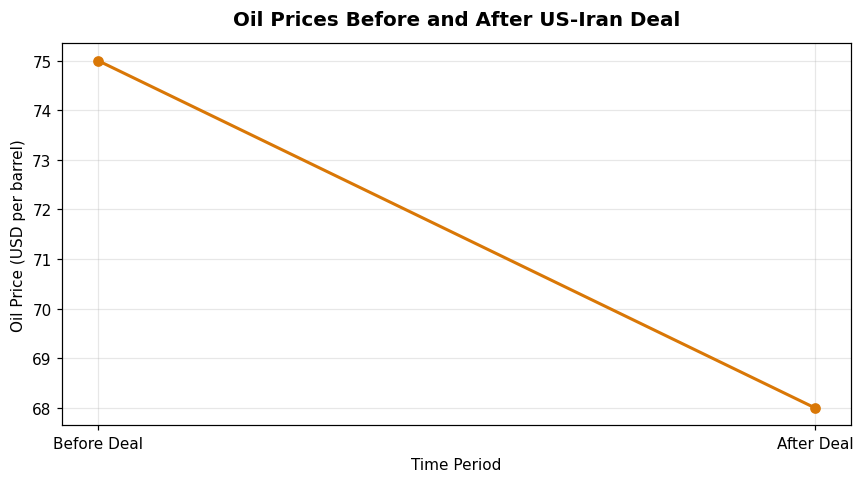
Oil prices, which had been under pressure due to geopolitical tensions, have now seen a decline. This is primarily due to the anticipated increase in the oil supply chain’s fluidity and reliability. Countries that rely heavily on oil imports, particularly in Asia and Europe, stand to benefit significantly. Meanwhile, the lower prices could strain budgets in oil-exporting nations, highlighting the complex web of interests at play.
Understanding the Stakeholders and Their Interests
The US, under President Donald Trump, has been a major player in this diplomatic effort. Trump’s administration has been keen on de-escalating tensions in the Middle East to ensure energy security and maintain economic stability, especially as the US approaches its next presidential election cycle. The reopening of the Strait is a diplomatic victory that bolsters his administration’s foreign policy credentials.
Iran, on the other hand, views the agreement as a means to alleviate economic sanctions and improve its international standing. The Iranian economy has been severely impacted by sanctions, and reopening the Strait offers a crucial economic reprieve. For Iran, this deal is not just about oil but also about regaining economic sovereignty and stability.
Other regional players, including Saudi Arabia and the United Arab Emirates, have vested interests in the outcome. Both countries are keen on ensuring that the oil markets remain stable but may harbor concerns about Iran’s increasing influence following the agreement. The dynamics among these Gulf states could shape the future geopolitical landscape of the region.
Historical Context: Echoes of Past Diplomacies
This agreement harkens back to previous diplomatic efforts to ensure stability in the region. Notably, the 2015 Joint Comprehensive Plan of Action (JCPOA), commonly known as the Iran nuclear deal, sought to limit Iran’s nuclear capabilities in exchange for sanctions relief. Although the current agreement does not directly address nuclear issues, it similarly reflects a broader strategy of engagement rather than isolation.
Historically, the Strait of Hormuz has been a flashpoint for military confrontations, including the Iran-Iraq War and more recent tensions involving naval forces. The agreement to keep the Strait open is reminiscent of past efforts to mitigate conflict in the region, underscoring the enduring importance of diplomacy in resolving complex geopolitical challenges.
Global and Regional Implications
The implications of this agreement are profound, both globally and regionally. For the global economy, lower oil prices could stimulate growth by reducing energy costs for businesses and consumers. This is particularly relevant in inflation-sensitive economies, where energy prices play a crucial role in overall inflationary pressures.
Regionally, the agreement may alter power dynamics within the Middle East. Iran’s enhanced economic position could shift alliances and rivalries, influencing everything from trade agreements to military cooperation. Countries like China and Russia, which have strategic interests in the region, will be closely monitoring these developments.
The reduction in tensions also provides an opportunity for international bodies, such as the United Nations, to play a more active role in fostering long-term stability in the region. The potential for renewed diplomatic initiatives, focusing on broader security and economic cooperation, is now more feasible.
What to Watch Next in the Geopolitical Arena
As the world absorbs the ramifications of this agreement, informed observers will be watching several key developments. The implementation of the deal’s terms, particularly the logistics of ensuring safe passage through the Strait, will be critical. Any failure to uphold the agreement could reignite tensions and disrupt markets once more.
The response of other regional actors, such as Israel and the Gulf Cooperation Council, will also be telling. Their strategic adjustments, in light of Iran’s potential resurgence, will influence the region’s security architecture. Additionally, the agreement’s impact on global oil markets will be keenly observed, especially concerning the policies of major oil-producing nations.
Ultimately, while the reopening of the Strait of Hormuz represents a significant diplomatic achievement, the broader geopolitical landscape remains complex and fluid. Continued engagement and negotiation will be essential to ensure that this agreement serves as a foundation for lasting peace and stability in the region.
Editorial Note: This article was produced with AI assistance and reviewed by the Celloraa editorial team for accuracy and clarity. It is intended for informational purposes only. Read our Editorial Policy.
Leave a Reply