The U.S. stock market, often a barometer for economic sentiment, is expected to enter a period of heightened volatility over the next two weeks. This forecast comes amidst a backdrop of shifting economic indicators, geopolitical tensions, and policy recalibrations that have defined the financial landscape in recent months. While market fluctuations are nothing new, understanding the underlying drivers and implications of this specific period can offer valuable insights into the broader economic context.
Anticipated Movements and Market Reactions
According to Scott Rubner, a strategist at Citadel, the upcoming fortnight is poised to be one of the most consequential intervals for U.S. stocks this year. Rubner’s analysis suggests that this period could present unique buying opportunities, a sentiment that reflects a broader trend of strategic market timing among investors. The anticipated volatility is not merely a random occurrence but rather a reflection of accumulated economic pressures and investor sentiment.
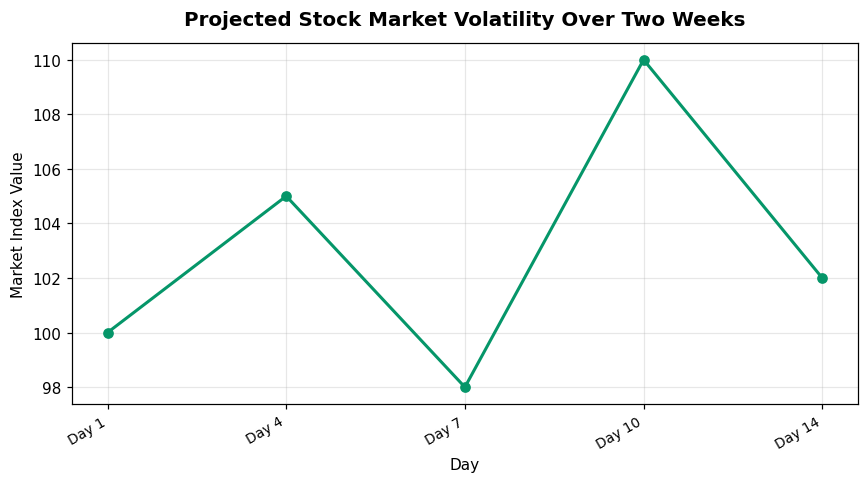
Historically, such periods of predicted volatility have been influenced by a confluence of factors, including earnings reports, economic data releases, and central bank policy announcements. The forthcoming weeks are no exception, with key economic indicators slated for release. These include the latest unemployment figures, inflation data, and potential updates from the Federal Reserve regarding interest rate adjustments. Each of these elements holds the potential to significantly sway market sentiment and, consequently, stock prices.
Key Drivers and Catalysts Behind the Volatility
The real drivers behind this anticipated market turbulence are multi-faceted. Firstly, inflation remains a critical concern. Despite recent efforts by the Federal Reserve to curb inflation through interest rate hikes, the desired stabilization has proven elusive. Persistent inflationary pressures continue to erode purchasing power and influence corporate profit margins, thereby affecting stock valuations.
Geopolitical tensions also add a layer of complexity to the market dynamics. The ongoing conflicts in Eastern Europe and trade disputes involving major economies like the U.S. and China have introduced an element of unpredictability that has often led to market jitters. Investors are increasingly wary of how these geopolitical factors could impact global supply chains and economic growth prospects.
Additionally, corporate earnings reports during this time will provide further clarity on how companies are navigating these challenging conditions. Companies that demonstrate resilience and adaptability in their earnings may bolster investor confidence, while those that falter could exacerbate market volatility. These reports will be closely analyzed for insights into consumer behavior, cost management strategies, and future outlooks.
Broader Economic Context and Implications
Understanding the broader economic context is crucial for interpreting the potential impact of the anticipated market swings. The U.S. economy is currently in a state of flux, balancing on a tightrope between sustained growth and recessionary pressures. This precarious balance is reflected in the stock market’s performance, which has seen periods of robust growth punctuated by sharp declines.
The labor market, a key pillar of economic health, has shown signs of resilience, with unemployment rates remaining relatively low. However, wage growth has not kept pace with inflation, leading to concerns about consumer spending power. As consumer spending accounts for a significant portion of GDP, any sustained decline could have ripple effects across various sectors.
Moreover, the global economic landscape plays a pivotal role in shaping domestic market dynamics. The interconnectedness of global economies means that developments abroad, such as changes in foreign monetary policies or economic slowdowns in major trading partners, can have immediate and significant impacts on U.S. markets.
Concrete Effects on Ordinary Investors
For ordinary investors, the forthcoming market volatility may evoke a mix of caution and opportunity. The potential for sharp declines could trigger anxiety among retail investors, who might fear losses in their portfolios. However, for those with a longer-term investment horizon, such dips can present strategic buying opportunities to acquire stocks at lower valuations.
It’s important for investors to maintain a balanced perspective, recognizing that market fluctuations are part and parcel of investing. Diversification remains a key strategy to mitigate risk, particularly in volatile times. By spreading investments across different asset classes and geographies, investors can better manage potential downturns.
Moreover, understanding one’s risk tolerance and investment goals is crucial in navigating these turbulent waters. Individual investors should conduct thorough research or consult with financial advisors to align their strategies with their financial objectives. This approach can help mitigate panic-driven decisions that could undermine long-term financial health.
What Analysts Are Watching Moving Forward
Looking ahead, analysts will be closely monitoring several variables that could influence market trajectories. Key among these is the Federal Reserve’s monetary policy stance. Any signals from the Fed regarding future interest rate hikes or monetary easing will be scrutinized for implications on borrowing costs, consumer spending, and overall economic growth.
Additionally, geopolitical developments will continue to be a focal point. Analysts will be watching for any resolutions or escalations in global conflicts that could impact market sentiment. Trade negotiations and sanctions could also play a significant role in shaping investor confidence and market stability.
Finally, corporate earnings reports will provide a tangible measure of how businesses are coping with current economic challenges. Analysts will dissect these reports for insights into profitability, revenue growth, and strategic initiatives that companies are undertaking to weather the storm.
In conclusion, while the next two weeks may be marked by volatility, they also present a valuable opportunity for investors to reassess their strategies in light of evolving market conditions. By staying informed and adopting a measured approach, investors can navigate these uncertain times with greater confidence.
Editorial Note: This article was produced with AI assistance and reviewed by the Celloraa editorial team for accuracy and clarity. It is intended for informational purposes only. Read our Editorial Policy.
Leave a Reply