
Photo by Leeloo The First on Pexels
The growing trend of multigenerational living arrangements in the United States is reshaping both family dynamics and financial considerations. With an aging population and increasing healthcare costs, more families are opting to bring elderly parents into their homes, necessitating significant home modifications. This trend, while offering emotional and logistical benefits, carries substantial financial implications.
The Rise of Multigenerational Living
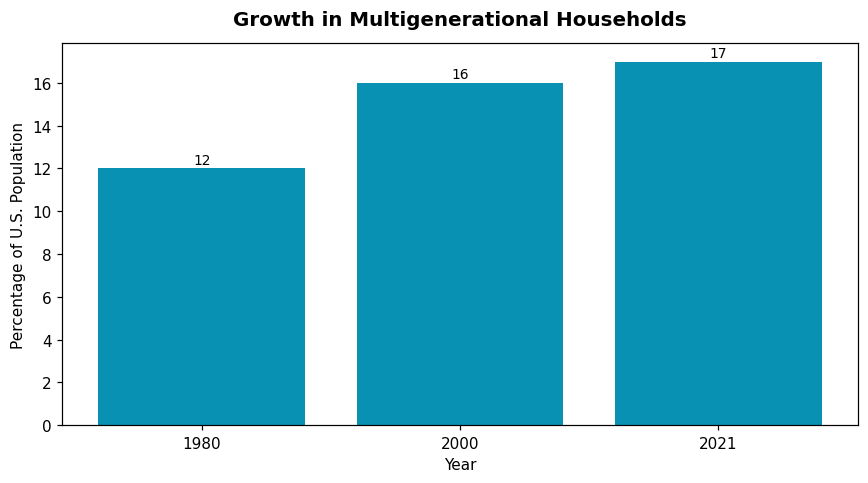
In recent years, multigenerational households have become increasingly common in the U.S. The Pew Research Center reports that as of 2021, 17% of Americans lived in multigenerational households, a substantial increase from just 12% in 1980. This shift is driven by a combination of economic pressures, cultural preferences, and the aging baby boomer generation. For many families, this arrangement provides a viable solution to the high cost of elder care while offering emotional and psychological benefits.
However, accommodating elderly family members often requires home renovations, such as installing ramps, modifying bathrooms, or even adding additional rooms. These upgrades can be costly, with expenses easily reaching six figures, as illustrated by the case of an individual spending $170,000 to upgrade their home for aging parents. The financial burden of such improvements raises the question of whether these costs can be mitigated through tax deductions.
Understanding Tax Deductions for Home Modifications
Under U.S. tax law, certain home modifications may be tax-deductible if they are made for medical reasons. According to the Internal Revenue Service (IRS), modifications that primarily benefit the medical care of a household member can qualify as deductible medical expenses. This includes the cost of removing barriers in the home for a person with disabilities, such as widening doorways or installing ramps.
However, there are specific conditions that must be met for these expenses to be deductible. The modifications must be deemed medically necessary, and the cost must exceed a specific percentage of the taxpayer’s adjusted gross income (AGI). For many, this threshold poses a significant barrier, as only the portion of medical and dental expenses that exceeds 7.5% of the AGI is deductible.
In the case of the $170,000 home upgrade, if at least half of the remodeling cost is to accommodate a disabled parent, then a portion of these expenses might qualify for deductions. It is crucial for taxpayers to maintain detailed records and receipts to substantiate their claims.
Historical Context: Tax Policy and Elder Care
The tax code’s provisions for medical deductions have evolved over the years, reflecting broader shifts in societal values and economic conditions. Historically, the U.S. government has used tax policy to incentivize certain behaviors, such as homeownership or retirement savings. In the context of elder care, these incentives aim to ease the financial burden on families that choose to care for aging relatives at home.
In the early 1980s, tax deductions for medical expenses were limited, making it difficult for families to claim substantial tax relief for home modifications. However, as healthcare costs soared and the population aged, lawmakers gradually expanded the scope of allowable deductions, recognizing the economic and social benefits of supporting family-based elder care solutions.
Despite these changes, the complexity of tax laws and the high AGI threshold continue to limit the accessibility of these deductions for many families. This complexity underscores the importance of consulting with tax professionals to navigate potential deductions effectively.
The Broader Economic Impact of Elder Care
The decision to upgrade a home for elderly care reflects broader economic trends and pressures. As healthcare costs continue to rise, families are increasingly seeking cost-effective solutions to provide care without resorting to expensive nursing homes. This trend has significant economic implications, not only for individual families but also for the housing market and healthcare system.
Increased demand for home modifications can stimulate the construction industry, as families invest in renovations and upgrades. This demand can drive job creation and economic growth in related sectors. Conversely, the financial strain of these renovations can impact household finances, potentially reducing disposable income and affecting consumer spending patterns.
Moreover, the shift towards home-based elder care places additional responsibilities on family members, often requiring them to balance caregiving with professional obligations. This dynamic can affect labor market participation, particularly among women, who statistically bear a larger share of caregiving responsibilities.
Concrete Effects on Ordinary People
For individuals undertaking significant home renovations for elder care, the financial impact is tangible and immediate. The upfront costs of modifications can be daunting, and while potential tax deductions offer some relief, they do not cover the full expense. This reality forces many families to make difficult financial decisions, such as tapping into savings or taking out loans.
Beyond the financial strain, these renovations can also bring about emotional and logistical challenges. Families must navigate the complexities of caregiving, often without professional support, which can lead to stress and burnout. The physical changes to the home environment also require adjustment, as families adapt to new living arrangements and routines.
Despite these challenges, many families find that the benefits of keeping loved ones at home outweigh the costs. The ability to provide personalized care in a familiar environment can enhance the quality of life for elderly family members, offering them dignity and comfort in their later years.
What Analysts Are Watching in Elder Care Policies
As the trend towards multigenerational living and home-based elder care continues, analysts are closely monitoring potential policy changes that could impact families’ financial burdens. Discussions around adjusting the AGI threshold for medical deductions, expanding tax credits for caregiving, or providing direct subsidies for home modifications are ongoing.
Analysts also pay close attention to demographic shifts and their implications for the housing market. As baby boomers age, the demand for accessible homes is expected to rise, influencing housing prices and availability. This demand may spur innovation in home design, with a focus on accessibility and adaptability.
Looking ahead, the interplay between tax policy, healthcare costs, and demographic trends will continue to shape the landscape of elder care in the U.S. As families navigate these challenges, the need for comprehensive policy solutions that address both financial and caregiving needs becomes increasingly apparent.
Editorial Note: This article was produced with AI assistance and reviewed by the Celloraa editorial team for accuracy and clarity. It is intended for informational purposes only.
Read our Editorial Policy.
Leave a Reply