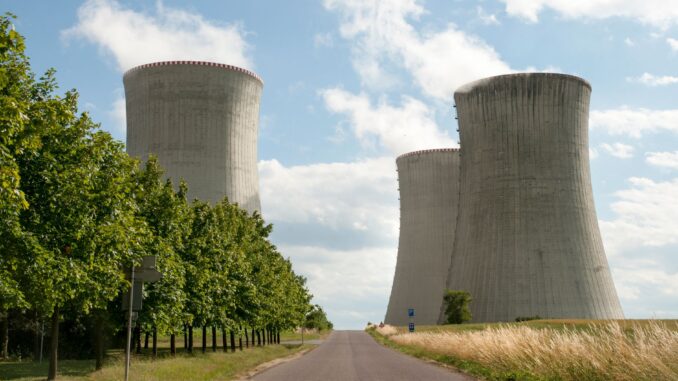
Photo by Vladimír Sládek on Pexels
In a statement that has stirred the global diplomatic community, Iran’s foreign ministry recently declared that no new commitments were made regarding nuclear site inspections following discussions held in Switzerland. This assertion comes in stark contrast to earlier reports suggesting a potential shift in Iran’s stance, leading to renewed scrutiny over its nuclear ambitions.
Reevaluating Assumptions: A Shift in Diplomatic Expectations
For months, international observers have been operating under the assumption that Iran might be on the cusp of allowing increased access to its nuclear facilities. This belief was partly fueled by a series of diplomatic engagements and Iran’s previous tentative openness to dialogue. However, the recent statement from Iran’s foreign ministry has effectively reset these expectations, suggesting that the status quo remains firmly in place.
The initial optimism stemmed from reports indicating that Iran was considering inviting international inspectors back to its nuclear sites. This was seen as a potential breakthrough in the ongoing negotiations aimed at reviving the 2015 Joint Comprehensive Plan of Action (JCPOA), from which the United States unilaterally withdrew in 2018. The significance of this potential development was underscored by the presence of senior diplomats in Switzerland, including Robert Malley, the U.S. Special Envoy for Iran, and Enrique Mora, the European Union’s coordinator for the nuclear talks.
Despite these high-level discussions, Iran’s subsequent denial of any new commitments has cast doubt over the future of nuclear inspections. This development raises questions about the effectiveness of diplomatic channels and the underlying motives driving Iran’s nuclear policy. The statement not only challenges previous assumptions but also complicates the already intricate geopolitical landscape surrounding Iran’s nuclear program.
Historical Context: Echoes of Past Diplomacy
The current situation draws parallels to the diplomatic dynamics of the early 2000s, when Iran’s nuclear program first became a focal point of international concern. During that period, Iran initially agreed to suspend its uranium enrichment activities under the Paris Agreement of 2004, brokered by the EU-3 (France, Germany, and the UK). However, this agreement ultimately unraveled due to mutual distrust and differing interpretations of compliance, leading to a surge in enrichment activities by Iran.
Similar to today, the international community at the time was divided on the best approach to curbing Iran’s nuclear ambitions. The lack of a unified strategy resulted in a patchwork of unilateral and multilateral sanctions, which, while economically debilitating for Iran, failed to produce a lasting resolution. The lessons from this period underscore the challenges of achieving a durable diplomatic solution in the absence of clear commitments and mutual trust.
In light of these historical precedents, the current impasse over nuclear inspections highlights the complexities inherent in negotiating with Iran. The interplay of regional politics, international alliances, and domestic priorities continues to shape Tehran’s approach to its nuclear program, making the path forward fraught with uncertainty.
Key Players and Their Diverging Interests
At the heart of the current diplomatic deadlock are the major stakeholders with vested interests in the outcome of Iran’s nuclear negotiations. On one side stands Iran, whose strategic calculus is driven by a desire for regional influence and economic relief from sanctions. The Iranian government, facing internal pressures from a struggling economy and public discontent, views nuclear capability as both a bargaining chip and a deterrent against foreign intervention.
Conversely, the United States and its European allies seek to limit Iran’s nuclear capabilities to prevent the proliferation of nuclear weapons in the Middle East. The Biden administration has been actively working to restore the JCPOA, seeing it as a pivotal framework for non-proliferation and regional stability. However, the U.S. faces its own set of challenges, including domestic opposition to the deal and the need to reassure regional allies like Israel and Saudi Arabia, who remain skeptical of Iran’s intentions.
Russia and China, both signatories to the JCPOA, have adopted a more nuanced stance. While advocating for diplomatic solutions, they are also keen to expand their influence in the region and safeguard their economic interests in Iran. This complex web of competing interests adds layers of difficulty to the negotiation process, as each player seeks to advance its agenda while managing the broader implications for regional and global security.
Global and Regional Implications
The ramifications of Iran’s stance on nuclear inspections are significant both regionally and globally. In the Middle East, the prospect of a nuclear-capable Iran could trigger a regional arms race, fundamentally altering the security dynamics of the region. Countries such as Saudi Arabia and the United Arab Emirates have already indicated their willingness to pursue their own nuclear capabilities should Iran’s program proceed unchecked.
Globally, the breakdown or stagnation of nuclear negotiations with Iran threatens to undermine international non-proliferation efforts. The credibility of multilateral agreements like the JCPOA is at stake, with potential consequences for other nuclear hotspots such as North Korea. The erosion of trust in diplomatic agreements could lead to a more fragmented and volatile international order, where unilateral actions and regional alliances become the norm.
Furthermore, the current impasse may impact global energy markets, as Iran’s potential return to full oil production is contingent on the lifting of sanctions. The uncertainty surrounding Iran’s nuclear program and its geopolitical reverberations could lead to fluctuations in oil prices, affecting economies worldwide.
What Observers Should Watch Next
In the wake of Iran’s latest statement, informed observers are closely monitoring several key developments that could determine the future course of nuclear diplomacy. First and foremost is the reaction of the United States and its allies. Will they push for renewed negotiations, or will they resort to increased sanctions and diplomatic isolation?
Additionally, the role of regional powers such as Israel and Saudi Arabia will be crucial in shaping the response to Iran’s nuclear activities. Both countries have expressed their willingness to take unilateral action if they perceive an existential threat from Iran. Their actions could escalate tensions and influence the broader geopolitical landscape.
Finally, the internal political dynamics within Iran itself will play a significant role in shaping its nuclear policy. The country’s upcoming elections and potential shifts in leadership could alter the strategic calculus of its government, potentially opening new avenues for dialogue or, conversely, entrenching its current stance.
As the situation continues to evolve, the international community must navigate a precarious landscape of diplomacy, deterrence, and dialogue. The coming months will be critical in determining whether a path forward can be found or if the impasse will deepen, with far-reaching consequences for global security and stability.
Editorial Note: This article was produced with AI assistance and reviewed by the Celloraa editorial team for accuracy and clarity. It is intended for informational purposes only. Read our Editorial Policy.
Leave a Reply