Photo by Sanej Prasad Suwal on Pexels
In a city where the ground was thought to be stable, the recent earthquake in Caracas has upended assumptions about seismic safety in Venezuela’s capital. The tremor, which flattened buildings and left voices trapped beneath the rubble, has not only caused immediate destruction but also triggered a reevaluation of regional preparedness and geopolitical stability.
Challenging Seismic Expectations: The Unforeseen Quake
While Venezuela is no stranger to seismic activity, the magnitude and impact of the recent earthquake in Caracas were unexpected. Historically, the region has experienced minor tremors, but the capital city was considered relatively shielded from major seismic events due to its geographic location. The sudden devastation has prompted a reassessment of urban planning and infrastructure resilience, raising questions about the preparedness of one of Latin America’s most populous cities.
Experts are now scrutinizing the geological assumptions that led to such complacency. Caracas, nestled in a valley surrounded by the coastal mountain range, was thought to be less susceptible to the kind of tectonic activity that affects regions along major fault lines. However, the recent event has highlighted vulnerabilities that were previously underestimated, prompting both local and international experts to call for a comprehensive review of seismic risk assessments and building codes.
Immediate Impact and Human Toll
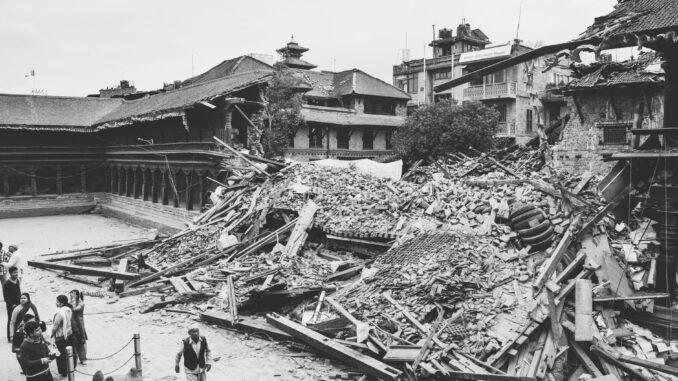
The earthquake’s immediate consequences have been dire. In Caracas, buildings crumbled, and cries for help echoed from beneath the debris, painting a grim picture of the human toll. Emergency services were quickly overwhelmed as they scrambled to rescue those trapped and provide aid to the injured. The response was further complicated by Venezuela’s ongoing economic challenges, which have strained resources and infrastructure.
Amidst the chaos, the resilience of the Venezuelan people has been on display. Communities have rallied together to support one another, sharing scarce supplies and offering shelter to those displaced. Despite the dire circumstances, stories of survival and solidarity have emerged, providing a glimmer of hope in the face of adversity.
Second-Order Effects: Economic and Political Ripples
Beyond the immediate devastation, the earthquake has set off a cascade of second-order effects that could reshape Venezuela’s socio-economic and political landscape. The destruction in Caracas has exacerbated existing challenges, including the country’s economic crisis, characterized by hyperinflation, food shortages, and crumbling infrastructure. The cost of rebuilding will further strain a government already struggling to provide basic services.
Politically, the earthquake could influence the balance of power in Venezuela. With the government’s response under scrutiny, opposition groups may seize the opportunity to criticize inefficiencies and rally support. Internationally, the disaster could shift diplomatic dynamics, as neighboring countries and global powers reassess their involvement and aid strategies in the region. The potential for increased humanitarian aid and international intervention could redefine Venezuela’s foreign relations.
The quake’s impact extends beyond Venezuela’s borders, with regional trade and supply chains facing disruption. The capital’s role as a hub means that logistical challenges could ripple through neighboring countries, affecting everything from commerce to migration patterns.
Historical Context: Lessons from Past Disasters
Venezuela’s experience with natural disasters provides a historical context for understanding the current crisis. The 1999 Vargas tragedy, where landslides caused by torrential rains claimed thousands of lives, serves as a stark reminder of the country’s vulnerability to natural catastrophes. Despite the lessons from past events, systemic issues in governance and infrastructure development have persisted, leaving the nation ill-prepared for large-scale emergencies.
The current earthquake underscores the importance of learning from historical precedents. Analysts are drawing parallels between past and present disasters to advocate for comprehensive policy reforms. Lessons from the 1999 disaster, such as the need for better urban planning and disaster preparedness, remain relevant. Experts argue that addressing these longstanding issues could mitigate the impact of future calamities.
Looking Ahead: What to Watch
In the aftermath of the Caracas earthquake, informed observers are closely monitoring several key developments. One critical area is the government’s response and the allocation of international aid. How effectively the administration manages relief efforts and reconstruction will be pivotal in shaping public perception and political dynamics.
Additionally, the quake’s impact on regional geopolitics is under scrutiny. As Venezuela grapples with this crisis, neighboring countries and international organizations will likely reassess their engagement strategies. The potential for both cooperation and conflict in the region could redefine alliances and influence future policy decisions.
Finally, the earthquake serves as a catalyst for broader discussions about urban resilience and climate adaptation. The global community is increasingly focused on sustainable development and disaster risk reduction. The Caracas quake may prompt renewed efforts to build more resilient cities that can withstand the growing threats posed by climate change and natural disasters.
Editorial Note: This article was produced with AI assistance and reviewed by the Celloraa editorial team for accuracy and clarity. It is intended for informational purposes only. Read our Editorial Policy.
Leave a Reply