
Photo by Genadi Yakovlev on Pexels
In the rapidly evolving world of sports broadcasting, a significant shift is unfolding—a shift that contradicts the long-held belief that television networks were the undisputed gatekeepers of sports content. Today, platforms like TikTok and YouTube are not merely complementing traditional broadcasts; they are redefining the entire landscape of how sports are consumed by fans, especially younger generations.
From Television to TikTok: A Paradigm Shift
For decades, sports viewership was synonymous with television. Major networks held exclusive broadcasting rights, and fans tuned in to catch their favorite teams and athletes in action. However, the rise of digital platforms has upended this paradigm. Younger audiences, particularly those under 30, are increasingly turning to TikTok, YouTube, and other social media platforms for their sports content. This shift is not just about convenience; it’s about a change in how content is consumed—short, engaging, and interactive clips that fit into busy lifestyles.
The allure of platforms like TikTok lies in their ability to deliver bite-sized, engaging content that resonates with the shorter attention spans of younger viewers. Sports highlights, behind-the-scenes footage, and athlete interactions are packaged into digestible formats that are easily shareable and viral. This democratization of content creation and distribution is a stark departure from the traditional model, where networks dictated what fans could see and when.
Market Dynamics: The Changing Landscape
The shift towards digital platforms is reshaping the market dynamics of sports broadcasting. As more fans flock to social media for sports content, advertisers and sponsors are following suit, reallocating budgets to maximize engagement with these audiences. This migration is supported by the data: platforms like TikTok have reported a significant increase in sports-related content consumption, with millions of views on popular sports hashtags and challenges.
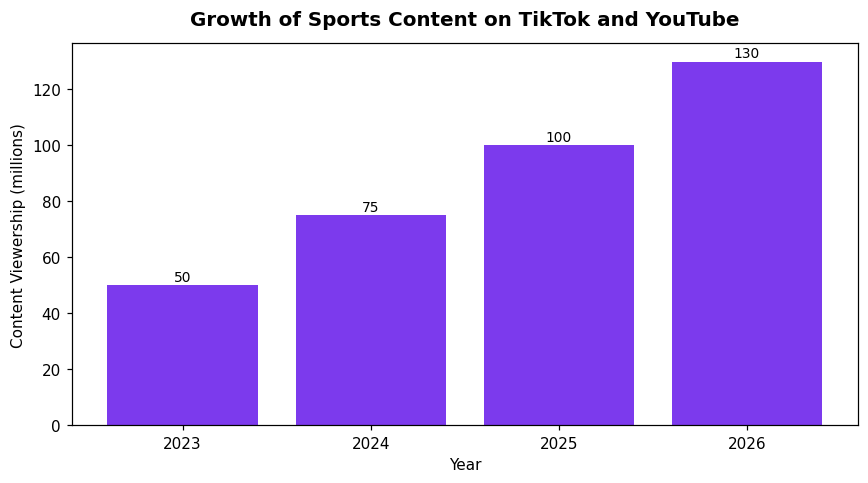
For broadcasters, this shift presents both a challenge and an opportunity. On one hand, they face the risk of losing younger audiences to digital platforms, which could impact ratings and ad revenues. On the other hand, embracing these platforms allows them to reach audiences they might otherwise miss. Some networks have started to integrate social media into their broadcasting strategies, using platforms like YouTube to stream sports events live or offer supplementary content.
Winners and Losers in the New Era
In this new era of sports viewership, the winners are clearly the digital platforms and the younger audiences they cater to. TikTok and YouTube have successfully captured the attention of Generation Z and Millennials, providing them with the content they crave in the formats they prefer. These platforms have become essential tools for leagues, teams, and athletes looking to engage with fans in real-time.
Traditional broadcasters, however, face a more complex situation. While they still hold the rights to live events, the exclusivity that once guaranteed their dominance is being eroded by the rise of digital media. To stay relevant, broadcasters must innovate and adapt. This means leveraging social media to complement their traditional offerings and creating content that is as dynamic and engaging as what digital platforms provide.
What This Means for the Industry
The ongoing transformation of sports viewership signals a broader trend within the media industry—a shift towards digital-first strategies that prioritize flexibility and interactivity. For the sports sector, this means rethinking how content is produced and distributed. It also requires a focus on data analytics to understand viewer preferences and tailor content accordingly.
Moreover, the integration of augmented reality (AR) and virtual reality (VR) into sports content on platforms like TikTok and YouTube is becoming increasingly common. These technologies offer immersive experiences that television simply cannot replicate. As these technologies mature, they will further cement the role of digital platforms in the sports ecosystem.
Looking Forward: The Future of Sports Broadcasting
As we look to the future, the evolution of sports broadcasting will likely continue to be shaped by technological advancements and changing consumer behaviors. Traditional broadcasters will need to embrace digital innovation to remain competitive, potentially forming partnerships with social media platforms to enhance their reach and engagement.
The more significant development here is the potential for new business models to emerge. Subscription-based services, pay-per-view options, and even microtransactions for exclusive content could become more prevalent, offering new revenue streams for both traditional and digital broadcasters.
In conclusion, the reinvention of sports viewership by platforms like TikTok and YouTube is more than a trend; it is a fundamental shift in how audiences engage with sports. This transformation is redefining the rules of the game for broadcasters, advertisers, and fans alike, heralding a new era of interactive, on-demand sports content.
Editorial Note: This article was produced with AI assistance and reviewed by the Celloraa editorial team for accuracy and clarity. It is intended for informational purposes only.
Read our Editorial Policy.
Leave a Reply