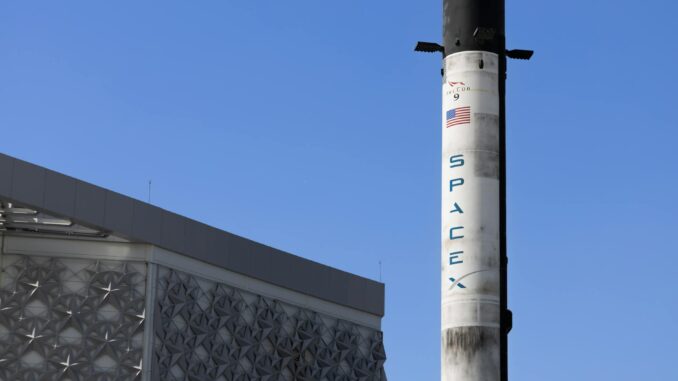
Photo by iCliff Agendia on Pexels
Introduction
Elon Musk, CEO of SpaceX, has publicly stated that the US military’s suicide drones operated using Starlink technology, which he claims is a violation of SpaceX’s operational rules. This revelation, made on May 26, 2026, has ignited a heated debate over the implications of military engagements utilizing commercial technology and the responsibilities of private companies in such scenarios. It also raises fundamental questions about the oversight of defense contractors and the boundaries between civilian and military infrastructure in an era of increasing technological convergence.
While Musk’s comments may appear to be a routine contractual dispute, they touch on deeper tensions: the Pentagon’s growing reliance on commercially developed satellite networks, the challenges of enforcing usage terms in conflict zones, and the ethical dilemmas faced by tech companies whose products become weaponized. This article examines the allegations, the technology at the center of the controversy, and the broader implications for defense policy and corporate governance.
The Starlink–Starshield Distinction
To understand Musk’s concerns, one must first grasp the two services SpaceX offers. Starlink is a broadband satellite internet constellation designed for consumers, businesses, and humanitarian applications. It is subject to standard terms of service that explicitly prohibit use in weapon systems or offensive military operations. Starshield, by contrast, is a dedicated offering for government and defense clients, built on Starlink’s technology but with enhanced security, encryption, and specialized hardware. It is intended for applications such as secure communications, remote sensing, and — crucially — authorized military use.
According to Musk, the drones in question did not utilize Starshield, instead relying on the commercial-grade Starlink service. This distinction matters because it implies the military or its contractors knowingly bypassed SpaceX’s safeguards designed to prevent weaponization of consumer technology. SpaceX’s Starshield page explicitly states the service “provides unparalleled protection and reliability for the most demanding missions,” underscoring that ordinary Starlink is not meant for such roles. (SpaceX Starshield overview)
Musk’s Specific Allegations and Timeline
Musk’s comments, delivered during a public event or social media post (typically the medium for his policy announcements), pinpointed the use of Starlink by “suicide drones” — a term commonly used for loitering munitions or one-way attack UAVs. He stated that the drones were operated by the US military, not by allied forces, and that the blame rests squarely on military contractors who integrated the service without proper authorization.
The timing of the statement — May 26, 2026 — is significant. By mid-2026, Starlink had become a critical communications backbone for both civilian and military users in numerous conflict zones. SpaceX had previously restricted Starlink coverage over contested areas to prevent its use in offensive operations, as seen during the war in Ukraine. The new allegations suggest that despite these restrictions, ground-level contractors found ways to use the commercial service for drone control, potentially violating both contractual terms and SpaceX’s self-imposed ethical boundaries.
This situation echoes past incidents. In 2022–2023, SpaceX imposed geofencing on Starlink terminals in Ukraine to stop them from being used for long-range drone strikes. At the time, Musk argued that Starlink was not intended as a weapon and that its use in such operations could escalate conflicts. The 2026 allegations indicate that similar concerns persist even with domestic military customers.
Accountability in Defense Contracting
Musk placed the blame on military contractors rather than on the Pentagon itself. This accusation opens up a crucial conversation about accountability in the defense sector, particularly as it relates to private companies supplying critical technology. Military contractors — large firms like Lockheed Martin, Northrop Grumman, and smaller integrators — often operate in complex environments where the lines between commercial and military applications can blur. In many cases, they purchase off-the-shelf technology and integrate it into weapons systems without fully consulting the original provider.
If Musk’s claim is accurate, it suggests a systemic failure: contractors either misinterpreted the terms of service or deliberately ignored them to meet operational requirements. This raises legal and ethical questions. For SpaceX, the unauthorized use could expose the company to liability if Starlink malfunctions during a mission or if adversaries trace attacks back to the network. For the contractors, a breach of contract could lead to termination of service, financial penalties, or loss of future access to SpaceX systems.
The episode also highlights a broader gap in oversight. The Department of Defense has long relied on commercial technology to reduce costs and accelerate deployment, but the speed of procurement often outstrips the creation of clear usage rules. A 2023 report by the Government Accountability Office (GAO) noted that the military’s integration of commercial satellite communications lacked standardized policies for vetting compliance with provider terms. Musk’s allegations may pressure Congress and the Pentagon to tighten these regulations.
Broader Implications for Commercial Tech in Warfare
The use of commercial technology in military operations is not new — from GPS signals to cloud computing, militaries routinely adapt civilian tools. However, Musk’s claims specifically highlight the responsibilities of companies like SpaceX in regulating the use of their technology. Unlike traditional defense contractors, companies like SpaceX operate a global infrastructure that serves both civilians and militaries, forcing them to become de facto gatekeepers of their own networks.
As military operations increasingly rely on advanced technologies — including satellite internet, AI-based targeting, and autonomous drones — the partnerships between private companies and government entities will face increased scrutiny. This issue becomes even more pressing as geopolitical tensions rise and the demand for innovative military solutions grows. The ability of a single private CEO to restrict military access to a satellite network — as Musk did in Ukraine — demonstrates the immense power these companies wield. The 2026 allegations suggest that power cuts both ways: the military can also subvert a company’s policies.
This case also resonates with other sectors. For instance, Google’s new developer verification system, implemented in 2026, aims to prevent misuse of Android services by bad actors. Similarly, SpaceX must now consider how to enforce its terms of service in real time — a task far harder in the physical world of satellites than in the digital app store. The defense industry might need to adopt similar verification protocols for hardware integration. (Read more about Google’s verification changes)
What Comes Next
Musk’s allegations could have significant ramifications for SpaceX and its future dealings with military organizations. If the accusations are substantiated, it could lead to a reevaluation of contracts and operational guidelines between private tech firms and the military. SpaceX may strengthen its geofencing or require that all military clients use Starshield, effectively creating a permanent technological firewall between its consumer and defense products.
Moreover, this situation may prompt regulators to consider stricter oversight of how commercial technologies are employed in military applications. The Federal Communications Commission (FCC) or the Department of Commerce could impose new license conditions on satellite operators, while the Pentagon might establish a formal compliance office for contractor use of commercial space services. The same week as Musk’s statement, NASA terminated a $1.1 billion contract with Northrop Grumman for a lunar habitat module — a reminder that even the most established defense players face cancellation over performance issues. A similar dynamic could unfold here if SpaceX decides to suspend service for noncompliant end users.
For the broader tech industry, this episode serves as a cautionary tale. Companies that build dual-use infrastructure must proactively design governance systems that separate commercial and military use, or risk being dragged into controversies that harm their brand and legal standing. Conversely, the military must respect the terms of service it agrees to, or risk losing access to critical capabilities.
Conclusion
The conversation initiated by Musk’s statements is likely to continue as stakeholders in both the defense and technology sectors assess the implications of using commercial technology for military operations. How SpaceX and military contractors respond to these allegations may shape the future of partnerships in this rapidly evolving landscape. At stake is not just one company’s contract, but the trust that underpins the entire system of public–private collaboration in modern warfare.
As the lines between civilian and military technology continue to blur, establishing clear boundaries, robust enforcement mechanisms, and shared accountability will be crucial for both sectors. The Starlink–drone incident may well become a case study in the need for better governance of space-based infrastructure — a lesson that extends well beyond any single executive’s tweet.
Editorial Note: This article was produced with AI assistance and reviewed by the Celloraa editorial team for accuracy and clarity. It is intended for informational purposes only.
Read our Editorial Policy.
Leave a Reply