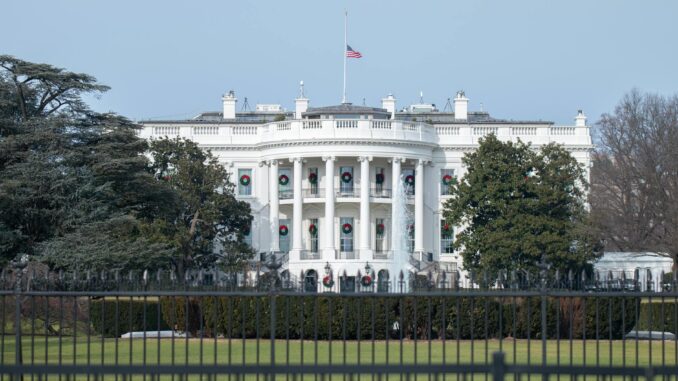
Photo by Sachith Ravishka Kodikara on Pexels
What Happened
On June 5, 2026, President Trump announced a significant investment of $700 million aimed at boosting the coal industry in the United States. This decision comes in response to escalating energy costs spurred by the ongoing conflict in Iran, which has disrupted global energy supplies. The announcement was made public during a press briefing at the White House, where Trump emphasized the necessity of energy independence and the importance of bolstering domestic energy production to shield American consumers from rising prices.
This investment will be directed towards modernizing existing coal facilities and expanding production capabilities. The initiative is positioned as part of a broader strategy to ensure that American households are not adversely affected by international tensions that can lead to price fluctuations in energy markets. The president framed this move as a critical step to maintain affordable energy access for all Americans, amidst a backdrop of increasing geopolitical instability.
The Political and Policy Landscape
The announcement of this coal investment comes at a politically sensitive time in the United States. The ongoing Iran conflict has not only raised energy costs but also intensified discussions about energy policy and national security. Traditionally, coal has faced significant opposition from environmental advocates and many policymakers who favor renewable energy sources. However, with energy prices soaring, Trump’s administration is doubling down on fossil fuels, viewing them as a necessary component of energy security.
This investment utilizes authorities granted under the Defense Production Act, which allows the government to direct resources in times of national emergency. Given the war’s implications for energy stability, the administration argues that such measures are justified. This strategic pivot towards coal may also serve to rally support among constituencies in coal-rich states, where the industry remains a critical source of employment and economic stability.
How This Affects Americans
For the average American, the implications of this coal investment could be significant. Rising energy costs have a direct impact on household budgets, as families grapple with increasing utility bills and fuel prices. By targeting the coal industry, the administration aims to stabilize prices and provide some relief to consumers. The expectation is that increased domestic coal production will lead to a more favorable energy market, potentially mitigating the worst effects of the inflation seen in energy prices.
Moreover, this move may also influence the broader conversation around energy independence in the U.S. Supporters of the investment argue that it will reduce reliance on foreign energy sources, particularly from volatile regions, thereby enhancing national security. Critics, on the other hand, caution that doubling down on coal could hinder progress towards a more sustainable energy future, potentially locking the country into fossil fuel dependence at a time when renewable energy technologies are advancing rapidly.
Reactions and Responses
The announcement has elicited a mixed bag of responses from various stakeholders. Supporters, including many coal industry leaders and workers, see this as a much-needed boost for a sector that has struggled in recent years due to regulatory pressures and competition from cheaper natural gas and renewables. They argue that this investment will create jobs and revive communities that have been economically impacted by the decline of coal.
Conversely, environmental organizations and some political opponents have voiced their concerns regarding the sustainability of such investments. Critics argue that prioritizing coal undermines efforts to transition to cleaner energy sources, potentially exacerbating environmental issues like air pollution and climate change. The Biden administration and various state leaders have vowed to continue advocating for a green transition, indicating that the debate over energy policy will remain a contentious issue in American politics.
What Comes Next
Looking ahead, the impact of this $700 million investment in coal will be closely monitored by both supporters and opponents. The effectiveness of this initiative in reducing energy costs for American consumers will be a key metric of its success. Additionally, the political ramifications are likely to unfold as the 2026 midterm elections approach, with candidates using energy policy to galvanize their bases.
Furthermore, as global energy markets remain in flux due to the ongoing conflict in Iran, the administration’s ability to navigate these challenges while maintaining domestic energy security will be crucial. The discourse surrounding energy independence, environmental policies, and economic stability will continue to evolve, shaping the political landscape in the months to come. As citizens watch how these policies play out, the long-term implications for both the coal industry and the broader energy market will become clearer.
Editorial Note: This article was produced with AI assistance and reviewed by the Celloraa editorial team for accuracy and clarity. It is intended for informational purposes only. Read our Editorial Policy.
Leave a Reply