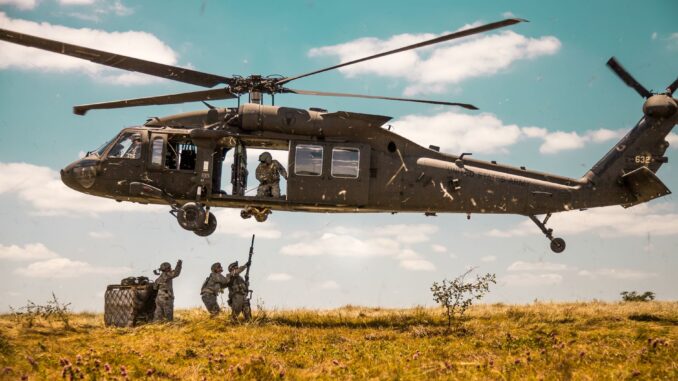
Photo by Art Guzman on Pexels
Background & Context
The conflict in Myanmar, which has escalated since the military coup in February 2021, has deep historical roots. The military junta, known as the Tatmadaw, seized power from the democratically elected government, leading to widespread protests and a brutal crackdown on dissent. Many ethnic armed groups, long marginalized in Myanmar’s political landscape, saw this as an opportunity to intensify their struggles for autonomy and rights. These groups have been fighting for decades, often in response to the military’s oppressive tactics.
The political turmoil has resulted in a complex civil war, with various factions vying for control over territory and influence. The National Unity Government (NUG), formed by ousted lawmakers, has sought support from these ethnic militias, framing the fight as a unified struggle against the oppressive military regime. The international community has watched closely, with sanctions imposed on the junta by Western nations, while regional powers maintain a more cautious approach, balancing their interests in Myanmar against human rights concerns.
Key Developments
Recent reports indicate that rebel groups in Myanmar are facing significant challenges as military forces bolster their ranks. As of June 2026, the Tatmadaw has ramped up its recruitment efforts, deploying thousands of young men into the army. This influx of personnel has shifted the balance on the battlefield, leading to losses for the rebel factions, which are struggling to maintain their territorial claims and operational capabilities.
The BBC’s coverage reveals frontline encounters between rebel forces and the military, illustrating the stark realities of the ongoing conflict. The rebels, who once enjoyed some territorial control, are now having to engage in increasingly desperate defensive maneuvers. The narrative highlights how the military’s enhanced manpower is playing a crucial role in reclaiming lost ground, significantly altering the strategic landscape of the civil war.
Global Implications
The situation in Myanmar reverberates beyond its borders, impacting regional stability and international relations. The struggle between the military and various rebel factions underscores the fragility of governance in Southeast Asia, raising concerns for neighboring countries about the potential for spillover effects, including refugee crises and increased cross-border violence. Countries like Thailand, which share borders with Myanmar, are particularly susceptible to these developments, as they must navigate the complexities of humanitarian aid and security.
Moreover, the military’s actions have attracted criticism from global human rights organizations and have led to a re-evaluation of diplomatic relationships with Myanmar. While Western nations have largely condemned the junta’s actions, countries in the region, such as China and India, have adopted a more nuanced approach. Their investments and interests in Myanmar complicate the international response, as they seek to balance humanitarian concerns with strategic partnerships.
What Experts Are Saying
Experts on Myanmar’s political landscape emphasize the urgent need for a cohesive international strategy to address the unfolding crisis. Analysts argue that the increasing recruitment by the military points to a long-term commitment to quelling dissent, potentially leading to a protracted conflict that could draw in external actors. The lack of a unified opposition among the rebel factions, coupled with the military’s growing capabilities, complicates the prospect for a peaceful resolution.
Moreover, some commentators highlight the importance of considering the humanitarian implications of the conflict. The intensification of violence has resulted in a humanitarian crisis, with millions displaced and in need of assistance. The potential for international organizations to intervene is hampered by the military’s stance and the challenging logistical environment. Experts call for a renewed focus on diplomatic efforts that prioritize human rights and conflict resolution, emphasizing that neglecting Myanmar could exacerbate regional instability.
What This Means for Readers
For readers, the developments in Myanmar serve as a reminder of the intricate dynamics of civil wars and international diplomacy. The shifting fortunes of rebel groups against a reinvigorated military illustrate the complexities of armed conflict, where local struggles can have significant global ramifications. Understanding the historical context of Myanmar’s conflict helps to appreciate the challenges faced by both the military and the rebel factions.
As the situation evolves, it is essential for the international community to remain engaged and to consider the implications of its responses. The potential for further escalation in violence poses threats not only to the people of Myanmar but also to regional stability. Observers should closely watch upcoming diplomatic efforts and humanitarian initiatives aimed at addressing the crisis, as well as the responses from key regional players like China and India.
In conclusion, as the conflict unfolds, the geopolitical landscape in Southeast Asia may shift, demanding attention and proactive engagement from global leaders. The resilience of the Myanmar people and the determination of the military will shape not only the future of the country but could also have wider implications for democratic movements in the region.
Editorial Note: This article was produced with AI assistance and reviewed by the Celloraa editorial team for accuracy and clarity. It is intended for informational purposes only. Read our Editorial Policy.
Leave a Reply