
Photo by El gringo photo on Pexels
Canada’s national soccer team is set to make its debut on home turf during the upcoming World Cup, a momentous occasion that has ignited a national fervor. Yet, for many Canadians, the excitement is tinged with complexity. With deep-rooted multicultural ties, a significant portion of the fan base finds themselves in a dilemma, wondering if cheering for more than one team is an act of divided loyalty or a celebration of diverse heritage.
Canada’s World Cup Debut: A Historic Moment
The anticipation surrounding Canada’s participation in the World Cup is palpable. For a country that has long been a spectator rather than a participant in the global football narrative, hosting the tournament marks a pivotal point in Canadian sports history. This event is more than just a series of matches; it represents an opportunity for Canada to showcase its growing soccer culture and infrastructure on an international stage.
While Canada is not traditionally known as a soccer powerhouse, the sport has seen a surge in popularity, particularly among younger generations. The Canadian team’s presence in the World Cup serves as both an inspiration and a testament to the evolving landscape of sports in the nation. Yet, the challenge remains: can Canada galvanize a unified national support amidst its diverse demographic fabric?
The Cultural Tapestry of Canadian Fans
Canada’s identity is deeply intertwined with its multicultural composition. According to the 2021 Canadian census, over 20% of the population is foreign-born, with significant communities from countries where soccer reigns supreme. This cultural mosaic means that many Canadian fans have familial or ancestral ties to other participating nations. The question of allegiance becomes more than just a matter of sports; it is a reflection of personal identity and heritage.
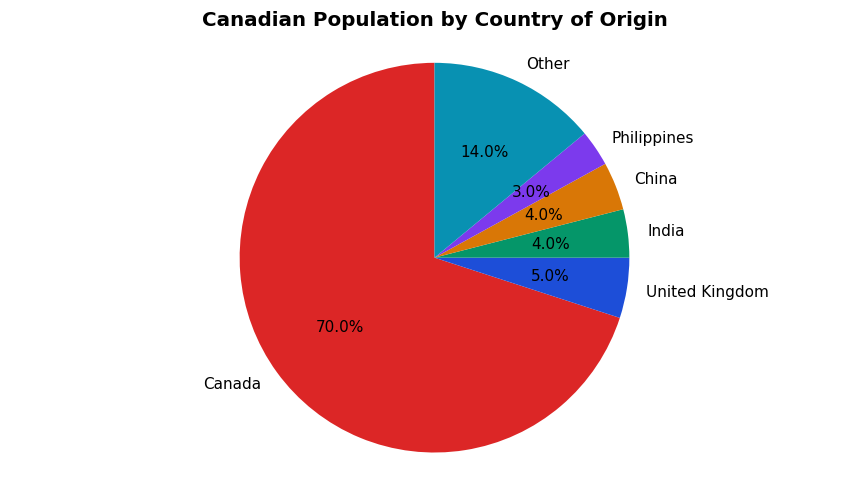
For some, supporting multiple teams is a natural expression of their dual identities. For others, it raises questions about loyalty and national pride. The debate is evident in social media discussions and community gatherings, where fans openly share their internal conflicts about whether to cheer for Canada, their ancestral country, or both. This phenomenon is not unique to Canada, but the country’s unique demographic composition makes it particularly pronounced.
The Impact on Canadian Society
Beyond the pitch, the World Cup’s implications for Canadian society are profound. The event has the potential to foster national unity by rallying diverse communities around a common cause. However, it also highlights the ongoing conversation about what it means to be Canadian in a multicultural society. This discourse is crucial in a nation that prides itself on inclusivity yet grapples with the realities of cultural integration.
The tournament may also have economic ripple effects, from increased tourism to potential boosts in local businesses catering to the influx of international fans. The long-term impact on youth sports participation could be significant, as young Canadians are inspired by the global spectacle unfolding in their backyard.
Stakeholder Reactions: A Spectrum of Views
Reactions from stakeholders across the spectrum underscore the diversity of opinions on this issue. Canadian Soccer Association officials emphasize the unifying potential of the tournament, urging fans to support the national team as a symbol of Canadian pride and progress. Meanwhile, cultural organizations encourage fans to embrace their multifaceted identities, viewing the World Cup as an opportunity to celebrate cultural heritage and global connectivity.
Media coverage reflects this dichotomy, with some outlets highlighting the stories of fans who have chosen to support multiple teams and others focusing on the patriotic fervor surrounding Canada’s matches. The conversation extends to sports analysts and commentators, who debate the implications of divided loyalties on the development of a cohesive Canadian soccer identity.
Looking Ahead: The Future of Canadian Soccer
As the World Cup draws near, the focus will inevitably shift towards the performance of the Canadian team and the legacy the tournament will leave behind. The more significant development here is the potential for soccer to become a more entrenched part of Canada’s sporting culture. The tournament presents an opportunity to cultivate a new generation of fans and players who view soccer as an integral part of Canadian life.
Ultimately, the World Cup is a reminder that sports can be a powerful catalyst for dialogue and change. For Canadians, it is an invitation to engage with questions of identity, belonging, and community in a way that transcends the boundaries of the field. As Canada takes its place on the world stage, the lessons learned and connections forged during this tournament will shape the nation’s sporting and cultural landscape for years to come.
Editorial Note: This article was produced with AI assistance and reviewed by the Celloraa editorial team for accuracy and clarity. It is intended for informational purposes only.
Read our Editorial Policy.
Leave a Reply