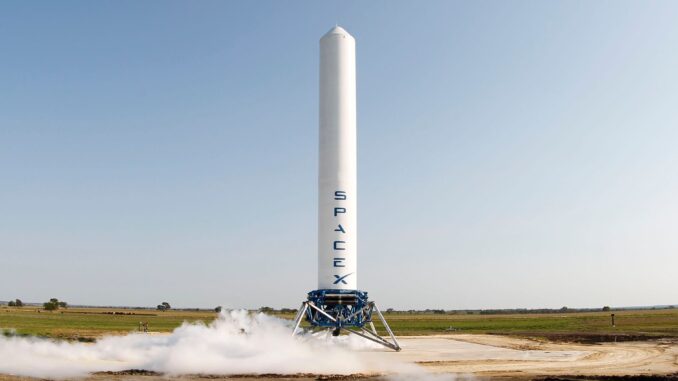
In a world where technology titans increasingly shape the global economy, the staggering rise of Elon Musk to trillionaire status marks another milestone in the ongoing transformation of markets by private sector pioneers. Musk’s journey underscores a broader trend where visionary leaders leverage cutting-edge technologies to redefine entire industries, from aerospace to artificial intelligence.
SpaceX’s Stock Market Debut: A Financial Rocket Launch
Elon Musk’s SpaceX made a thunderous debut on the Nasdaq stock exchange, achieving a staggering valuation of $2.2 trillion. This monumental event not only marks SpaceX as one of the most valuable companies in history but also cements Musk’s status as the world’s first trillionaire. The company’s valuation is a testament to its successful innovation in reusable rocket technology and artificial intelligence, both of which have disrupted traditional aerospace paradigms.
SpaceX’s listing follows years of anticipation and speculation about its market potential. The company has consistently set ambitious goals, such as reducing the cost of space travel and colonizing Mars, which have captivated investors and the public alike. The stock market debut aligns with a broader trend of tech companies achieving eye-watering valuations, reflecting both investor optimism and the increasing importance of technological advancements in the global economy.
Market and Industry Context: The New Space Race
SpaceX’s entry into the stock market is not just a financial achievement; it is a crucial data point in the ongoing ‘new space race.’ This modern competition is less about geopolitical dominance and more about commercial and technological supremacy. Companies like SpaceX are leading the charge in making space more accessible, with implications for industries ranging from telecommunications to Earth observation.
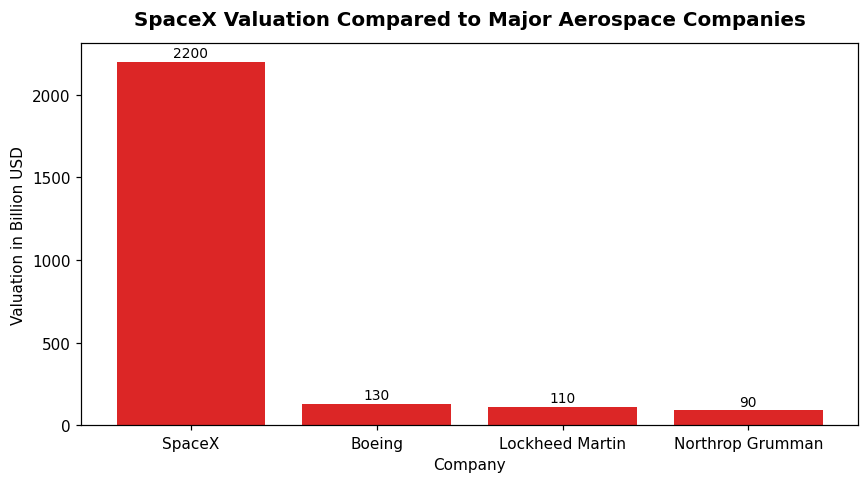
Investors are betting on SpaceX’s ability to maintain its competitive edge in an increasingly crowded market. The company’s focus on innovation, particularly in developing reusable rockets, has significantly reduced launch costs, setting a new industry standard. This technological leap has not only redefined cost structures but also opened new opportunities for commercial space ventures.
NASA and other traditional players must now adapt to a landscape where private companies drive much of the innovation and exploration. This shift signals a potential reallocation of government resources towards partnerships with private enterprises, fostering a more collaborative approach to space exploration.
Winners and Losers in the SpaceX Surge
The rise of SpaceX presents a complex tableau of winners and losers. On one hand, early investors and stakeholders in SpaceX are poised to reap substantial financial rewards. These gains are a direct result of the company’s ability to innovate and execute at scale, attracting both institutional and retail investors eager to capitalize on the space economy’s growth potential.
Conversely, traditional aerospace companies may find themselves at a disadvantage. Firms that have long relied on government contracts and conventional technologies face increased pressure to innovate or risk obsolescence. This dynamic is likely to spur a wave of mergers and acquisitions as legacy companies seek to acquire the technological capabilities necessary to compete in this new era.
Implications for the Tech and Aerospace Sectors
SpaceX’s market debut and Musk’s rise to trillionaire status signal profound shifts within the tech and aerospace sectors. The company’s success underscores the increasing interdependence of these industries, with advances in artificial intelligence playing a critical role in optimizing space travel and exploration.
This development raises questions about the future balance between public and private interests in space. As private companies gain more influence, there is a need for regulatory frameworks that ensure equitable access to space’s resources and benefits. Additionally, the focus on AI and automation in aerospace could lead to significant economic disruptions, particularly in labor markets, as traditional roles are redefined or rendered obsolete.
The Broader Economic Picture: A Catalyst for Change
SpaceX’s successful market launch illustrates the broader economic trend of technology-driven disruption. The company’s achievements highlight how innovation can catalyze growth, attract investment, and reshape industries. This dynamic is evident not only in aerospace but also in sectors like automotive, where Musk’s Tesla has similarly upended traditional business models.
For global economies, the rise of companies like SpaceX offers both challenges and opportunities. Policymakers must navigate the complexities of fostering innovation while managing the socioeconomic impacts of technological change. The balance between supporting cutting-edge advancements and ensuring broad-based economic benefits will be crucial in the coming years.
As SpaceX continues its trajectory, the implications for global industries and economies will be profound. Its success may inspire new generations of entrepreneurs to pursue bold visions, further accelerating the pace of change. The challenge lies in harnessing this momentum to build a future that benefits all.
Editorial Note: This article was produced with AI assistance and reviewed by the Celloraa editorial team for accuracy and clarity. It is intended for informational purposes only. Read our Editorial Policy.
Leave a Reply