
The Human Stakes of Musk’s Trillionaire Status
As Elon Musk ascends to become the world’s first trillionaire, the implications stretch far beyond the zeros in his bank account. His rise is emblematic of transformative shifts in the global economy where technology moguls wield influence rivaling nation-states. Musk’s wealth, underpinned by companies like Tesla and SpaceX, does not merely signify personal success; it represents a paradigm shift in economic power dynamics. For many, his fortune represents the pinnacle of innovation-driven wealth. For others, it highlights growing inequality, prompting critical discussions about wealth distribution, societal priorities, and the role of technology in modern life.
The human stakes are profound. Musk’s influence extends into multiple sectors from aerospace to renewable energy, impacting millions of jobs and steering the direction of future technologies. His wealth accumulation raises questions about the distribution of economic gains in a tech-dominated era, a topic resonating with policymakers and citizens alike. As technology continues to permeate every aspect of society, the concentration of wealth in the hands of a few can have substantial socio-economic and political ramifications, potentially exacerbating existing inequalities.
The Market Dynamics Behind the Wealth Surge
Musk’s staggering wealth can be attributed primarily to the soaring valuations of Tesla and SpaceX. Tesla’s stock, which has appreciated significantly over the past few years, demonstrates investor confidence in electric vehicles and sustainable energy. This confidence is not misplaced; the shift towards electric vehicles is not merely a trend but a fundamental change in consumer preferences and regulatory landscapes. As governments worldwide impose stricter emission regulations, the demand for sustainable transportation solutions increases, benefiting companies like Tesla.
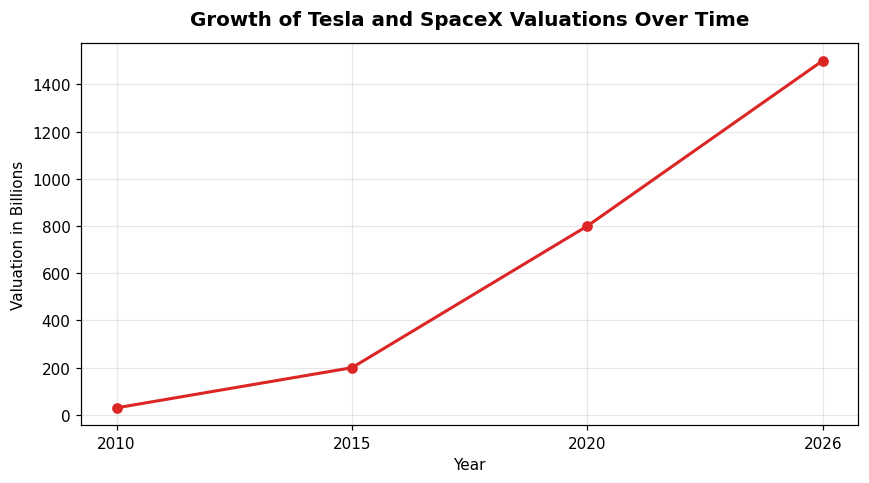
SpaceX, on the other hand, is pioneering the commercialization of space travel, a sector once dominated by government agencies. The company’s accomplishments, such as launching the first private crewed spacecraft, have set new benchmarks for space exploration, attracting substantial investment and interest. The potential for space tourism and the prospect of colonizing other planets have captivated the imagination of investors and the public alike, driving further growth.
Beneficiaries and Those Left Behind
The beneficiaries of Musk’s rise are multifaceted. Investors who backed Tesla and SpaceX early on have seen unprecedented returns, reaping the benefits of their foresight and risk tolerance. Employees at these companies benefit from stock options and the prestige of working at cutting-edge enterprises. Moreover, consumers gain from the technological advancements these companies drive, enjoying more sustainable and innovative products that enhance daily life.
However, there are those who feel left behind. Traditional automotive manufacturers, slow to adopt electric technologies, are scrambling to catch up. This shift has forced them to innovate rapidly or risk obsolescence, a challenge that places significant strain on resources and workforce. Employees in fossil fuel industries face job insecurity as the world pivots towards sustainable energy. This transition requires significant retraining and support to ensure workers can find employment in the emerging green economy. Political and economic leaders grapple with the implications of concentrated wealth and the potential for increased socio-economic disparity, necessitating thoughtful policy responses.
Further insights into industry shifts can be gleaned from similar dynamics in other sectors, such as the strategic alliances formed between companies like General Motors and Lockheed Martin, which illustrate how traditional industries adapt to new technological landscapes. (Read more)
A Signal for the Sector’s Future
Musk’s trillionaire status sends a clear signal about the future direction of the tech and automotive sectors. It underscores the growing importance of sustainability and innovation as key drivers of economic success. As industries evolve, companies that fail to adapt may find themselves obsolete. This evolution necessitates a reevaluation of regulatory frameworks to ensure fair competition and equitable growth. Policymakers are tasked with the challenge of balancing innovation with inclusivity, ensuring that technological advancements benefit a broad spectrum of society.
The broader economic picture hints at a future where technology and innovation are paramount. This shift is not only about technological advancement but also about strategic positioning within the global market. Companies and countries that can effectively leverage these trends will likely lead the next wave of economic growth. Policymakers must craft strategies that encourage innovation while promoting inclusivity, ensuring that the benefits of technological progress are widely shared.
Informed Perspectives on the Trillionaire Milestone
Industry experts offer varying perspectives on Musk’s achievement. Some view it as a validation of the power of innovation-driven capitalism, emphasizing the positive impacts on technological advancement and job creation. Others caution against the risks of wealth concentration and the socio-political ramifications it entails. The debate centers on how best to harness such wealth and influence for the greater good, with initiatives that promote equitable access to education and technology being essential.
Organizations and governments must consider how to harness such wealth and influence for the greater good. Initiatives that promote equitable access to education and technology could mitigate some of the inequalities exacerbated by rapid wealth accumulation. Thought leaders advocate for a balanced approach that encourages innovation while safeguarding societal welfare. The journey from entrepreneur to trillionaire offers lessons in resilience, vision, and the complex interplay of technology and society.
As Elon Musk continues to shape the contours of the future, the road ahead will demand not just technological prowess but also ethical stewardship and inclusive growth strategies. The challenge lies in creating a framework that supports innovation while ensuring that its benefits are equitably distributed across society.
Editorial Note: This article was produced with AI assistance and reviewed by the Celloraa editorial team for accuracy and clarity. It is intended for informational purposes only.
Read our Editorial Policy.
Leave a Reply