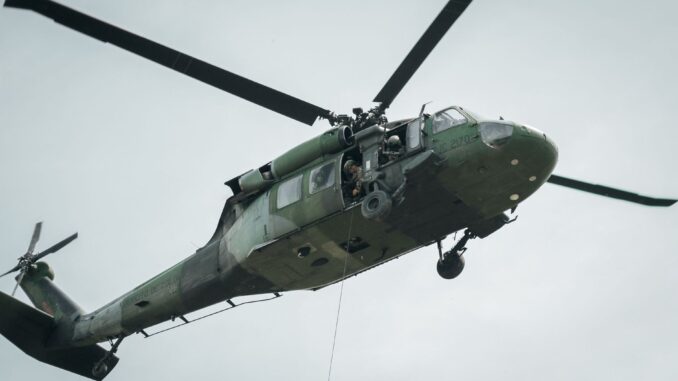
Photo by Danilo Arenas on Pexels
For years, Taiwan’s defense strategy was largely assumed to revolve around traditional military assets like fighter jets and naval ships, with a focus on deterring Chinese aggression through conventional means. However, recent developments indicate a significant pivot: Taiwan is ramping up its production of drones, signaling a strategic shift that could alter the balance of power in East Asia and beyond.
Drone Development: A Strategic Pivot
Historically, Taiwan’s defense posture has been reactive, centered on deterring potential Chinese invasions through conventional military might. But as technology evolves and geopolitical dynamics shift, Taiwan’s strategy is adapting. The announcement of increased drone production is not just a tactical adjustment; it represents a broader strategic realignment towards asymmetric warfare capabilities. Drones offer flexibility, cost-efficiency, and the ability to gather intelligence and perform reconnaissance—key advantages in an era where information dominance can outweigh sheer firepower.
These drones, which are being developed for both domestic defense and export to allies including the United States, are designed to enhance Taiwan’s ability to surveil and respond quickly to threats. Their deployment could provide Taiwan with a critical edge in maintaining situational awareness and operational readiness in the face of potential Chinese incursions.
How Drones Work: A Simplified Overview
To understand the significance of Taiwan’s drone initiative, it’s important to grasp how these unmanned aerial vehicles (UAVs) function. Modern drones are equipped with advanced sensors, cameras, and sometimes weaponry, allowing them to perform tasks ranging from aerial surveillance to precision strikes. They can be remotely piloted or operate autonomously based on pre-programmed routes and objectives.
What sets Taiwan’s drones apart is their integration of cutting-edge AI technology, which enhances their ability to process data in real time and adapt to changing conditions. This autonomy can reduce the time from threat detection to response, a critical factor in modern combat scenarios. Moreover, their smaller size compared to traditional aircraft makes them harder to detect and intercept, adding a layer of stealth to Taiwan’s defensive capabilities.
Impact on Taiwan and Its Allies
The expansion of Taiwan’s drone capabilities has implications not only for its own defense strategy but also for its international relationships. By supplying drones to the United States military, Taiwan strengthens its ties with a key ally, reinforcing the security architecture that aims to counterbalance China’s growing influence in the region. This move could also stimulate Taiwan’s economy by opening up new avenues for defense exports, positioning the island as a significant player in the global arms market.
For the United States, sourcing drones from Taiwan may provide a strategic advantage. It diversifies supply chains and enhances the interoperability of allied forces, ensuring that they can operate seamlessly in joint operations. This interoperability is crucial in scenarios where rapid, coordinated responses are required to address regional threats.
Industry Context: Global Drone Market Dynamics
Taiwan’s entry into the drone market comes at a time when global demand for UAVs is skyrocketing. According to a BBC report, the military drone market is projected to grow significantly over the next decade, driven by advancements in AI and increasing geopolitical tensions. Taiwan’s technological prowess and strategic alliances position it well to capitalize on this trend.
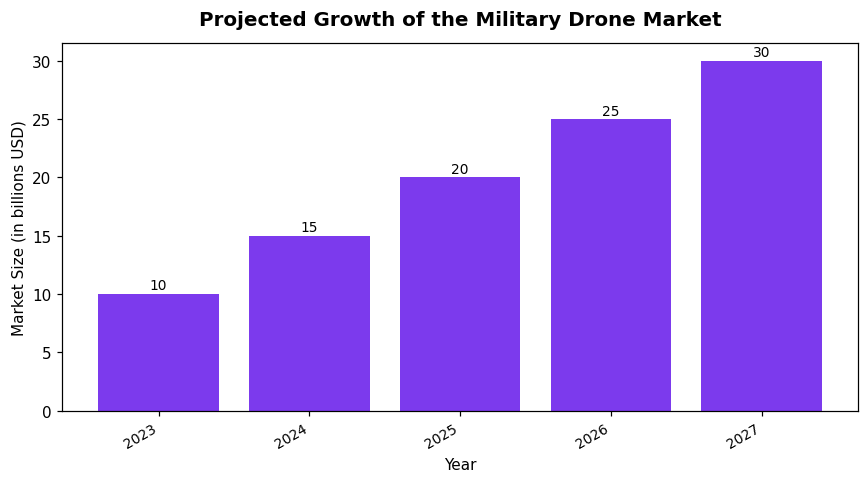
However, Taiwan faces stiff competition from established drone manufacturers in the United States, Israel, and China. Each of these countries has invested heavily in developing sophisticated UAVs with varying capabilities. Taiwan’s challenge will be to carve out a niche within this competitive landscape, leveraging its unique geopolitical position and technological expertise to offer solutions that meet the specific needs of its allies.
Privacy, Ethics, and Economic Implications
The widespread adoption of drones raises important questions about privacy and ethics. As these UAVs become more prevalent, there is growing concern about their potential misuse in surveillance operations, both domestically and internationally. Taiwan will need to navigate these ethical considerations carefully, ensuring that its drone policies adhere to international norms and respect individual privacy rights.
Economically, the drone initiative represents a significant investment in Taiwan’s defense industry. It could lead to job creation and technological innovation, spurring economic growth. However, there is also the risk of escalating tensions with China, which may view Taiwan’s bolstered drone capabilities as a provocation. This could impact Taiwan’s economic relations with its largest trading partner, necessitating a delicate balance between defense imperatives and economic interests.
The Road Ahead: Strategic Implications
The strategic shift towards drone production marks a new chapter in Taiwan’s defense policy, with far-reaching implications for regional security and global markets. While it enhances Taiwan’s defensive posture, it also underscores the island’s resolve to assert its sovereignty and independence amidst growing pressure from China.
Looking ahead, Taiwan’s success in this endeavor will depend on its ability to innovate continuously and respond to emerging threats. The island’s focus on drones could serve as a blueprint for other nations facing similar security challenges, highlighting the importance of technology in modern defense strategies. As Taiwan navigates this complex landscape, its actions will undoubtedly influence the broader geopolitical dynamics in East Asia and beyond.
Editorial Note: This article was produced with AI assistance and reviewed by the Celloraa editorial team for accuracy and clarity. It is intended for informational purposes only.
Read our Editorial Policy.
Leave a Reply