
In a move that underscores the ongoing tension between corporate leadership incentives and shareholder value, Ryanair has extended CEO Michael O’Leary’s contract until 2032. This extension is accompanied by a bonus scheme that could see O’Leary earn more than €150 million, contingent upon the airline hitting certain performance targets. This development raises questions about the alignment of executive compensation with company success, particularly in an industry grappling with fluctuating costs and shifting consumer demands.
Financial Incentives and Strategic Goals
Ryanair’s decision to offer a substantial bonus package to O’Leary is emblematic of a broader strategy to retain top leadership talent amidst a competitive airline industry. The proposed financial incentives are tied to specific operational and financial targets, including passenger growth, profit margins, and stock performance. These targets are designed to ensure that O’Leary’s personal financial success is directly linked to the company’s overall performance, a common practice in corporate governance aimed at aligning executive interests with those of shareholders.
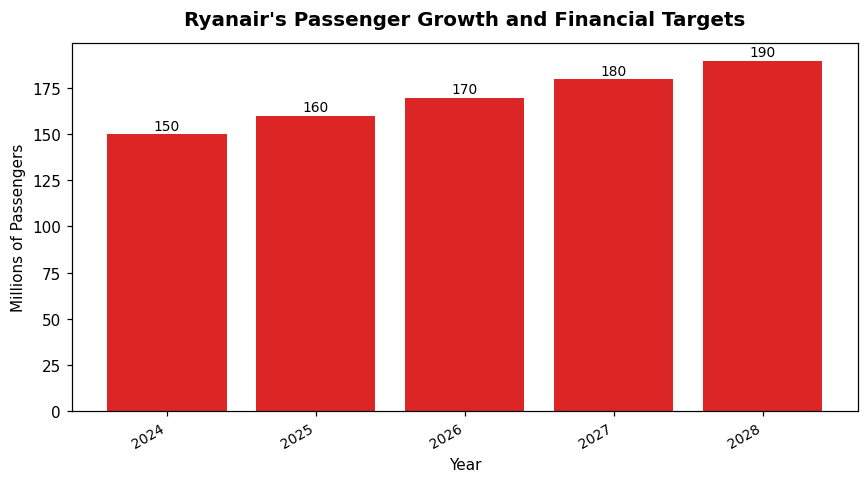
The airline industry is notorious for its razor-thin margins and high operating costs, making effective leadership a critical component of any airline’s success. By securing O’Leary’s leadership for the next several years, Ryanair aims to capitalize on his experience and strategic vision, which have been credited with transforming the airline into Europe’s largest low-cost carrier.
Market and Industry Context
Ryanair’s decision comes at a time when the airline industry is navigating a complex landscape characterized by fluctuating fuel prices, regulatory changes, and an increasingly environmentally conscious consumer base. The company has consistently emphasized efficiency and cost control, which have become even more critical as the industry faces pressure to reduce carbon emissions and adapt to new environmental regulations.
Moreover, the competitive dynamics within the aviation sector are intensifying, with both legacy carriers and low-cost airlines vying for market share. Ryanair’s ability to maintain low fares while expanding its route network relies heavily on strategic decisions at the leadership level. O’Leary’s track record of aggressive cost-cutting and innovative marketing tactics has positioned Ryanair as a formidable player in this competitive environment.
Who Stands to Gain and Lose
The extension of O’Leary’s contract is likely to be well-received by Ryanair’s investors, who have witnessed significant returns under his stewardship. However, the substantial bonus scheme may raise concerns among stakeholders about income inequality and the broader implications of executive pay structures.
Employees and unions may also have mixed reactions. While strong leadership can drive company growth and job security, the disparity between executive compensation and average employee wages can exacerbate tensions within the workforce. Unions representing Ryanair employees have previously clashed with management over working conditions and pay, suggesting that this development could further complicate labor relations.
Implications for the Aviation Sector
Ryanair’s move to lock in O’Leary’s leadership with a lucrative contract sets a precedent for executive compensation in the aviation sector. It signals to competitors that retaining top talent may require similarly aggressive financial packages, potentially driving up costs across the industry.
This development also highlights the ongoing debate about the effectiveness of performance-linked compensation. While proponents argue that such schemes drive executive performance and company success, critics contend that they can incentivize short-term decision-making at the expense of long-term sustainability.
Future Outlook and Strategic Considerations
As Ryanair looks to the future, O’Leary’s leadership will be crucial in navigating the challenges and opportunities that lie ahead. The airline’s commitment to expanding its route network while maintaining low costs will require innovative strategies and a keen understanding of market dynamics. Additionally, addressing environmental concerns and adapting to regulatory changes will be key priorities for Ryanair and the broader aviation industry.
Ultimately, the extension of O’Leary’s contract reflects Ryanair’s confidence in his ability to steer the company through a rapidly evolving landscape. However, the success of this strategy will depend on the airline’s ability to balance short-term financial goals with long-term sustainability and stakeholder engagement. As the industry continues to transform, Ryanair’s approach to leadership and compensation will serve as a barometer for the sector’s broader trajectory.
Editorial Note: This article was produced with AI assistance and reviewed by the Celloraa editorial team for accuracy and clarity. It is intended for informational purposes only.
Read our Editorial Policy.
Leave a Reply