
Photo by www.kaboompics.com on Pexels
In a surprising turn of events, FedEx Corporation reported robust earnings for its fiscal fourth quarter, defying market expectations. This performance, however, marks a pivotal moment as it is the last quarter that includes FedEx’s freight business before its planned spin-off. The logistics giant’s results not only underscore the strength of its operations but also raise questions about the future impact of its strategic reorientation.
Strong Performance in a Transitional Quarter
FedEx’s latest earnings report revealed a strong finish to the fiscal year, with freight operations contributing significantly to the company’s bottom line. This success comes at a time when the logistics industry is grappling with global supply chain disruptions and fluctuating demand patterns. Analysts had anticipated a more muted performance given the sector’s challenges, yet FedEx managed to outperform expectations.
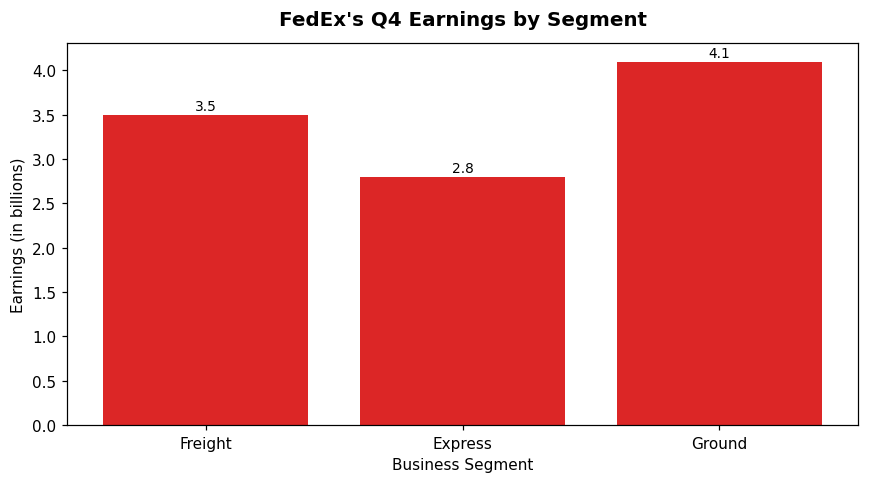
The freight division, which has been a cornerstone of FedEx’s operations, reported increased shipment volumes and higher yields. This indicates not only operational efficiency but also effective cost management strategies implemented by the company. The robust freight performance can be attributed to strategic enhancements in route optimization and investments in technology that have improved delivery times and reduced operational costs.
As FedEx prepares to spin off its freight division, this strong performance serves as a solid foundation for both entities moving forward. The spin-off is expected to allow each segment to sharpen its focus and allocate resources more efficiently, potentially unlocking value for shareholders.
Understanding the Freight Division Spin-Off
For many casual observers, the decision to spin off a profitable segment might seem counterintuitive. However, FedEx’s move is part of a broader strategy to streamline operations and enhance shareholder value. By separating the freight division, FedEx aims to create a more agile and focused organization that can better respond to market dynamics.
The freight spin-off is designed to allow the new entity to pursue growth opportunities independently, without being overshadowed by FedEx’s broader logistics and delivery operations. This separation is expected to provide both companies with the flexibility to tailor strategies that align closely with their respective market demands and operational strengths.
Industry experts suggest that the spin-off could lead to enhanced operational efficiencies and innovation within the freight sector. By focusing resources exclusively on freight logistics, the new entity may be able to implement cutting-edge technologies and processes that could revolutionize the way goods are transported and delivered.
Winners and Losers in FedEx’s Strategic Shift
The spin-off of the freight division is poised to create a new landscape of winners and losers within the logistics industry. Shareholders could potentially see gains as both the parent company and the newly independent freight entity are expected to pursue strategies that maximize profitability and growth.
For employees, the spin-off could bring about changes in corporate culture and operational practices. While this may create uncertainty in the short term, it also presents opportunities for career advancement and specialization within each organization.
Competitors, on the other hand, may face increased pressure as the streamlined FedEx and its freight counterpart leverage their newfound focus to capture market share. Companies that have traditionally competed with FedEx in the freight sector should prepare for intensified competition, as the newly independent entity seeks to establish itself as a leader in the industry.
Implications for the Broader Logistics Sector
FedEx’s strategic reorientation holds significant implications for the logistics sector as a whole. By spinning off its freight division, FedEx signals a shift towards specialization and efficiency that could set a precedent for other logistics companies. This move highlights the growing importance of agility and adaptability in an industry that is increasingly shaped by technological advancements and changing consumer expectations.
As FedEx and its freight spin-off embark on their respective journeys, the logistics sector may witness a wave of similar restructurings as companies strive to optimize operations and capitalize on niche markets. This trend could lead to increased innovation and collaboration across the industry, ultimately benefiting consumers through improved service offerings and competitive pricing.
Moreover, the focus on technological integration within the freight sector could accelerate the adoption of automation and data analytics, driving efficiency and reducing costs. This technological evolution may redefine the logistics landscape, offering new opportunities for growth and transformation.
The Road Ahead: Strategic Insights and Future Prospects
Looking ahead, FedEx’s decision to spin off its freight division represents a calculated bet on the future of the logistics industry. The separation allows each entity to pursue strategies that are closely aligned with their core competencies and market opportunities. For FedEx, this means focusing on its core package delivery services, while the freight entity can dedicate resources to enhancing its logistics capabilities.
The success of this strategic shift will depend on how effectively each company can execute its respective vision. FedEx’s ability to adapt to evolving market conditions and leverage its global network will be critical in maintaining its competitive edge. Simultaneously, the freight spin-off must capitalize on its newfound independence to drive innovation and capture market share in a rapidly changing industry.
Ultimately, FedEx’s bold move could serve as a blueprint for other companies seeking to navigate the complexities of the modern logistics landscape. As the industry continues to evolve, those that embrace strategic transformation and technological integration will be well-positioned to thrive in the years to come.
Editorial Note: This article was produced with AI assistance and reviewed by the Celloraa editorial team for accuracy and clarity. It is intended for informational purposes only.
Read our Editorial Policy.
Leave a Reply