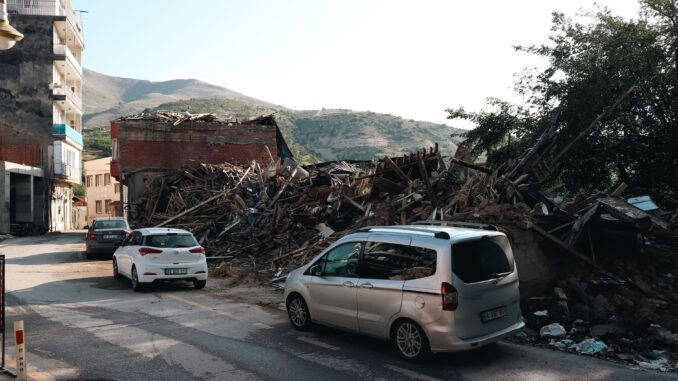
Photo by Serkan Gönültaş on Pexels
On June 25, 2026, Venezuela faced a devastating double blow as twin earthquakes struck a nation already teetering on the edge of political upheaval and economic instability. These seismic events have arrived at a particularly precarious time, shattering assumptions about the country’s trajectory following the recent dramatic removal of its controversial leader, Nicolás Maduro, by U.S. forces.
Shifting Political Landscape: From Maduro’s Ouster to Natural Disaster
Just six months ago, the sudden capture of Nicolás Maduro marked a pivotal moment in Venezuelan history. Maduro, whose presidency had been marred by allegations of human rights abuses and economic mismanagement, was seized by U.S. forces, a move that was both condemned and celebrated across the globe. This unexpected intervention left a power vacuum, leading to a period of uncertainty as interim leadership struggled to stabilize the country.
The seismic events have compounded this instability, presenting challenges that the interim government is ill-prepared to handle. The twin earthquakes, occurring just days apart, have devastated infrastructure, displaced thousands, and strained a government already grappling with economic sanctions and political disarray. Emergency response efforts are being overshadowed by the pressing need for international aid and the complexities of managing internal power dynamics.
Key Stakeholders: Differing Perspectives and Interests
The aftermath of Maduro’s removal has seen a reshuffling of key players, each with competing interests that complicate Venezuela’s recovery. The interim government, led by figures from the opposition, is focused on gaining legitimacy both domestically and internationally. Its primary challenge is to stabilize the economy, which is in a state of freefall, and provide basic services, a task now made herculean by the recent natural disasters.
Meanwhile, the United States, having played a decisive role in Maduro’s ouster, seeks to influence the political transition favorably. Washington’s involvement is driven by a desire to curb authoritarianism and promote democracy in the hemisphere, though critics argue that its motives are also tied to strategic economic interests, particularly regarding Venezuela’s vast oil reserves.
On the other hand, regional powers such as Brazil and Colombia, while supportive of a democratic transition, are wary of the potential for increased refugee flows and instability spilling over their borders. Their primary interest lies in a stable Venezuela that can contribute positively to regional economic and political stability.
Global and Regional Implications of the Twin Quakes
The earthquakes have intensified the humanitarian crisis in Venezuela, prompting a greater international response. The United Nations and various non-governmental organizations are mobilizing to provide immediate relief, but long-term reconstruction will require substantial investment and coordination.
This situation poses significant implications for regional geopolitics. The increased need for humanitarian aid may lead to strengthened alliances, but also risks heightening tensions if aid delivery becomes politicized. The disaster response is an opportunity for neighboring countries to demonstrate solidarity, potentially reshaping regional relationships.
Globally, the crisis highlights the vulnerability of countries undergoing political transitions to natural disasters. It underscores the need for comprehensive international frameworks that can address both political and environmental crises simultaneously, ensuring that nations have the support necessary to rebuild sustainably.
Historical Context: Parallels and Precedents
Venezuela’s current trials echo historical precedents where natural disasters have intersected with political instability. The 2010 Haiti earthquake, which struck amid a politically fragile period, serves as a cautionary tale of how inadequate preparedness and international coordination can exacerbate suffering.
Similarly, the 2005 Kashmir earthquake in Pakistan demonstrated the potential for disasters to serve as a catalyst for political change, as international aid efforts necessitated cooperation among contentious political factions. In both cases, the lessons learned emphasize the importance of integrating disaster preparedness into the governance framework of politically unstable regions.
For Venezuela, these historical insights could inform current strategies, suggesting a need to prioritize resilient infrastructure and governance reforms that can withstand both political and environmental shocks.
What Informed Observers Should Watch Next
The situation in Venezuela remains fluid, with several potential developments that observers should monitor closely. First, the effectiveness of the interim government’s response to the earthquakes will be a crucial test of its legitimacy and capability. The ability to coordinate international aid and manage internal resources will determine its future political viability.
Additionally, the role of external actors, particularly the United States and regional powers, will influence Venezuela’s trajectory. Their involvement could either stabilize the situation or exacerbate existing tensions, depending on how they navigate the complex web of interests involved.
Finally, the broader implications for regional stability and international norms regarding intervention in sovereign nations remain significant. Observers should watch for shifts in diplomatic relations and potential changes in international policy frameworks that might arise from this crisis.
Editorial Note: This article was produced with AI assistance and reviewed by the Celloraa editorial team for accuracy and clarity. It is intended for informational purposes only. Read our Editorial Policy.
Leave a Reply