
Tech Stocks Slide as Market Winds Shift
On Tuesday, the S&P 500 saw several of its tech constituents tumble, reflecting broader market jitters that have rippled through the industry. This decline is significant not just in numbers, but in what it signals about the evolving market dynamics. While tech stocks have been the market darlings throughout 2026, leading to impressive year-to-date gains, this latest downturn underscores the volatility inherent in their valuations. Investors are grappling with a blend of high valuations, macroeconomic uncertainties, and shifting consumer behaviors, creating a complex web of pressures that have led to notable declines in several tech giants.
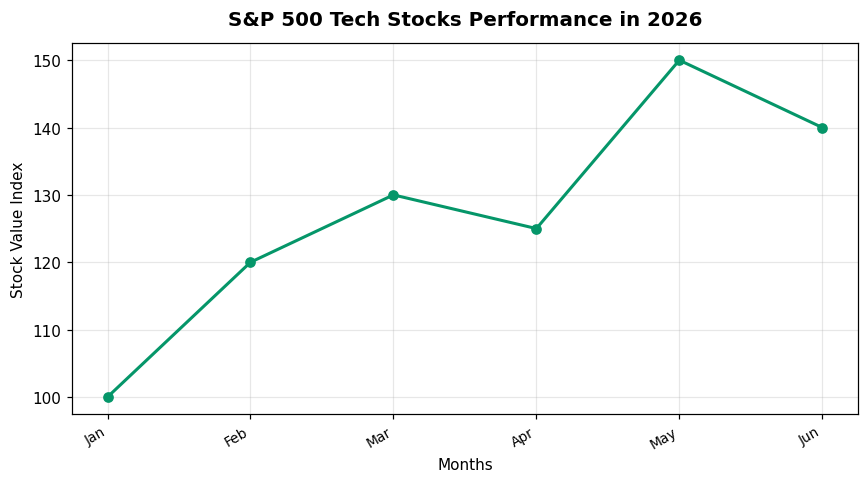
Despite the day’s losses, it’s worth noting that many of these stocks remain significantly up for the year. This highlights a broader narrative of resilience and the inherent risk of short-term fluctuations overshadowing long-term growth trajectories. However, the immediate drop in stock prices reflects a recalibration of investor expectations, driven by concerns over interest rate hikes and global economic slowdowns. This recalibration is not happening in isolation but is part of a larger market correction phase, which is essential for maintaining a sustainable growth trajectory.
Factors Driving the Decline in Tech Valuations
Several key factors contributed to the decline in tech stocks on Tuesday. First and foremost is the rising interest rate environment, which poses a significant challenge for tech companies that rely heavily on borrowing to finance rapid growth and innovation. As borrowing costs increase, the cost-benefit analysis of investing in future growth becomes more complex. This is particularly true for smaller tech firms or those with less established financial foundations.
Additionally, global supply chain disruptions continue to exert pressure on tech companies. While the industry has shown remarkable adaptability, these disruptions have led to increased costs and delays in product rollouts, which directly impact earnings. Furthermore, geopolitical tensions, particularly involving major tech markets like China and the United States, have exacerbated these supply chain issues, leading to uncertainties that weigh heavily on investor sentiment.
Economic Backdrop: A Complex Landscape
The broader economic context adds another layer of complexity to the current tech stock downturn. Inflation remains a persistent concern, affecting consumer purchasing power and business operating costs. The Federal Reserve’s monetary policy, aimed at curbing inflation, has resulted in higher interest rates, which not only affect corporate borrowing but also consumer credit. This double-edged sword impacts both demand and supply-side dynamics.
Globally, economic slowdowns in key markets such as Europe and Asia further complicate the outlook for tech companies, many of which rely on international sales for a significant portion of their revenue. The interconnected nature of today’s global economy means that economic troubles in one region can quickly spill over into others, creating a domino effect that tech companies are particularly sensitive to. This interdependence underscores the challenges of predicting precise market movements, as external shocks can quickly alter the landscape.
Impact on Consumers and the Real Economy
While stock market fluctuations often seem removed from the everyday lives of ordinary people, the ripple effects can be profound. For one, the tech sector’s performance influences pension funds and retirement accounts, which are heavily invested in these stocks. A downturn in tech stocks can lead to lower growth in these funds, affecting retirees’ incomes and future financial planning for many individuals.
Moreover, the tech industry is a significant employer, and prolonged market pressures can lead to cost-cutting measures, including layoffs or hiring freezes. This can have a direct impact on employment rates and consumer spending, potentially slowing economic growth further. As companies reassess their growth strategies, innovations that could benefit consumers might also be delayed or scaled back, impacting everything from consumer electronics to digital services.
Analysts’ Outlook: Navigating Uncertain Waters
Analysts are closely watching several indicators to gauge the future trajectory of tech stocks. Key among them is the Federal Reserve’s policy moves and their impact on interest rates. Any signals of easing or tightening could significantly impact market sentiment. Additionally, corporate earnings reports in the coming quarters will be scrutinized for signs of how companies are managing current challenges.
Investors and analysts are also keeping an eye on global geopolitical developments, particularly those affecting trade relations and supply chains. The tech sector’s heavy reliance on global supply chains means that any disruption can have outsized effects on production and profitability. Thus, the resolution of such tensions, or lack thereof, will play a crucial role in determining market stability.
As the tech sector navigates these choppy waters, the ability of companies to adapt to changing circumstances will be critical. Flexibility in operations, strategic investments in innovation, and prudent financial management will distinguish those poised for future success from those that may struggle to keep pace.
Editorial Note: This article was produced with AI assistance and reviewed by the Celloraa editorial team for accuracy and clarity. It is intended for informational purposes only.
Read our Editorial Policy.
Leave a Reply