
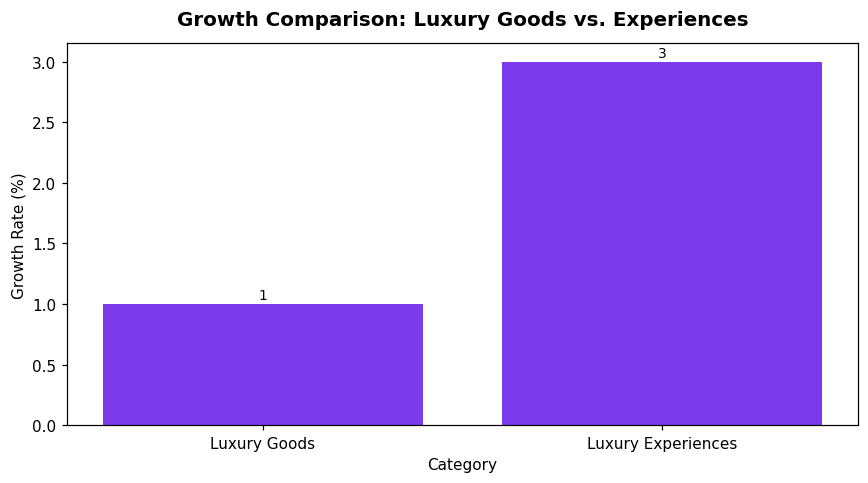
In a pivotal shift within the luxury market, consumer spending is increasingly being driven by experiences rather than traditional luxury goods. According to a recent report, while luxury goods sales are projected to grow modestly between 1% and 4% this year, spending on luxury experiences is expected to soar between 3% and 7%. This trend highlights a significant evolution in consumer behavior, with profound implications for the luxury sector at large.
The Rise of Inheritourism
At the heart of this shift lies the trend known as ‘inheritourism’, a term coined to describe the phenomenon where affluent individuals seek to create lasting memories through travel and experiences that echo their heritage or personal legacy. This trend taps into a deeper emotional connection than purchasing material goods, offering a narrative that resonates with consumers’ desires for authenticity and meaningful experiences.
Inheritourism is particularly appealing to younger generations, who prioritize experiences over possessions. This demographic shift is reshaping the luxury market, compelling brands to innovate and offer more personalized, curated experiences. This includes bespoke travel itineraries, exclusive access to cultural events, and immersive heritage tours that promise not only luxury but also a sense of identity and continuity.
Market Dynamics and Industry Context
This growing emphasis on experiential luxury is not occurring in a vacuum. The broader market dynamics reveal a world increasingly oriented towards personalization and bespoke offerings. The traditional markers of luxury, such as branded handbags and watches, while still significant, are no longer the sole drivers of consumer interest. Instead, there is a notable pivot towards services that offer unique, one-of-a-kind experiences.
Luxury conglomerates are responding by investing heavily in service-oriented offerings. For example, LVMH’s acquisition of luxury travel brands and partnerships with fine dining establishments underscore this strategic realignment. The industry is witnessing a blending of sectors, where hospitality, travel, and traditional luxury converge to meet the changing demands of the affluent consumer.
Winners and Losers in the Luxury Market
As with any significant market shift, there are clear winners and losers. Companies that have quickly adapted to the experiential trend are reaping the rewards. Brands that offer exclusive travel experiences or have diversified their portfolios to include lifestyle services are seeing significant growth.
Conversely, brands that remain heavily reliant on traditional luxury goods sales are facing challenges. The stagnation in the growth of physical luxury goods highlights the need for these brands to innovate and expand their offerings. Failure to adapt could result in declining market share as consumers increasingly favor spending on experiences that provide deeper fulfillment.
Implications for the Luxury Sector
The shift towards experiential luxury signals a broader change in sector dynamics. It reflects a move away from conspicuous consumption towards a more nuanced understanding of luxury, one that values experiences over possession. This evolution is likely to influence not only marketing strategies but also the very definition of luxury itself.
The implications extend beyond individual companies to the industry as a whole. As luxury brands diversify, they are likely to explore new partnerships and collaborations, blending high-end products with exclusive services. This trend could lead to innovative business models that redefine luxury in the 21st century.
Looking Ahead: The Future of Luxury
The luxury market’s pivot towards experiences and inheritourism is more than a fleeting trend; it signifies a fundamental shift in consumer values and spending habits. As consumers continue to seek authenticity and personal connection, the luxury sector will need to evolve, offering products and services that cater to these desires.
Forward-thinking brands that embrace this shift will likely lead the market, setting new standards for luxury that are both inclusive and expansive. The future of luxury lies in its ability to adapt to these changing preferences, ensuring that it remains relevant and desirable in an ever-evolving global landscape.
Editorial Note: This article was produced with AI assistance and reviewed by the Celloraa editorial team for accuracy and clarity. It is intended for informational purposes only.
Read our Editorial Policy.
Leave a Reply